Show summary Hide summary
- Private capital and the reshaping of local sports
- How much do families actually spend?
- What that spending buys — and whether it’s worth it
- Physical and mental toll on children
- Why rec programs are fading
- Can parents push back? Collective choices matter
- A working model: community-based hockey in Minnesota
Youth sports have quietly transformed into a costly, business-driven world where families often feel forced to pay large sums to keep their children on a field or rink. Once a mostly community-based pastime, organized youth athletics now frequently come bundled with mandatory fees, branded gear, travel expenses, and subscription-style services. The result: many parents are stretched financially and kids are pushed into intense, year-round competition far earlier than experts recommend.
Private capital and the reshaping of local sports
Over the past decade, investors have identified youth sports as a growth market. Rather than simply running a single league, companies buy into multiple parts of the youth-sports supply chain. That strategy multiplies revenue streams.
Nas slams music industry over disrespect: teases new music, vows to address it
1992 vocal performances: 3 jaw-dropping moments that still amaze

- Leagues and tournaments
- Uniform and equipment providers
- Scheduling and stats apps
- Photography and video packages
- Hotel and travel partners
This “roll-up” approach locks families into a network of required purchases. Parents may be told not to film games, then offered a paid package of photos and highlights. They may be steered toward specific hotels for weekend events. Those touchpoints add up into a full pay-to-play ecosystem.
How much do families actually spend?
Costs vary wildly by sport, location, and level. But many parents report bills far beyond community league fees.
Typical ranges parents describe
- Average family spending: roughly $1,000 per year
- Common travel-club seasons: $3,000 to $10,000 per season
- High-end cases: $25,000 or more annually for some sports
These figures include registration, travel, private coaching, gear, and tournament fees. Some families take on extra work or launch fundraisers to cover costs. Others tap crowdsourcing platforms to pay for a single season.
What that spending buys — and whether it’s worth it
Parents often believe premium programs will give their child a better chance to advance. But the benefits are mixed.
- More practice time and private coaching
- Exposure to scouts and higher-level competition
- Marketing and media exposure for players
At the same time, many families feel pressured to join early. Community programs now sometimes end by fourth grade. Travel teams hold tryouts for very young athletes. The pressure to “get in” at kindergarten or first grade has become real.
This early funneling restricts choice and raises the stakes for children who are still exploring what they enjoy.
Physical and mental toll on children
Recreation coaches and medical experts warn about the risks of early specialization. Kids who train year-round in one sport face unique threats.
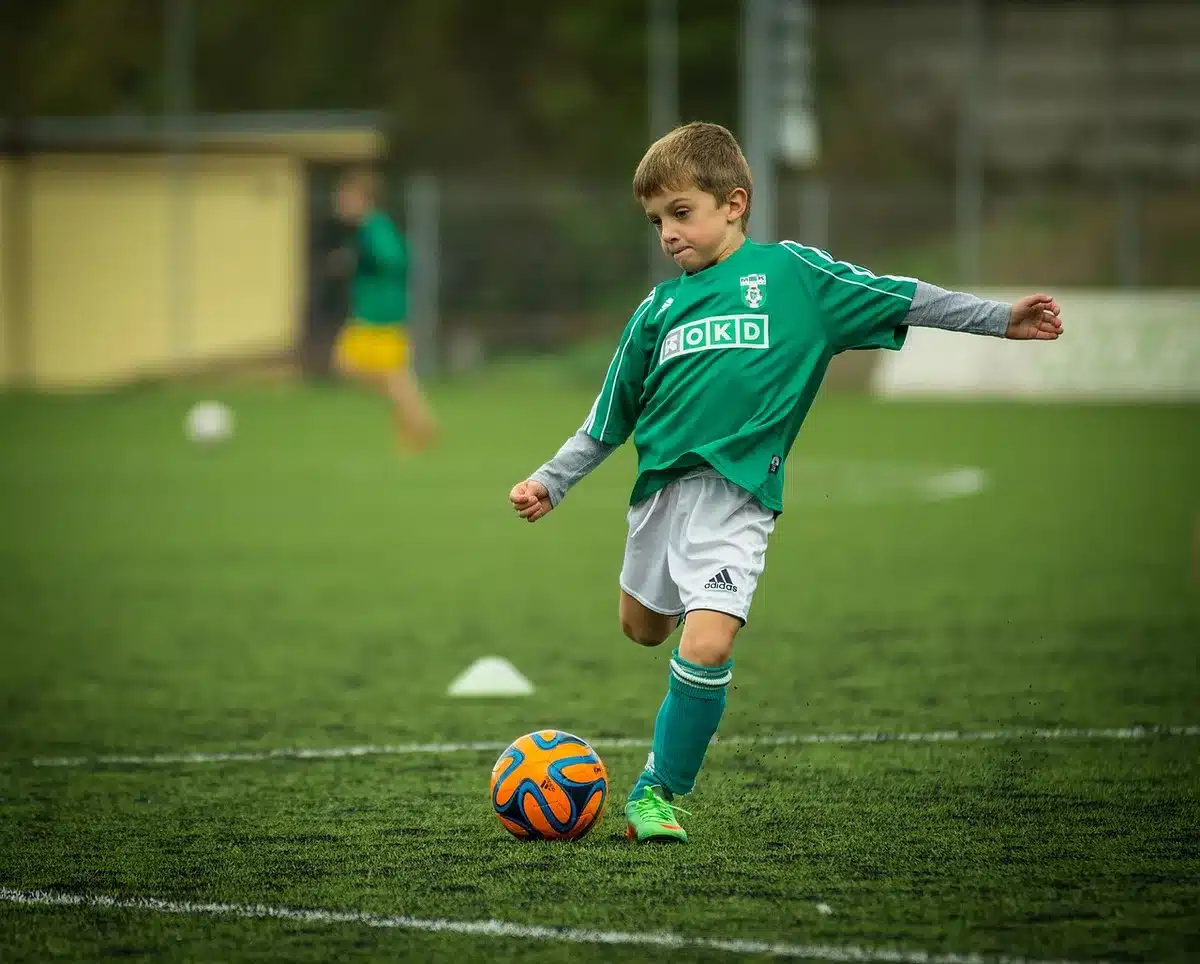
- Overuse injuries from repetitive motion
- Higher rates of burnout and dropout
- Increased stress and anxiety tied to performance
Medical guidance favors variety in childhood athletics. Playing multiple sports builds balanced skills and limits injury risk. But the business model of some private clubs rewards more time on the field, not diversified play.
Why rec programs are fading
Several dynamics have hollowed out community leagues.
- Budget cuts to parks and rec departments after the pandemic
- Families migrating to private clubs early on
- Perception that community teams are “second best”
When children exit rec leagues in first or second grade, local programs lose both players and competitive depth. That shrinking participation creates a feedback loop where rec options appear weaker, which pushes more families toward paid clubs.
Can parents push back? Collective choices matter
Experts frame this as a collective-action problem. If enough families choose affordable, local options, community sport can be revived. But individual incentives push parents toward elite programs.
- Fear of missing out on development opportunities
- Social pressure from peers and neighborhoods
- Belief that early specialization is required for future success
Rebuilding robust, affordable local leagues requires many families to opt in at once. That coordination is difficult, but not impossible.
A working model: community-based hockey in Minnesota
Minnesota’s youth hockey provides a striking alternative. A nonprofit network of public rinks supports a broad, affordable program. Costs remain low. Coaches are volunteers who receive training. Kids play with neighbors and classmates.
- Program scale: tens of thousands of participants
- Typical cost: a few hundred dollars per season
- Outcome: strong pipeline to higher-level play without excluding most kids
Access and scale create a meritocratic environment. Everyone can join and have fun. The most talented players still rise, but the pathway remains rooted in community sport rather than early commercialization.