
Show summary Hide summary
- Where this story sits in Lee’s larger project
- The heart of the tale: the Koh family
- Compromise, betrayal and the consequences
- Life in diaspora: jobs, faith and survival
- Hagwon as a symbol: education’s promise and peril
- Character architecture beyond the Kohs
- Lee’s narrative approach and prose choices
- Why the book resonates now
- Practical notes for readers
Min Jin Lee returns with American Hagwon, a sweeping family saga that maps migration, ambition and the hunger for belonging across continents and decades. The novel deepens her exploration of the Korean diaspora, blending intimate character study with social observation. Readers who loved Pachinko will find echoes here, yet this book stands on its own as a powerful meditation on education, work and the fragile promises of late-20th-century America.
Where this story sits in Lee’s larger project
American Hagwon is the third installment in Min Jin Lee’s planned four-novel series about Korean migration. Like its predecessor, Pachinko, this book moves between places and generations.
Drakeo the Ruler’s estate settles after fatal stabbing
Lil Baby linked to NFL star shooting: police reveal whether he’s connected
- Timeframe: the narrative mostly spans the 1990s through the early 2000s.
- Geography: scenes shift from Seoul to Sydney and ultimately to Southern California.
- Scope: Lee balances sweeping family history with close, lived-in moments.
That scale gives the novel both epic reach and quiet interiority. Lee aims to show how systems — workplaces, schools and churches — shape lives.
The heart of the tale: the Koh family
The Kohs anchor the book. John and Helen Koh arrive in Seoul after six years abroad. Their three children were born in New Jersey.

Children under pressure
The youngest, a shy girl named Mido, struggles to readjust. Adolescence, frequent relocations and cultural friction leave the siblings vulnerable.
- Bo, DH and Mido each carry different ambitions and resentments.
- All three touch the world of the hagwon — private after-school academies central to Korean education culture.
- Work at the hagwon becomes a thread linking family hopes to structural realities.
Compromise, betrayal and the consequences
John Koh’s career collapses under corporate politics and an old friend’s betrayal. Taehun Shin, a charismatic executive, uses private favors and public power in ways that unravel careers.
Danbi, an alluring young employee, complicates loyalties and sets events in motion. What begins as workplace maneuvering cascades into exile, financial strain and forced reinvention.
As the Asian financial crisis hits in 1997, many characters migrate again. For the Kohs, that means Southern California and a different economy of labor.
Life in diaspora: jobs, faith and survival
Lee renders the small daily degradations of immigrant life with unflinching attention. Characters toil in kitchens, shops and service jobs to make ends meet.
- John takes shifts in a seafood restaurant inside a Korean shopping mall.
- Mary, wife of Shin, surfaces later in the story working at a florist in New Jersey.
- Church networks and community ties provide both support and constraint.
Work is shown not merely as duty but as a ledger of dignity and cost. Lee probes whether relentless labor leads to survival or slow erasure.
Hagwon as a symbol: education’s promise and peril
The hagwon is central to the book’s thematic architecture. These academies are where social mobility is imagined and contested.
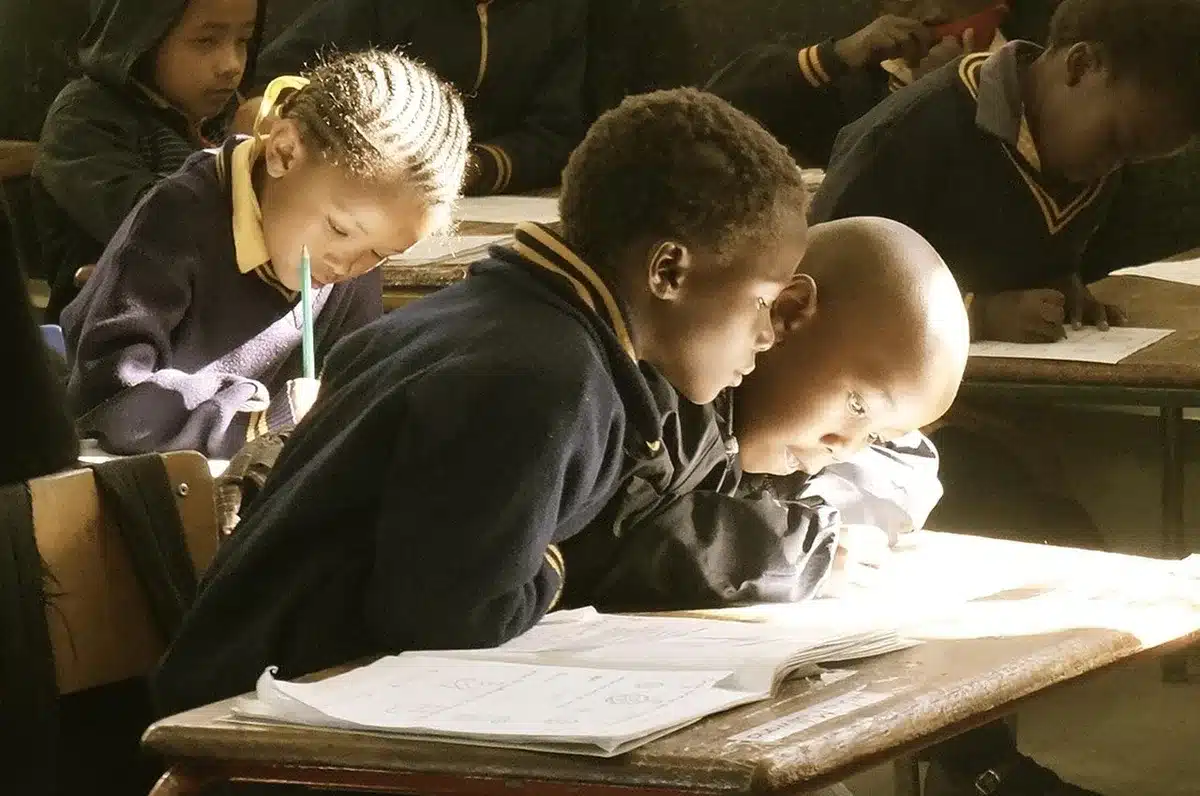
One prominent administrator, nicknamed Lion, runs a more idealistic academy. He insists education should transform, not only secure elite placements.
- Most hagwons are transactional, aimed at test scores and college placement.
- Lion argues for a humane, broad-minded approach to learning.
- A climactic speech to hundreds of parents underscores the debate.
Lee places the hagwon at the intersection of cultural expectation and immigrant aspiration. The scenes ask what education is for, and whom it ultimately serves.
Character architecture beyond the Kohs
Lee populates the novel with a wide cast, each rendered fully. Shin’s private life and Mary’s quieter perspective complicate easy villainy and sympathy.
Minor figures — friends from school, church members, coworkers — accumulate into a communal chorus. Their stories ripple outward, showing how choices in one place echo elsewhere.
Lee’s narrative approach and prose choices
American Hagwon often foregrounds exposition and reflection alongside scene. Lee resists the strict “show, don’t tell” rule. The result is a novel that feels both instructive and alive.
Her voice moves between close focalization and a wider narrator who can hold multiple moments at once. Small details — a matted netted hair, an oil-stained apron — become vivid anchors.
Lee can turn the ordinary into revelation. Short, clear sentences sit beside sweeping paragraphs that accumulate emotional weight.
Why the book resonates now
The novel traces labor migration, corporate fallibility and the social engines of upward mobility. Its questions about schooling and belonging feel contemporary.
- It confronts the costs of ambition in immigrant communities.
- It asks whether the American Dream still operates as a promise.
- It probes how institutions can both uplift and fail people.
Readers engaged with stories of immigration, family sagas and debates over education will find much to discuss. American Hagwon refuses easy answers, and its moral complexities linger after the last page.
Practical notes for readers
The book exceeds 600 pages and rewards patient reading. Fans of Pachinko will recognize thematic continuities but will meet new settings and dilemmas.
- Recommended for readers of literary family sagas.
- Useful for book clubs exploring education and immigration topics.
- Pairs well with works about diasporic labor and the late-20th-century global economy.