

Show summary Hide summary
- What the new research shows about CTE in NFL players
- How to read the numbers: limits and context
- Voices responding: journalists and commentators weigh in
- Where culture and fandom obscure danger
- Listen for deeper reporting and related episodes
- Immediate help and resources
- Credits and production notes
A recent analysis of former NFL players who died between 2016 and 2021 has reignited debate about the true cost of professional football. New findings suggest a sizable share of those athletes showed signs of chronic traumatic encephalopathy after death — a revelation that raises medical, cultural, and ethical questions about the sport’s future.
What the new research shows about CTE in NFL players
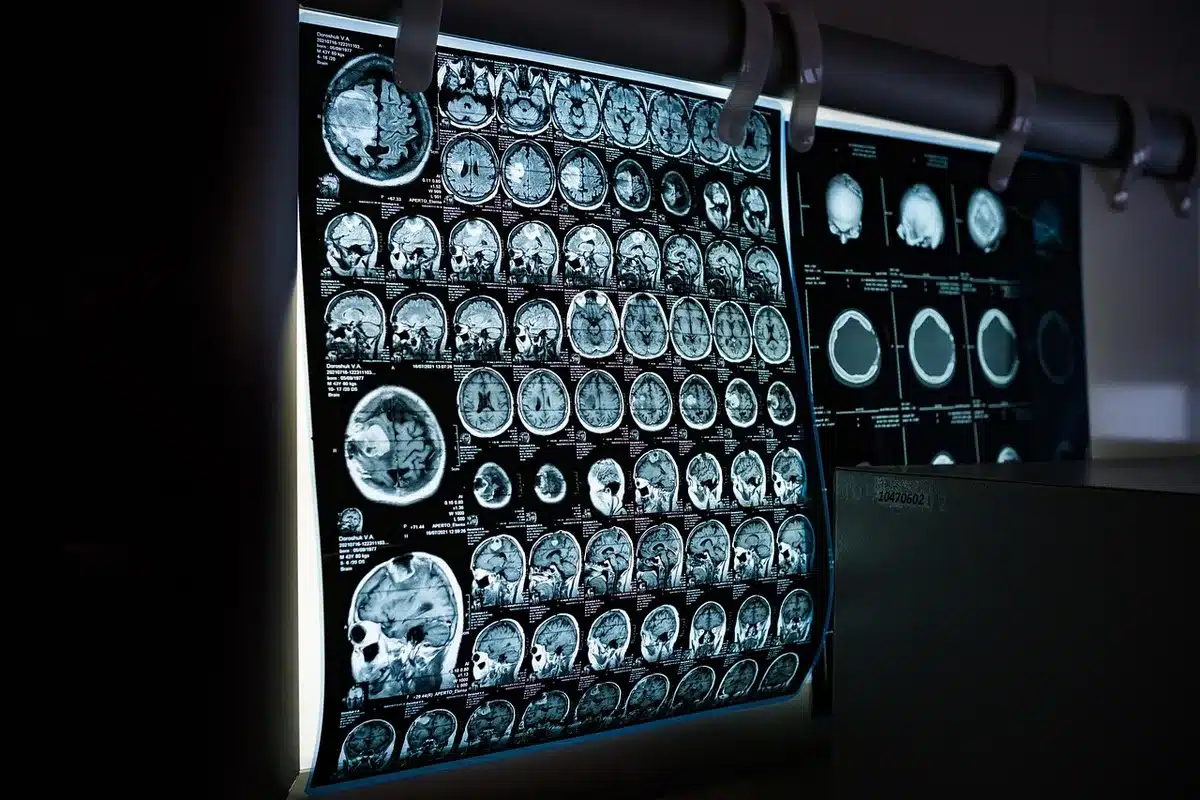
Researchers examined a group of athletes who had appeared in at least one NFL game and later died during 2016–2021. Their postmortem exams revealed that roughly one-quarter of those players had neuropathological evidence consistent with CTE. That proportion — about 25% — is a striking figure for a condition linked to repeated head trauma.
Nas slams music industry over disrespect: teases new music, vows to address it
1992 vocal performances: 3 jaw-dropping moments that still amaze
How to read the numbers: limits and context
These results do not represent every player in the league. The sample is limited to those whose brains were examined after death, so selection bias can affect the estimated rate. Still, experts say the findings add to mounting evidence that professional football carries measurable brain-health risks.

- Selection bias: Families who suspect problems are likelier to seek testing.
- Scope: The study covers only players who died in a specific period.
- Implications: Even a conservative reading signals concern for player safety.
Voices responding: journalists and commentators weigh in
Public conversations about the study have involved sports writers, cultural commentators, and medical authorities. On a recent episode, hosts discussed how the data might reshape perceptions of football. Guests included well-known commentators who brought perspective on race, labor, and media narratives tied to the sport.
Key points from the discussion
- How coverage frames risk affects fan and player choices.
- Labor and entertainment intersect when athlete health collides with big money.
- Cultural loyalty to football can create blind spots about harm.
Where culture and fandom obscure danger
Football is wrapped in identity for many fans and communities. That loyalty can lead to minimizing injuries or accepting risk as part of the game. Commentators point out that economic incentives, nostalgia, and media spectacle all help sustain a system that may downplay long-term harm.
The tension between entertainment value and player welfare remains at the center of debates over rule changes, medical protocols, and how the league addresses brain health.
Listen for deeper reporting and related episodes
Want more reporting where labor, entertainment, and culture meet? Recent episodes explore Broadway’s direction and the financial pressures visible in television. They provide broader context for how industries manage workers and risks.
- Broadway and industry changes
- Financial strain as a recurring cultural theme
Support public media through membership to access perks like sponsor-free listening and bonus content for many shows. Learn more about membership offerings and benefits online.
Immediate help and resources
If you or someone you know is thinking about suicide, contact the 988 Suicide & Crisis Lifeline by calling 988. You can also text HOME to 741741 to reach the Crisis Text Line. These services are available to offer support right now.
Credits and production notes
This episode was produced and edited by a small team with engineering and supervisory support. The show’s producers, editors, and executive leadership helped shape the reporting and the on-air discussion. For full credit listings and production details, consult the program’s official notes.










