Show summary Hide summary
- How a 23-year-old landed in the universe of Dune
- Forging a creative bond with David Lynch
- Blue Velvet and Twin Peaks: navigating darkness on camera
- On-set memories: love, fear and unforgettable performances
- Reflections on craft and aging as an actor
- Writing the memoir: memory, privacy and mourning
- Key takeaways from the conversation and book
- Moments he wanted readers to remember
- Practical notes about performance and life
Kyle MacLachlan arrives on the page as both storyteller and witness. In his new memoir, Fictional Selves, he traces a career that began with an unlikely casting call and became defined by a decades-long collaboration with filmmaker David Lynch. The book revisits roles, romances, and the private rhythms of making strange art, while also grappling with Lynch’s death earlier this year.
How a 23-year-old landed in the universe of Dune
Fresh from drama school, MacLachlan answered an unexpected audition for David Lynch’s Dune. The film opened in 1984 to harsh reviews, but it launched a partnership that shaped his life.
80s British indie bands that changed American alternative rock forever
Pearl Jam drummer quits after 27 years: band says where things stand
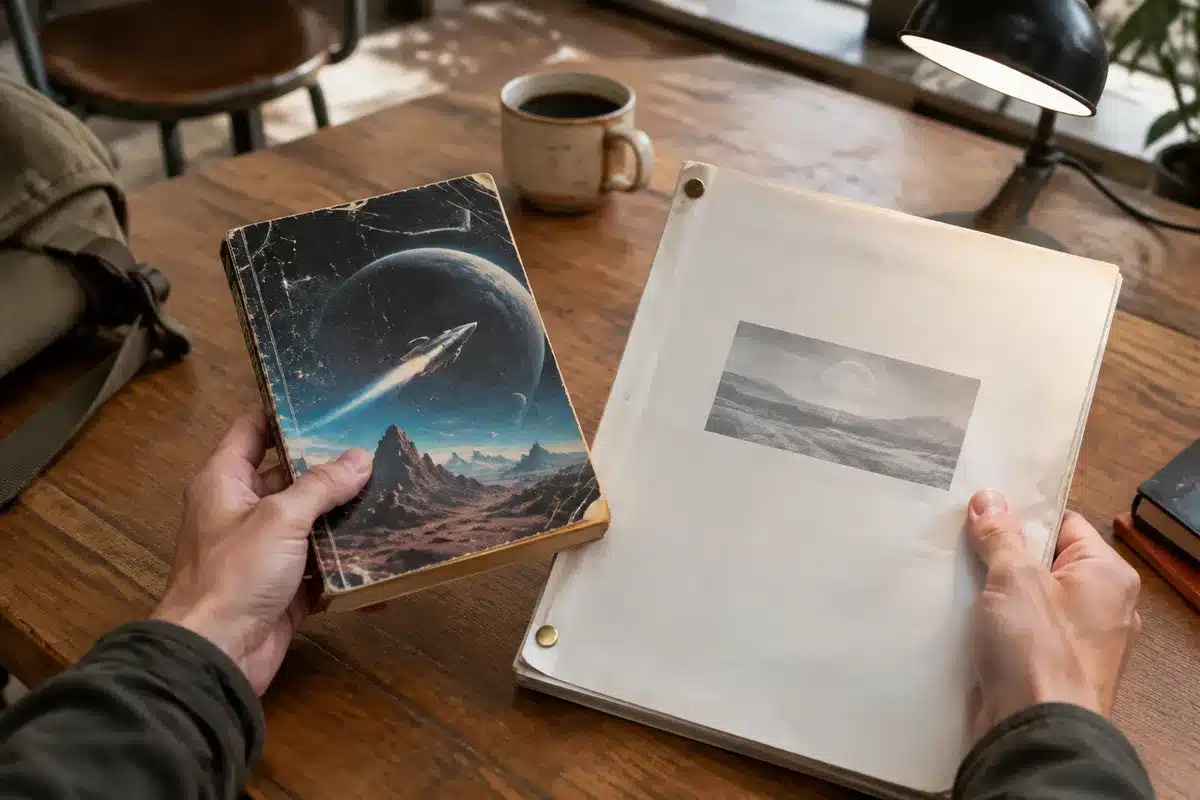
MacLachlan had lived inside the Dune novels as a teenager. The books were a refuge during difficult school years. When a casting agent called, he thought it was a prank. Instead, he found himself stepping into a cinematic world he had long admired.
Forging a creative bond with David Lynch
The actor describes his relationship with Lynch as freeing. He rarely felt judged. Instead, the director’s presence offered reassurance and a relentless push to take risks.
MacLachlan likens his role in Lynch’s films to a vessel that allows audiences to enter strange, often unsettling worlds. He acted as a guide for viewers, preserving a kind of on-screen innocence that the director would then test and transform.
Blue Velvet and Twin Peaks: navigating darkness on camera
Two of MacLachlan’s most iconic works came from Lynch’s imagination. Blue Velvet and Twin Peaks cast him into unsettling landscapes populated by damaged characters and surreal moments.
Becoming—and shedding—a darker self
Playing a violent or deranged role required deliberate craft. MacLachlan explains that he built those characters piece by piece each day. When filming ended, he had rituals to leave the role behind.

- He would adopt the character’s breathing and posture while in costume.
- At day’s end, he consciously removed the wardrobe and rituals.
- He kept an emotional boundary to protect his home life and family.
On-set memories: love, fear and unforgettable performances
Laura Dern and the blurring of screen and real life
Working closely with Laura Dern on Blue Velvet led to a real-life affection. MacLachlan says their off-screen connection mirrored the intimacy of their characters. Lynch welcomed that overlap because it enriched the film’s truth.
Dennis Hopper’s terrifying intensity
Dennis Hopper was charming off camera but terrifying in scenes. MacLachlan recalls feeling immobilized at times, reacting to Hopper’s unpredictable energy. The actor says simple presence and truthful reaction were enough to sell each moment.
Reflections on craft and aging as an actor
MacLachlan views his face as an instrument that deepens with time. He feels fortunate that experience has added texture to his performances.
Family life matters, too. With a son approaching adulthood, he says staying fit keeps him alert to new opportunities and roles.
Writing the memoir: memory, privacy and mourning
Fictional Selves is part career chronicle, part personal excavation. MacLachlan uses the book to trace how roles shaped him and how he grew from those experiences.
After Lynch’s death in January 2025, the memoir carried new weight. MacLachlan admits he worried about revealing intimate moments between them. Because Lynch guarded his privacy, sharing stories felt complicated.
Still, the actor found value in looking back. The memoir lets him mark lessons learned and frame painful or joyful episodes as part of a larger arc.
Key takeaways from the conversation and book
- Early fandom to first big break: The Dune novels helped him through adolescence and ultimately led to his first major film role.
- Creative safety with Lynch: Their partnership mixed warmth with a challenging artistic push.
- Method and release: For intense roles, he dressed into character and deliberately undressed to let the role go.
- On-set romance: His chemistry with Laura Dern spilled into real life and served the film’s narrative.
- Respect for collaborators: He admired Dennis Hopper’s commitment, even when it provoked fear on set.
- Memoir as map: Writing helped him locate growth after loss and recall lessons from a long career.
Moments he wanted readers to remember
MacLachlan emphasizes the strange reality of Lynch’s imagination. In his telling, those cinematic worlds felt fully alive to their creator, and that belief shaped how the cast worked.
He also stresses the relief of being able to step back from dark roles. Rituals on set gave him a way to protect his private life from on-screen intensity.
Practical notes about performance and life
Throughout the interview, MacLachlan returns to practical lessons. Stay disciplined. Protect your boundaries. Keep your curiosity. Make choices that serve the work, and then be willing to leave the work behind.
Above all, he values connection—to colleagues, to family, and to the readers who follow his story through roles and pages.