Show summary Hide summary
- Why the sport remains high-risk for horses and jockeys
- Wearable technology that detects trouble early
- How sports medicine is reshaping jockey care
- Insights from Belmont Park: vets, scientists and veteran riders
- Track upgrades, policy changes and public debate
- Where to find more research and resources on racing safety
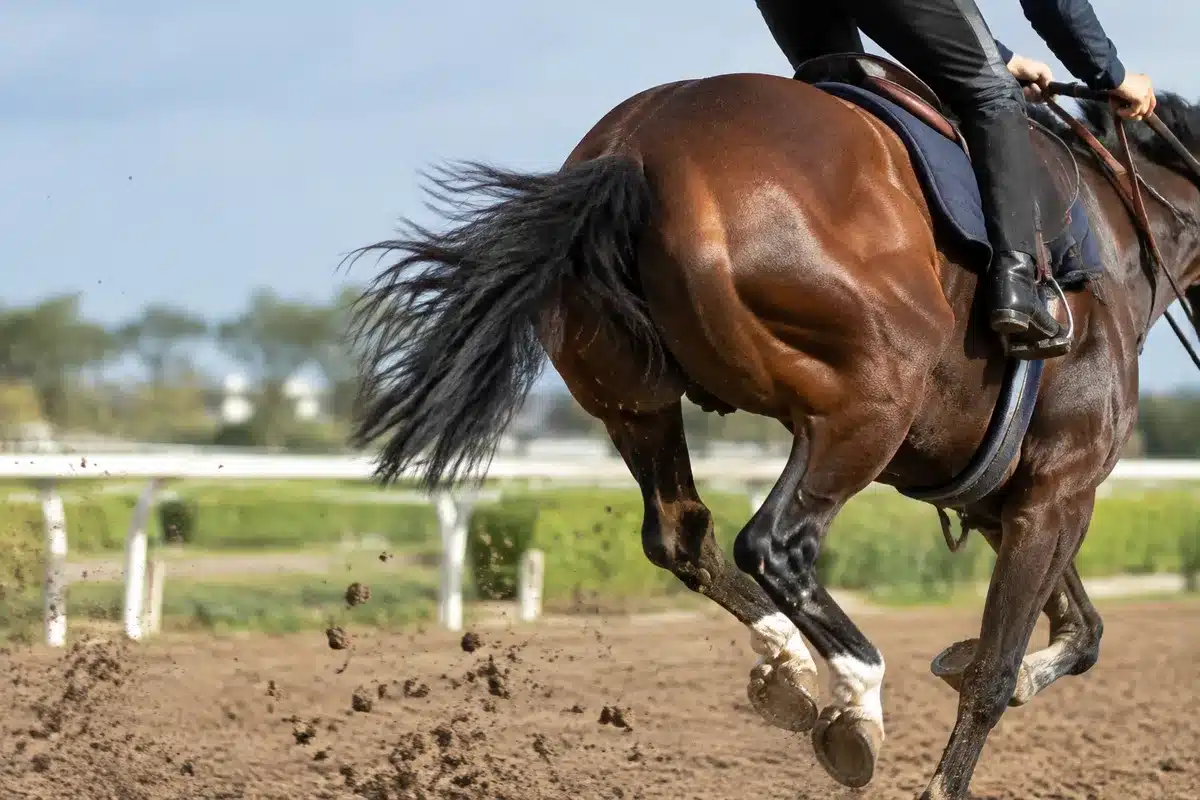
Riding a 1,000-pound animal at race pace leaves little room for error, and modern horse racing is pushing both horses and riders into extreme physical demands. New sensors and advances in sports medicine are changing how trainers, vets and jockeys spot danger before it becomes disaster.
Why the sport remains high-risk for horses and jockeys
At speeds approaching 40 mph, a small mistake can have devastating consequences. Hoof strikes, uneven footing and sudden fatigue can trigger catastrophic breakdowns for horses.
80s British indie bands that changed American alternative rock forever
Pearl Jam drummer quits after 27 years: band says where things stand

Jockeys face their own dangers. They must balance weight limits, maintain power and react instantly to shifts in a horse’s gait. Poor fitness or delayed reflexes increase injury risk for both athlete and mount.
Wearable technology that detects trouble early
Sensors clipped to bridles, girths and saddle pads now collect real-time data on stride, heart rate and limb loading. Algorithms translate those metrics into early-warning signals.

- Gait analysis detects asymmetry before visible lameness appears.
- Heart-rate and respiration monitors track stress and recovery.
- Impact sensors record load and shock that can precede soft-tissue injury.
Early detection lets trainers intervene sooner, adjust training loads and schedule veterinary checks before an injury becomes irreversible.
How sports medicine is reshaping jockey care
Recent research maps the physiological demands on riders during trials and races. Muscle activation, core stability and balance all determine how well a jockey maintains technique.
Universities and sports labs now test reaction time, strength and breathing patterns. Programs aim to improve fitness while reducing weight-cutting practices that harm performance.
- Targeted strength training for postural endurance
- Nutrition and hydration strategies to preserve reflexes
- Recovery protocols to limit cumulative injury risk
Insights from Belmont Park: vets, scientists and veteran riders
At Belmont Park, conversations with equine specialists and jockey-health researchers reveal a shared goal: safer outcomes for animals and people. Dr. Sara Langsam, who chairs the American Association of Equine Practitioners Racing Committee, emphasizes diagnostics and surface evaluation.
Michaela Keener, a researcher at the University of Kentucky, studies jockey physiology and injury patterns. Her work points to measurable training interventions that reduce risk.
ReyLu Gutiérrez, a jockey with thousands of starts, stresses practical changes—better communication with trainers, consistent fitness routines and trust in new tech that flags problems midwork.
Track upgrades, policy changes and public debate
Some racetracks are installing high-tech surfaces designed to absorb impact and promote consistent footing. Others are adopting stricter veterinary screening and data-sharing programs.
- New surface technology at major tracks aims to lower concussion and breakdown rates.
- Centralized injury databases help regulators track patterns across training and racing.
- Advocacy groups call for stronger welfare standards or systemic reform.
These steps create friction and debate. Regulators, owners and animal-welfare advocates weigh safety gains against economic and cultural pressures.
Where to find more research and resources on racing safety
- Studies on biometric sensors for early equine injury detection
- Research into jockey muscle activity and physiological demands
- Official track safety pages and updates from racing authorities
- Advocacy organizations focused on animal welfare and industry reform
- Information on modern racetrack surfaces and their performance