

Show summary Hide summary
- Why Linda Cardellini turns heads as Pamela Voorhees
- Reimagining the Friday the 13th mythos for TV
- Plot beats and new origin details
- Key characters and performances to watch
- Visual tone, period detail and the show’s violence
- Where the pacing and structure shift the season
- Narrative risks: conspiracy, structure and character focus
- Directing highlights and episodes that shine
- What works best and what may disappoint fans
Peacock’s Crystal Lake arrives as a bold reimagining of the Friday the 13th world, centering on Pamela Voorhees and the events that shaped her. With Linda Cardellini leading the charge, the series aims to reshape a familiar slasher origin into a slow-burn character drama. It mixes gore, period texture and moments of genuine pathos.
Why Linda Cardellini turns heads as Pamela Voorhees
Cardellini’s performance is the engine of the show. She moves Pamela away from the one-note villain of the original film. Instead, Pamela is a grieving mother, fragile and terrifying in equal measure.
Nas slams music industry over disrespect: teases new music, vows to address it
1992 vocal performances: 3 jaw-dropping moments that still amaze
This is the most fully realized Pamela in any Friday the 13th project. Cardellini digs into the character’s tenderness and rage. The result is a portrait that often feels new and surprising.
Reimagining the Friday the 13th mythos for TV
Crystal Lake borrows the skeleton of the 1980s franchise. Then it expands that skeleton into a decade-specific story. The show places events in the early ’70s and injects social and cultural details of the era.
- It keeps iconic touchstones fans expect, like the camp setting and certain familiar faces.
- It adds conspiratorial threads and original plotlines not found in the movies.
- It leans into period paranoia, from cults to institutional distrust.
At times the added layers feel enriching. Other times they drift toward busy, unfocused subplotting.
Plot beats and new origin details
The series opens on Pamela in a bloody present, then flashes back nine months. She is a camp cook and doting mother to 11-year-old Jason Voorhees. The camp seems idyllic at first.
Jason’s camp life and the drowning
Jason is portrayed as an outcast with physical differences. He forms a close bond with another misfit named Grace. A tragic, unsupervised swim ends in disaster. The show makes the drowning the emotional fulcrum of Pamela’s transformation.
Pamela’s grief and the community’s response
Crystal Lake explores how the township reacts. Characters range from sympathetic to opportunistic. Levon, the local sheriff, offers support and shows romantic interest. But Pamela is frozen by loss, never fully able to move forward.
Key characters and performances to watch
- Linda Cardellini — Pamela Voorhees: the standout and primary reason to watch.
- Callum Vinson — Jason Voorhees: a vulnerable, young presence before the legend.
- Gwendolyn Sundstrom — Grace: a sweet, loyal friend whose plight anchors the show’s sympathy.
- William Catlett — Levon: a flawed sheriff with a guarded past and earnest intentions.
- Danielle Kotch and Phoenix Panevik — the negligent counselors whose choices carry consequences.
Several supporting turns add color, from a disruptive hippie to a textbook TV guest star later in the season.
Visual tone, period detail and the show’s violence
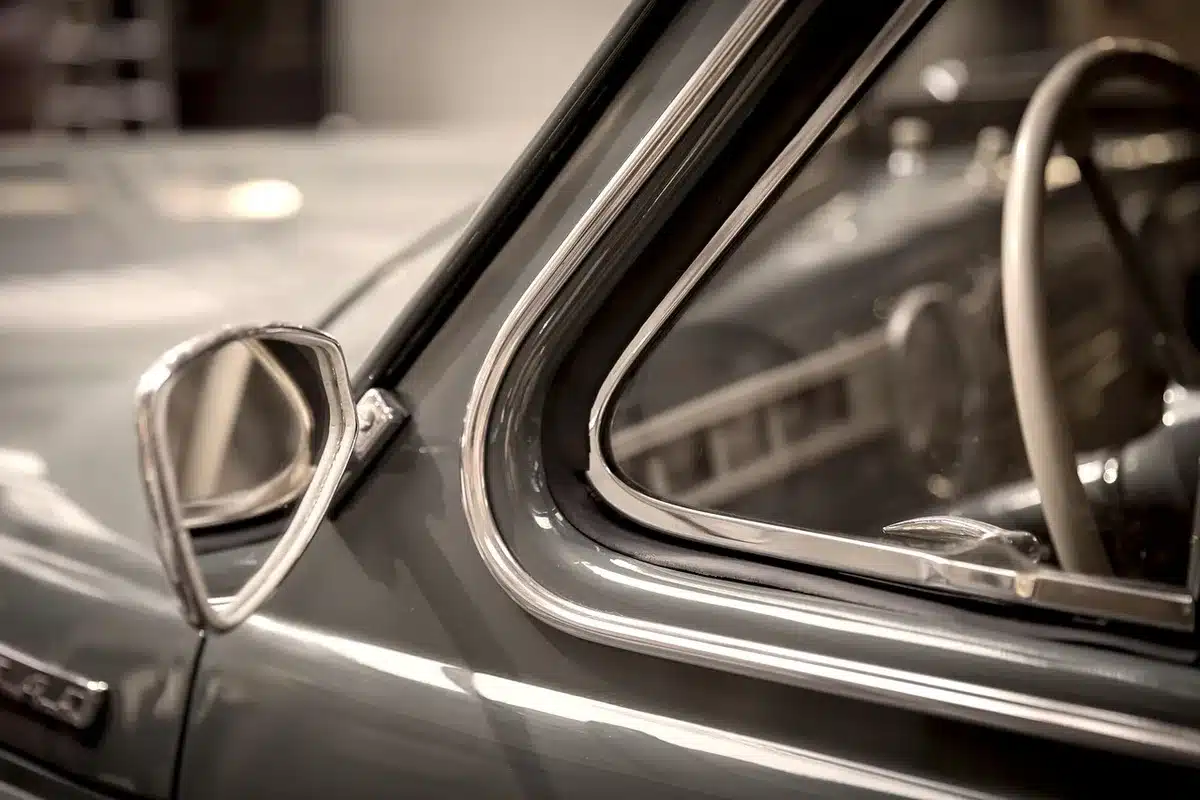
Crystal Lake favors a gritty, washed-out look. Cars, fashions and frame composition evoke early 1970s grindhouse cinema. The sound and music choices often play against the image.
The series does not shy away from gore. Kill scenes are frequent and extremely graphic. Practical and CGI effects combine to heighten the shock factor.
If you want visceral slasher set pieces, the series delivers. If you prefer subtler dread, some sequences may feel excessive.
Where the pacing and structure shift the season
Early episodes take their time building mood and character. Midseason stretches can feel slow and episodic. Then the series accelerates in the final third.
- Episodes six and seven are turning points. Direction and tone tighten, and the stakes rise.
- One standout hour uses a retro melodrama aesthetic, blending Cronenberg-like body horror with Sirkian emotion.
- The finale retools the origin myth in surprising ways, reshaping familiar events.
Those shifts make the middle episodes feel like setup. The late-season rush repays patience for many viewers.
Narrative risks: conspiracy, structure and character focus
Series creator Brad Caleb Kane sprinkles conspiratorial threads across the season. Those elements nod to Stephen King-style paranoia rather than classic Friday the 13th motifs.
Some plotlines hang loosely for long stretches, such as a reporter subplot that takes time to find relevance. An episode set at an EST-like retreat plays as both satire and tonal gamble.
Overall, the show sometimes feels like many ideas thrown together. Yet when the pieces align, the payoff can be potent.
Directing highlights and episodes that shine
A trio of directors lifts the season in the midrun. Their episodes sharpen the visual language and deepen character work. One flashback hour stands out for its color palette and painful intimacy.
Those hours are where Crystal Lake turns from intriguing experiment into compelling television.
What works best and what may disappoint fans
- Works: Cardellini’s lead turn, period atmosphere, and bold, gruesome set pieces.
- May disappoint: meandering middle episodes, a handful of underused subplots, and an occasionally uneven tone.
- Fans of the original films will appreciate many references, but should expect new directions.
Crystal Lake is not just fan service; it tries to make Pamela Voorhees into a character whose choices matter. Whether those choices always land is subject to taste.









