
Show summary Hide summary
- How a viral campus clip became a national flashpoint
- How conservative commentators framed the incident
- Problems in the online left-wing ecosystem
- Why this moment matters for free speech and political life
- Polarization, spectacle, and the demand for a temperate response
- Where accountability and restraint should guide the response
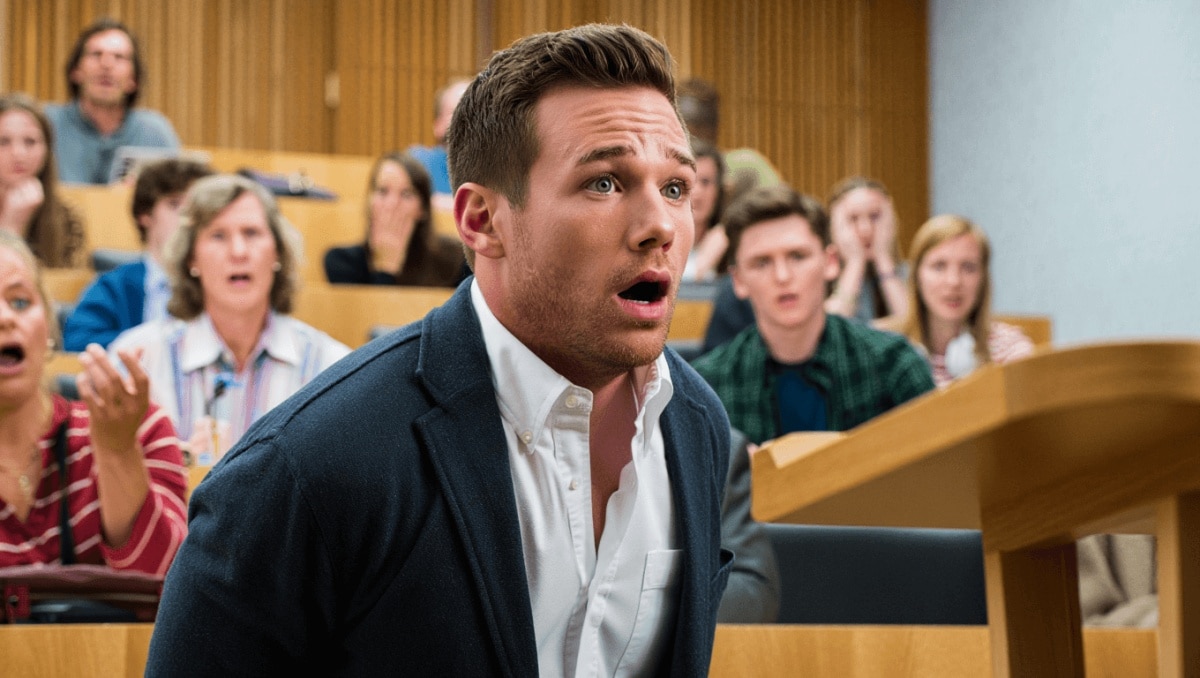
Millions of people woke to a single, brutal clip online — a short video of a speaker at a campus event who suddenly recoils as a gunshot rings out. The image looped across feeds, igniting panic, grief, and a fierce political argument about who benefits from such violence and how society should respond.
How a viral campus clip became a national flashpoint
The footage spread fast across platforms that prioritize speed over verification. Within hours, the clip was everywhere: reposted, clipped, and debated. Users argued about context, authenticity, and motive. Newsrooms scrambled to verify the scene. Meanwhile, ordinary viewers felt shock and a strange intimacy with the person on screen.
- Social feeds amplified the image, making the moment unavoidable.
- Many people experienced grief or outrage as if they had lost someone they knew.
- Claims about the identity and fate of the speaker circulated before authorities confirmed details.
Nas slams music industry over disrespect: teases new music, vows to address it
1992 vocal performances: 3 jaw-dropping moments that still amaze
Parasocial bonds — the illusion of close ties formed by daily media consumption — help explain the intensity. Familiar commentators attract loyal audiences who process public harm as private loss.
How conservative commentators framed the incident
Within hours, influential conservative voices reacted. Some framed the event as proof of widespread anti-conservative hostility. Others used it to call for strong state action against ideological opponents. These responses quickly hardened into a political narrative.
Common themes in the right-leaning response
- Claims that the incident reflected an escalating threat from the left.
- Calls for aggressive measures to root out organizations or rhetoric judged dangerous.
- Selective lists of recent attacks omitting examples that complicate the argument.
Many commentators also emphasized the victim’s role as a defender of campus free speech. They argued the attack represented more than an assault on one person; it was, they said, an attack on the principle of open debate itself. At the same time, some rhetoric veered into vindictive language that suggested punitive solutions rather than restraint.
Problems in the online left-wing ecosystem
Criticism of the conservative reaction does not erase real flaws on the other side. Online culture on parts of the left rewards provocation and moral signaling. Platforms amplify outrage, and that environment can foster reckless or celebratory responses to political violence.
- Algorithms favor dramatic posts that generate engagement.
- Status-seeking practices encourage extreme displays of commitment.
- Occasional cheers for harm or the dehumanization of opponents reflect those incentives.
These tendencies are dangerous. They normalize cruelty and can prime individuals to view real-world violence as a form of political expression. Still, it is important to note that the scope and lethality of right-wing extremist violence have been greater in recent years.
Why this moment matters for free speech and political life
A violent attack at a public event — verified or alleged — reverberates beyond the immediate horror. It changes how people think about safety, dissent, and the boundaries of acceptable speech.
- Potential speakers may avoid controversial topics out of fear.
- Audiences may self-censor to avoid being targeted by rage-bait.
- Policymakers may use outrage to justify expanded surveillance or repression.
If the prevailing reaction is punitive and partisan, the country risks trading open debate for a climate of intimidation. A movement truly committed to free expression would condemn violence consistently and protect the right to speak, even for views it opposes.
Polarization, spectacle, and the demand for a temperate response
The incident exposed how political actors convert tragedy into leverage. Partisan leaders across the spectrum sought to shape the story to fit existing agendas. Some amplified fear, others weaponized grief. That pattern is familiar: in times of crisis, narratives harden quickly.
What media platforms added to the chaos
- Autoplay and push alerts magnified initial shock.
- Rapid sharing outpaced verification routines.
- Monetization and clout-seeking incentivized sensational framing.
The result was a chaotic information environment where facts lag behind emotion. That gap makes democratic deliberation harder and gives power to those who can manipulate attention most effectively.
Where accountability and restraint should guide the response
Public leaders can help de-escalate by prioritizing verified facts and condemning violence across the board. Civic institutions and platforms can slow the spread of unverified clips and contextualize them responsibly.
- Journalists must prioritize confirmation before amplifying traumatic images.
- Political figures should avoid opportunistic framing that fuels retribution.
- Platforms should implement friction to curb the reflexive sharing of graphic content.
When political actors exploit a traumatic event, they risk undermining the democratic norms they claim to defend. The stakes extend beyond one incident; they shape how citizens engage with politics and one another.










