

Show summary Hide summary
- Why optimization became an everyday pursuit
- Visible trends: what people are optimizing now
- The social and financial costs of constant improvement
- Backlash and cultural fatigue
- How companies and creators profit from the optimization wave
- Practical questions to ask before joining an optimization trend
- Voices behind the reporting and production
We are living through a peak moment for “optimization.” From whitening eye drops to veneers and curated minimalist interiors, people are deliberately reshaping bodies, homes, and routines. The drive to fine-tune every aspect of life now fuels industries, influencers, and debates about what counts as a healthy, ethical, or sustainable way to live.
Why optimization became an everyday pursuit
Optimization started as a productivity promise. Apps, devices, and gurus offered clear gains: more output, better sleep, tidier spaces. Social platforms accelerated adoption. Visual proof of improvement spread quickly and normalized constant tinkering.
Nas slams music industry over disrespect: teases new music, vows to address it
1992 vocal performances: 3 jaw-dropping moments that still amaze
- Social media showcases rapid before-and-after results.
- Startups sell easy-to-follow systems and one-click solutions.
- Influencers monetize tweaks as lifestyle advice.
This culture reframes ordinary choices as projects to be optimized. The result: small decisions turn into ongoing experiments with identity, health, and aesthetics.
Visible trends: what people are optimizing now
The list of optimization targets is wide and surprising. Some changes are cosmetic. Others promise performance or longevity. All are shaped by visibility and convenience.
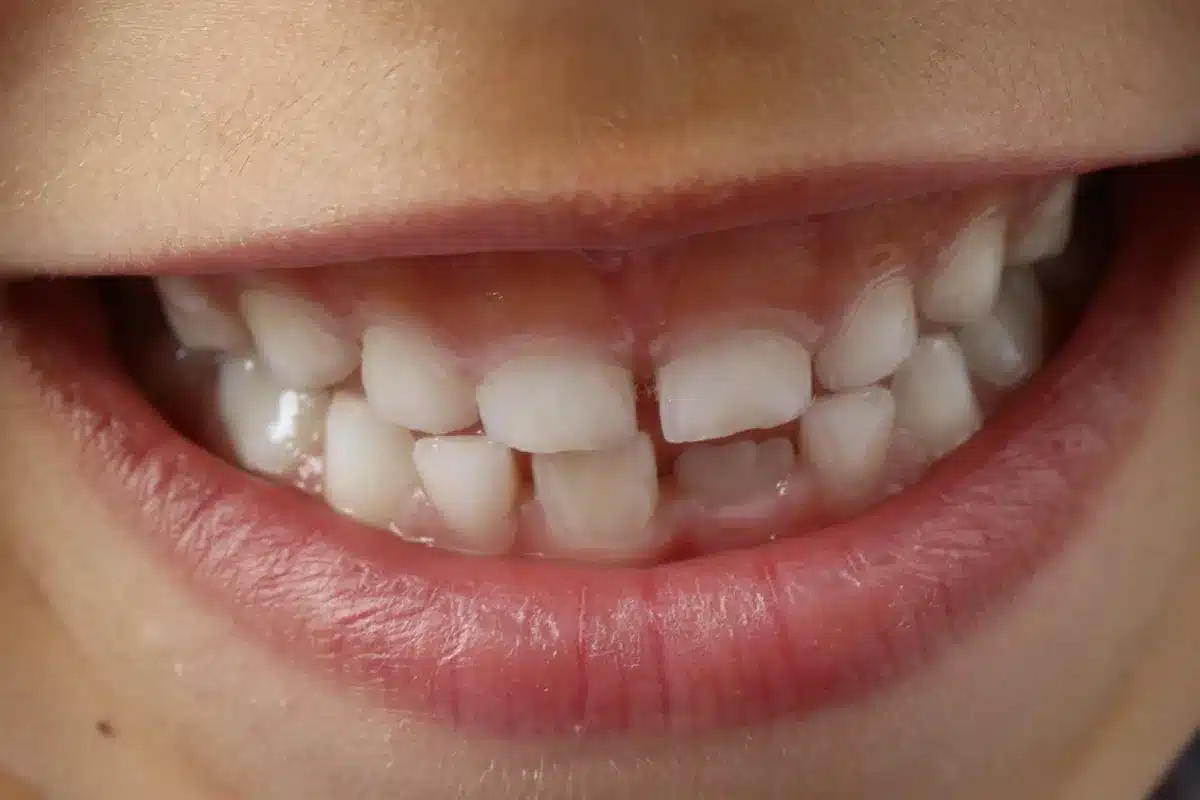
- Cosmetic adjustments: veneers, teeth whitening, skin treatments.
- Home aesthetics: minimalist rooms, staged photography, multipurpose furniture.
- Biohacking: supplements, tracking devices, sleep gadgets.
- Behavioral tweaks: productivity methods, micro-habits, app-driven routines.
Each trend offers a simple message: optimize this and you’ll be better. But that promise masks costs and trade-offs.
The social and financial costs of constant improvement
Optimizing can be expensive. It also creates pressure to maintain curated standards. People compare curated snapshots, not messy realities. That skews expectations and can intensify anxiety.

- Monetary burden: recurring expenses for products and maintenance.
- Mental load: constant monitoring and self-surveillance.
- Impact on relationships: competitive self-improvement can feel isolating.
When upgrades become obligations, wellbeing can decline. What began as a choice becomes a requirement to keep up.
Backlash and cultural fatigue
Not everyone embraces relentless optimization. Journalists, creators, and consumers are increasingly skeptical. Critics argue the movement favors appearance over depth and market solutions over public policy.
Amanda Mull, a senior writer at Bloomberg Businessweek, has explored this shift. Her reporting highlights growing exhaustion with perpetual self-improvement and the marketing machines that push it.
- People report burnout from tracking and testing themselves.
- Some push back with movements that value imperfection.
- Others call for regulation of dubious products and claims.
How companies and creators profit from the optimization wave
Industries adapt fast. Startups package lifestyle aspirations as subscriptions. Beauty brands cross-promote procedures and at-home products. Content creators monetize tutorial-style content that promises measurable gains.
- Subscription models lock users into ongoing costs.
- Affiliate marketing turns advice into commerce.
- Sponsored content blurs guidance with sales pitches.
Profit motives shape what is advised as “best practice.” That means some recommendations are driven more by revenue than by evidence.
Practical questions to ask before joining an optimization trend
Before investing time or money, consider these pragmatic points. They help separate useful innovations from fads that demand upkeep.
- What problem am I solving, and is the fix proportional?
- Is there credible evidence that this change improves long-term wellbeing?
- Who benefits financially if I adopt this habit or product?
- Will this require ongoing maintenance or hidden costs?
Voices behind the reporting and production
This piece draws on contemporary reporting and conversations about the optimization trend. The episode and related coverage involved a production team working across reporting, editing, and multimedia.
- Reporter and commentator: Amanda Mull (Bloomberg Businessweek).
- Production credits: field reporting, video editing, audio editing, and executive oversight by a multidisciplinary team.
- Availability: some podcasts and series offer membership perks for ad-free listening and bonus content.










