
Show summary Hide summary
- What the push-up protests look like and where they spread
- Why supporters say they do it
- Public reaction: humor, disgust, and political commentary
- How the action plays into online identity and branding
- Expert perspectives on the symbolism and risks
- Platform responses and moderation challenges
- What this trend reveals about modern protest tactics
- Where this may go next
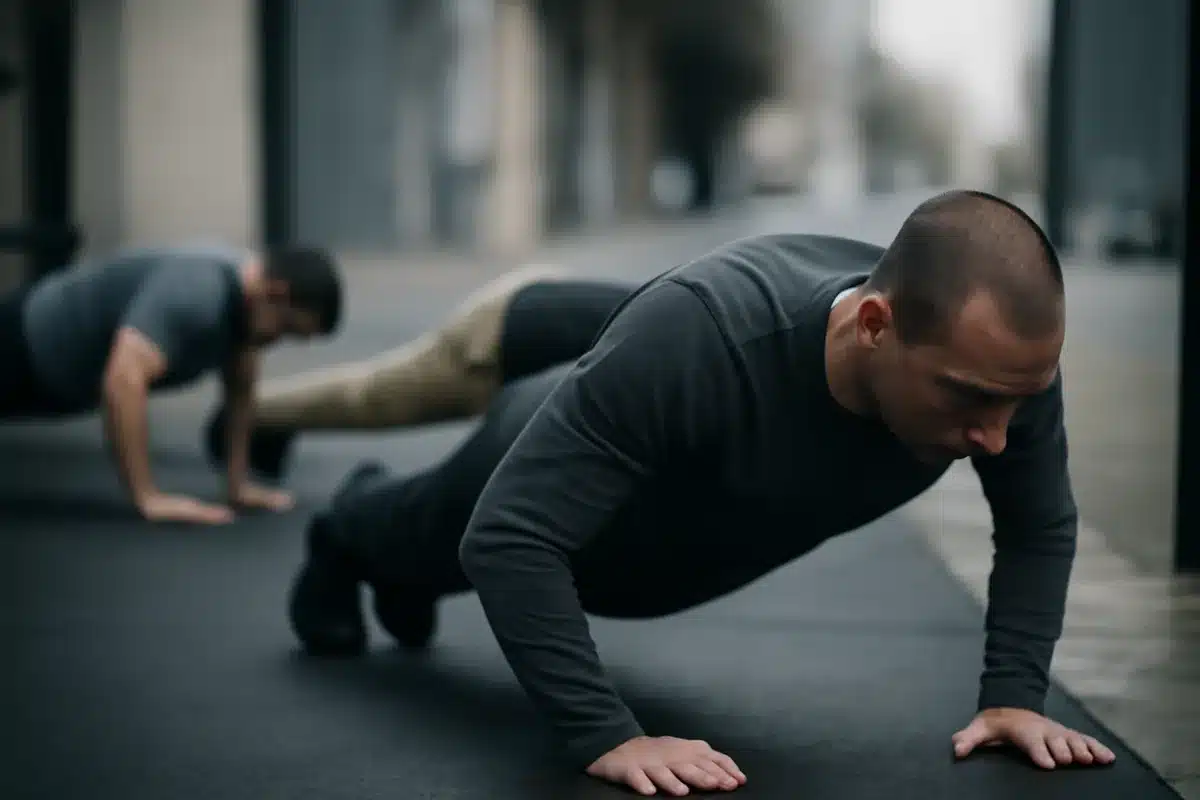
Viral clips of men dropping to the floor and doing push-ups have become the latest stunt among a cluster of Andrew Tate supporters. The videos are short, loud and designed to provoke. They have also prompted a tidal wave of online derision and analysis, as viewers and commentators debate whether the displays are a genuine protest or a performative show of bravado.
What the push-up protests look like and where they spread
Footage circulating on platforms such as TikTok and X shows groups and lone individuals performing push-ups in public. Some do them outside courthouse steps. Others film in gym locker rooms or on city sidewalks.
Nas slams music industry over disrespect: teases new music, vows to address it
1992 vocal performances: 3 jaw-dropping moments that still amaze
- Short clips often end with a shouted slogan or a hashtag tag.
- Many posts use music and quick edits to maximize shares.
- Videos are frequently amplified by pages that support men’s rights or anti-establishment views.
The stunt is simple, but its reach is amplified by algorithms. Within hours, hundreds of reposts and reaction videos appear. Each clip invites commentary and mockery alike.
Why supporters say they do it
Participants frame the push-ups as a stand against cancellation. They claim the exercise is a symbol of resilience.
- Some describe it as a way to show physical strength and mental resolve.
- Others say it is a form of collective defiance against perceived censorship.
- Occasional posts tie the action to fundraising or membership calls.
Organizers often emphasize unity. Still, there is no central authority coordinating the trend. It spreads through imitation and a handful of viral creators.
Public reaction: humor, disgust, and political commentary
Responses have been swift and varied. Many users treat the push-up clips as a joke. Others express discomfort.
- Comedy accounts create parody versions of the stunt.
- Critics say the spectacle reveals deeper problems with performative masculinity.
- Some therapists and cultural critics argue the behavior is compensatory rather than substantive.
The phrase “a new level of ick” has trended as a shorthand. It captures the revulsion some viewers feel when they see the act repeated as a badge of identity.
How the action plays into online identity and branding
For many participants, the push-up videos are about personal branding. Short, salacious clips gain followers fast.
- Creators use consistent imagery to build a recognizable persona.
- Merchandise links and paid memberships often follow viral momentum.
- Some posts are designed to bait mainstream media outlets into covering the stunt.
In the current attention economy, provocative acts can be a calculated tactic to grow an audience. That calculation blurs the line between protest and publicity.
Expert perspectives on the symbolism and risks
Psychologists and social commentators weigh in
Commentators point to themes of dominance and performative masculinity. They note that the push-up is a visible sign of strength, but a limited protest tool.
- Experts worry the act reduces political debate to spectacle.
- Some warn younger viewers may adopt the action without understanding the context.
- Others say it reflects a broader trend in which online identity trumps policy discussion.
Media analysts discuss amplification
Analysts explain how short video formats reward extremes. Platforms favor engagement above nuance.
This environment encourages theatrics over substantive argument. Outrage and amusement both drive visibility.
Platform responses and moderation challenges
Social networks face a dilemma. The content is not illegal, but it often stokes harassment and targeted campaigns.
- Moderators must decide whether to label posts as coordination or free expression.
- Platforms can limit reach through de-amplification, but enforcement is uneven.
- Advertisers and community groups sometimes pressure sites to act.
Policing trends like this requires balancing community safety with free speech principles. That balance is hard to achieve at scale.
What this trend reveals about modern protest tactics
The push-up stunt is a case study in how gestures replace argument in the digital era. It shows how visual shorthand can rally followers fast.
- Simple actions are easy to imitate and share.
- They create a sense of belonging without demanding deep engagement.
- But they also make it easy for critics to reduce serious debates to punchlines.
Whether the movement intends it or not, the act has become emblematic. For some, it signals defiance. For others, it signals emptiness.
Where this may go next
Trends evolve quickly. The push-up protest could fizzle, morph into a new stunt, or be co-opted by other groups.
- Watch for copycat actions tied to other influencers.
- Expect continued debate around performative activism.
- Look for platform policy updates in response to coordinated behavior.
Observers say the moment is less about fitness and more about identity performance in a highly connected world.










