

Show summary Hide summary
- Cha Cha Slide: The step-by-step party anthem that ruled weddings and gyms
- Crank That (Soulja Boy): How a ringtone hit became a global dance
- Lean Wit It, Rock Wit It: Southern hip-hop dance that crossed over
- Cupid Shuffle and party line dances: Crowd choreography before algorithms
- What those 2000s fads teach us about today’s TikTok dances
Before short-form video apps turned bedroom choreography into global phenomena, the 2000s produced its own set of dance crazes. These moves spread from clubs, schoolyards, and early social platforms like MySpace and YouTube. They proved that a catchy beat and a few simple steps could build a cultural moment long before TikTok made dances instantaneous.
Cha Cha Slide: The step-by-step party anthem that ruled weddings and gyms
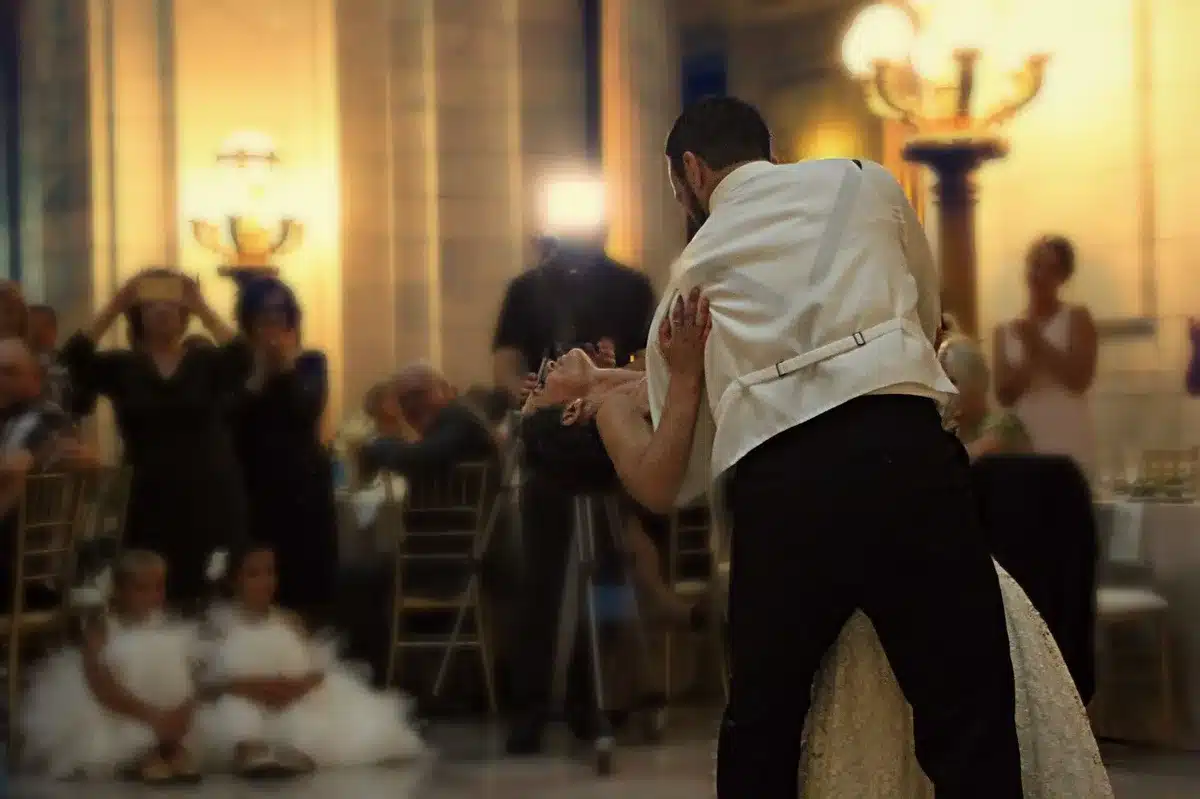
The Cha Cha Slide began as a DJ call-and-response track. DJ Casper created it in 2000 to get crowds moving.
Nas slams music industry over disrespect: teases new music, vows to address it
1992 vocal performances: 3 jaw-dropping moments that still amaze
How it caught on
- Radio play, wedding DJs, and gym classes pushed the song everywhere.
- Its vocal cues—like “slide to the left”—made the dance easy to follow.
- Universality was its superpower: families, schools, and clubs all adopted it.
Signature moves and why they endure
- Simple footwork and group synchronization.
- Low barrier to entry: no rehearsal needed.
- Memorable cues turned the song into a social participation game.
Crank That (Soulja Boy): How a ringtone hit became a global dance
Soulja Boy’s 2007 single changed the rules of music promotion. He used the internet and cell-phone culture to seed a dance craze.
New distribution methods
- MySpace profiles and early YouTube clips helped the song spread.
- Fans recorded house-party videos with homemade tutorials.
- Record labels noticed how viral behavior translated into sales.
Moves that were easy to copy
- Characteristic arm swings and a patented stomp-step.
- Variations proliferated as fans added local flavor.
- Playability made it useful for freestyles and battles.
Lean Wit It, Rock Wit It: Southern hip-hop dance that crossed over
Dem Franchize Boyz released the track in 2006. The move came from Atlanta’s club scene and migrated to mainstream radio.
Why the dance mattered
- It represented regional club culture on a national stage.
- Sports arenas, college parties, and ritualized performances amplified it.
- Group aesthetic and a distinctive groove made it instantly recognizable.
Technical elements
- Lean to the side with a relaxed upper body.
- Rock back with rhythmic shoulder movement.
- Add footwork and spins for flair.
Cupid Shuffle and party line dances: Crowd choreography before algorithms
Cupid’s 2007 “Cupid Shuffle” joined the canon of line dances that dominated social events. It offered predictable patterns people could learn in seconds.
Why line dances worked then
- They encouraged mass participation at celebrations.
- Event DJs loved the reliability—every crowd knows the steps.
- Clear structure lowered anxiety about dancing in public.
How DJs, radio, and TV amplified these moves
- Radio rotations kept songs in heavy public rotation.
- Live TV appearances introduced dances to new audiences.
- Instructional segments and viral clips helped people learn quickly.
What those 2000s fads teach us about today’s TikTok dances
Early viral dances share DNA with TikTok trends: a catchy hook, simple steps, and repeatable moves. But the 2000s relied on human networks—clubs, DJs, and peer-to-peer video uploads.
- Longevity: Some 2000s dances become decades-long staples at events.
- Communal focus: Moves were made for group participation.
- Organic spread: Word of mouth and local scenes mattered most.
Lessons for creators
- Make moves easy to copy and fun to personalize.
- Use multiple channels—live events, radio, and upload platforms—to seed a trend.
- Encourage variations so communities can take ownership.










