Show summary Hide summary
- Why the settlement changes the dating-app conversation
- Think twice before posting sexual health information
- Photos, location tags and hidden metadata you might miss
- Personal contact info and social accounts: where to draw the line
- Sexual preferences and kink details: privacy implications
- Payment info, subscriptions and hidden trails
- Smart account settings and regular privacy audits
- How to communicate sensitive topics safely
- When to report, delete or seek professional help
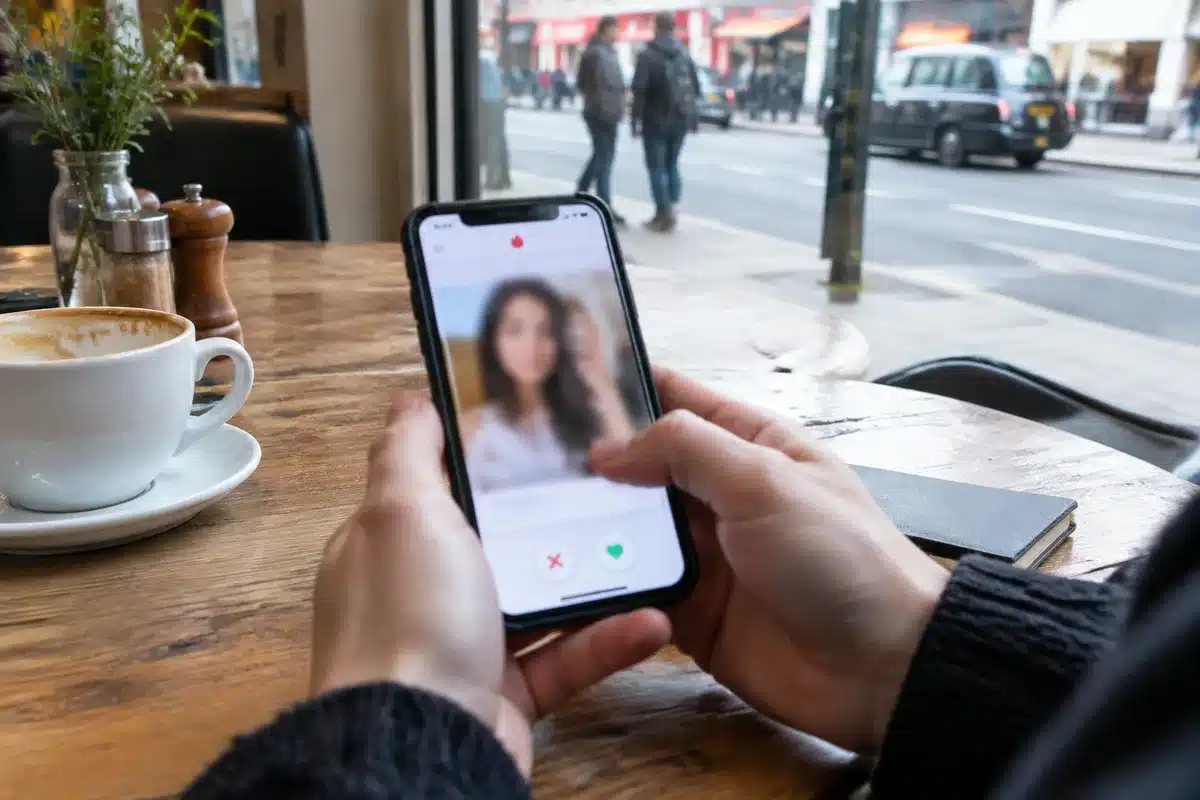
The recent news of Grindr’s £26m settlement has pushed privacy back into the spotlight for millions of daters. Experts say this is a wake-up call. People should rethink what they share on apps that promise connection but collect and trade data. Below, specialists explain the real risks and give clear steps to keep intimate details private.
Why the settlement changes the dating-app conversation
The settlement highlights how personal data can be exposed even on platforms built for intimacy. Regulators, reporters, and privacy advocates have all raised alarms. Users now face a sharper choice: enjoy convenience or protect private life.
Drakeo the Ruler’s estate settles after fatal stabbing
Lil Baby linked to NFL star shooting: police reveal whether he’s connected
- Data leakage is real. Companies may share location, profile fields, and metadata with third parties.
- Reputational harm. Sensitive information can reach employers, family, or the public.
- Legal protections vary. Privacy laws differ by country and may not prevent data sales.
Think twice before posting sexual health information
Discussing sexual health can be honest and important. But broadcasting test results or HIV status on profiles raises long-term risks.
- A public health disclosure can be copied, screenshot, and shared.
- Profiles live beyond a single conversation. Old posts may resurface.
- Some apps log profile changes. These logs can be accessed by third parties.
Expert tip
When you disclose health details, do it privately and directly with a trusted partner. Use encrypted messaging or meet a clinician for verification.
Photos, location tags and hidden metadata you might miss
Images reveal more than faces. Cameras embed metadata. Photos show landmarks, street signs, or reflections that reveal your routine.

- Remove geotags before uploading.
- Avoid photos taken at home or work.
- Crop or blur unique background details.
Never assume an app strips metadata. Test your uploads and use privacy tools to scrub EXIF data.
Personal contact info and social accounts: where to draw the line
Linking social profiles speeds trust. It also opens another channel for data aggregation. Emails and phone numbers can be sold or targeted.
- Use a separate email for dating apps.
- Consider a secondary phone number or a verified app number.
- Delay sharing social media until you know someone well.
Privacy-minded alternatives
- Use in-app voice or video before moving to other platforms.
- Create a simple, anonymous handle instead of your full name.
Sexual preferences and kink details: privacy implications
Sharing sexual preferences builds compatibility. But explicit details can be weaponized. Screenshots or scraped profiles may follow you off-platform.
- Share sensitive interests only after consent is clear.
- Prefer private chats and avoid permanent profile fields for this info.
- Ask how the other person handles digital privacy before sending explicit content.
Payment info, subscriptions and hidden trails
Purchasing premium features leaves financial traces. Payment processors and receipts can connect your real identity to app usage.
- Use privacy-friendly payment methods where possible.
- Check billing descriptors that appear on bank statements.
- Review what data the app links to your payment token.
Smart account settings and regular privacy audits
Most apps include controls you may never open. Adjust them now. Small changes can limit profile visibility and data sharing.
- Turn off location sharing where possible.
- Limit profile fields to essentials.
- Opt out of data-sharing or targeted advertising if offered.
- Delete old accounts you no longer use.
How to communicate sensitive topics safely
Framing matters. Approach intimate conversations with boundaries and digital caution.
- Ask for consent before sharing personal health details.
- Use ephemeral messaging for highly sensitive exchanges.
- Verify partners through a brief video call before meeting.
Clear boundaries reduce risk. State what you are comfortable sharing and how you expect privacy to be respected.
When to report, delete or seek professional help
If you suspect data misuse, act quickly. Reporting can limit further exposure and trigger investigations.
- Report abusive or doxxing behavior to the app immediately.
- Document evidence with timestamps before deleting content.
- Contact privacy regulators or legal counsel for serious breaches.
Many sexual-health professionals now advise combining medical guidance with digital-safety practices. That dual approach protects both body and reputation.