
Show summary Hide summary
- Why adults are returning to toys and play
- How playing with toys can engage the adult brain
- How adults learn to see play as “unproductive”
- Why playful time can support creativity
- Simple ways to make room for play as an adult
- What a more playful adult life can offer
- Hear more about the science of play
In a toy shop crowded with Labubu figures, Funko Pops and plush toys shaped like pastries, the most striking sight was not the shelves. It was the adults browsing them. Their enthusiasm reflects a growing market for “kidults”—grown-ups who still find joy in toys—and a simple truth about play: our brains do not outgrow it.
Why adults are returning to toys and play
The global toy industry is projected to be worth more than $130 billion this year. Recent US sales figures also suggest that adults without children are buying more games and toys than households with kids. Collectibles and character merchandise may be visible signs of the trend, but the appeal reaches beyond collecting.
Mia Sundstrom, CEO of the National Institute for Play, says the impulse to play is rooted in the brain and remains with us throughout life. Society may treat play as something children eventually leave behind, she told Vox, but the underlying drive does not disappear.
KATSEYE postpones another concert: illness details remain undisclosed
Cupertino: a stylish legal drama packed with tech twists
That leaves many adults looking for ways to bring back an activity they once enjoyed without needing a goal, a schedule or a practical payoff. Sundstrom discussed the role of play in the latest episode of Explain It to Me, Vox’s weekly call-in podcast.
How playing with toys can engage the adult brain
Adults can retain some of the benefits children get from play, Sundstrom explained. One reason is the close connection between the hands and the brain. Manipulating toys and objects involves fine motor movements that activate networks linked to thinking, emotions and attention.
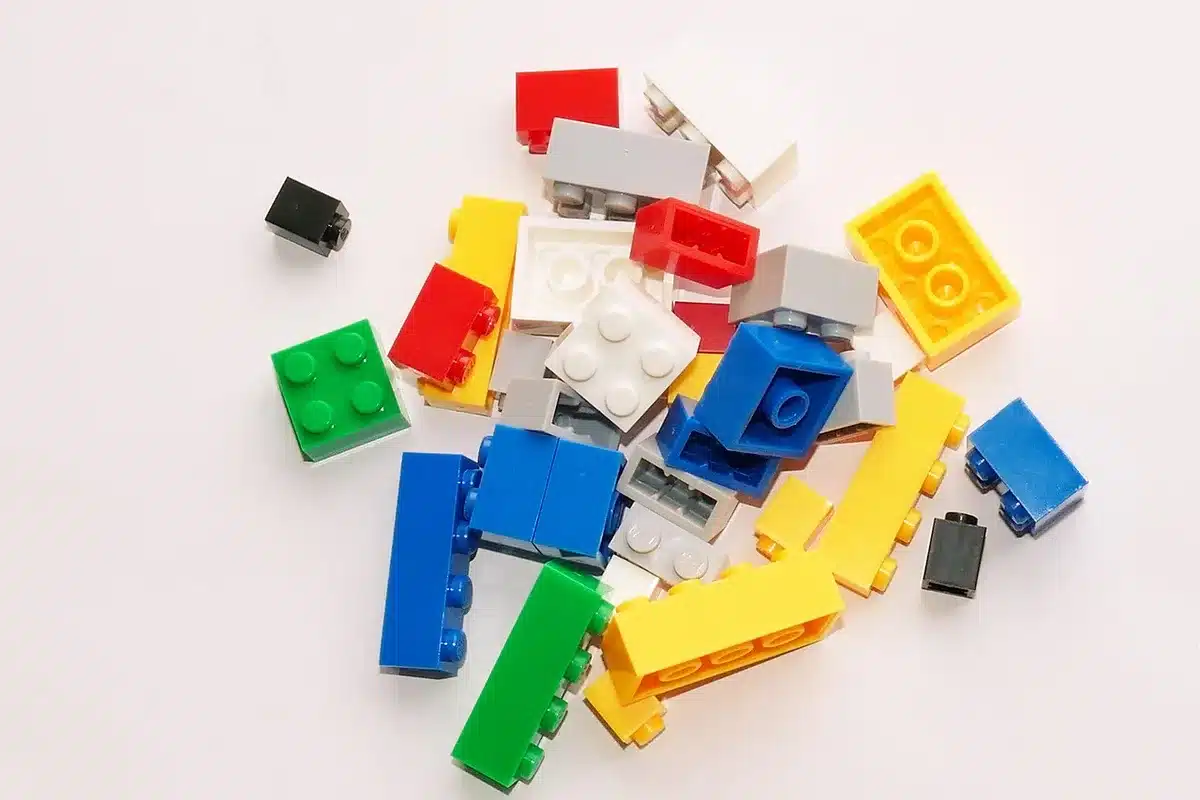
That kind of activity differs from passive screen time. When people build, sort, move or shape objects, they use their hands while their minds respond to what is happening. Trying something unfamiliar can also invite experimentation, including the freedom to make mistakes.
Those experiences may encourage the brain to form new neural pathways. Because the brain can adapt throughout life, play is not only a childhood activity. Adults can continue to benefit from opportunities to explore and learn through it.
Play may help the body move out of stress mode
Sundstrom also points to the amygdala, a brain region involved in emotional processing and the stress response. In a playful state, she said, activity in this system can settle, helping reduce stress, anxiety and emotional defensiveness.

That contrast matters for people whose downtime is often spent scrolling. Social media can leave users feeling more drained or tense, rather than refreshed. Playing with a toy offers a different kind of attention: it gives the mind something concrete to do and can make space for a calmer emotional state.
Play does not erase difficult circumstances or solve every source of stress. But it can offer a restorative pause, especially for people who find it hard to relax during an otherwise busy day.
How adults learn to see play as “unproductive”
Many people start hearing that toys and unstructured play are no longer appropriate when they reach their teenage years. Free time can gradually be judged by whether it helps with a future career or another measurable goal.
Activities such as building with Lego, collecting objects or inventing imaginary worlds may then give way to more structured pursuits. Parents often make that change with good intentions, replacing open-ended play with organized sports or other scheduled activities.
But when every activity has an external target, the motivation to do something for its own sake can fade. Sundstrom says that shift can contribute to burnout. Play, by contrast, gives people room to follow curiosity without needing to prove that the time was useful.
Why playful time can support creativity
In a culture focused on productivity, play can sound like an optional hobby. Sundstrom argues that it may be more valuable than that. People often come up with ideas while doing something relaxed and absorbing, rather than while tackling emails at a desk.
For many, the shower is a familiar place for fresh thoughts. Playing with toys is another setting where the mind can make unexpected connections. The activity creates a break from direct problem-solving, giving ideas room to develop.
That can be difficult to fit into a schedule built around work, errands and constant demands. Yet treating play as wasted time overlooks the way it can support imagination, attention and emotional wellbeing.
Simple ways to make room for play as an adult
Relearning how to play does not have to mean buying a particular toy or setting aside a long block of time. Sundstrom suggests starting with memories of how play felt in childhood, before outside expectations began to shape what counted as worthwhile.
It also helps to notice that people have different play styles. Some may enjoy assembling a Lego set, while others prefer puzzles, board games, sports or collecting. The most useful activity is one that feels inviting rather than like another obligation.
- Recall a childhood activity that felt absorbing or fun.
- Choose a form of play that suits your interests, from puzzles to games or building.
- Keep a toy or other playful object somewhere visible and easy to reach.
- Begin with a brief moment, even 30 seconds to five minutes a day.
- Let the activity stay spontaneous instead of adding it to a performance checklist.
Putting playful objects in visible places can make them easier to choose instead of reaching automatically for a phone. Short moments can be enough to reopen the habit, Sundstrom said. Once people experience that enjoyment, they may begin spotting more opportunities to play.
That approach also avoids turning play into another productivity project. The point is not to master a skill, finish a challenge or make every minute count. It is to give curiosity and enjoyment a little space.
What a more playful adult life can offer
A playful outlook does not mean pretending that life is always easy. Sundstrom says play can provide a healthy way to express challenges and a broad range of emotions. It can be energetic, but it can also be quiet and low-key.
Making room for play may help people feel more connected to themselves, she said. That sense of connection can also make it easier to relate to others and build meaningful relationships.
In a world shaped by technology and constant digital demands, playful activities offer a way to engage with the people and objects directly around us. For Sundstrom, that human connection is part of why play can contribute to a more joyful society.
Hear more about the science of play
Sundstrom’s comments are drawn from a conversation on Explain It to Me, Vox’s weekly call-in podcast. The full episode is available on Apple Podcasts, Spotify and other podcast platforms.
Listeners can send questions to askvox@vox.com or call 1-800-618-8545.