
Show summary Hide summary
- Why new hobbies catch on after 30
- Unexpected interests that frequently win fans over 30
- How these hobbies reshape routines and relationships
- Why an unexpected hobby can be especially addictive
- Tips for trying something new after 30
- Stories people share about falling in love with a hobby
- Where to find inspiration and community
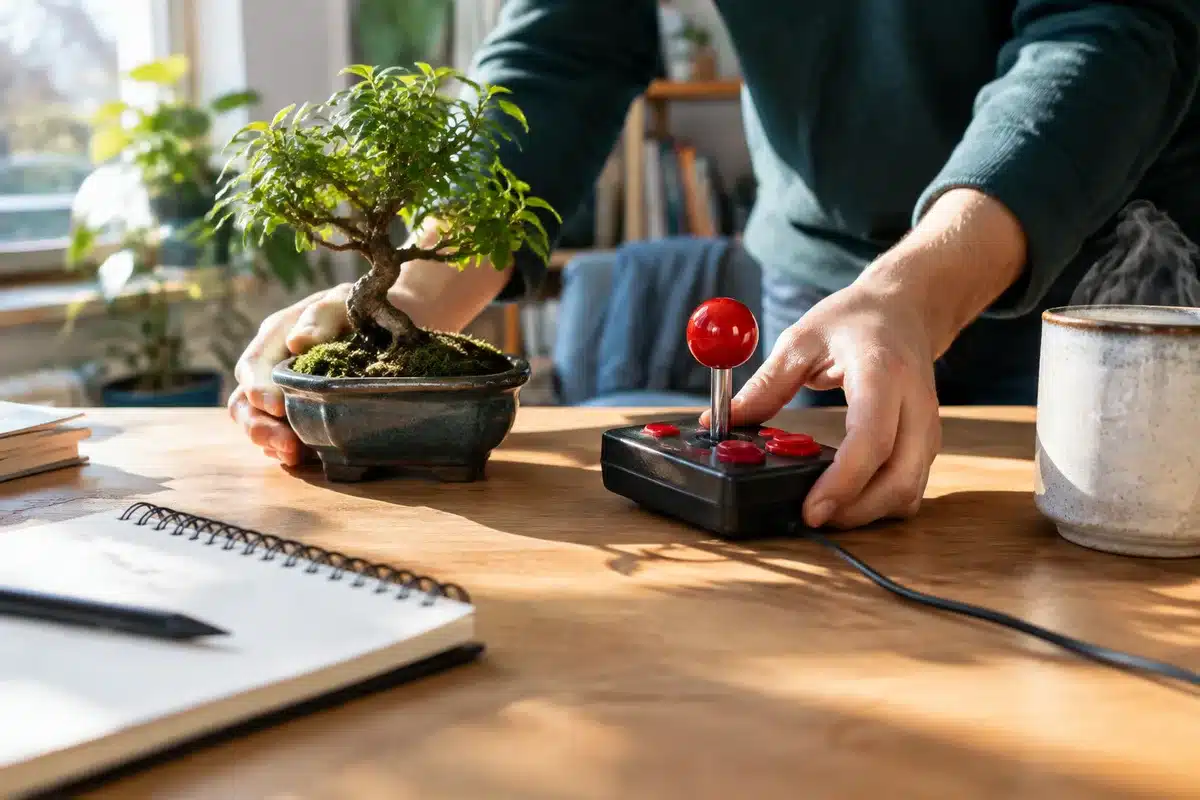
People in their thirties and beyond are discovering hobbies that surprise them — and their friends. From the quiet concentration of bonsai to the loud joy of retro arcade hunting, these pursuits are reshaping free time and identity. Readers who think hobbies are for the young will find stories of reinvention, small rituals, and unusual obsessions worth exploring.
Why new hobbies catch on after 30
As routines stabilize, adults gain both time and curiosity. Work skills translate to creative pursuits. Parenting or caregiving can spark simple, portable activities. Some look for stress relief; others hunt for community.
KATSEYE postpones another concert: illness details remain undisclosed
Cupertino: a stylish legal drama packed with tech twists
- Life experience makes choices sharper. People know what they like and what to avoid.
- Financial stability often enables investment in gear or classes.
- Social media exposes niche interests and local groups.
Unexpected interests that frequently win fans over 30
What starts as casual often becomes a defining hobby. Here are the most common surprises people report.
Hands-on crafts and restoration
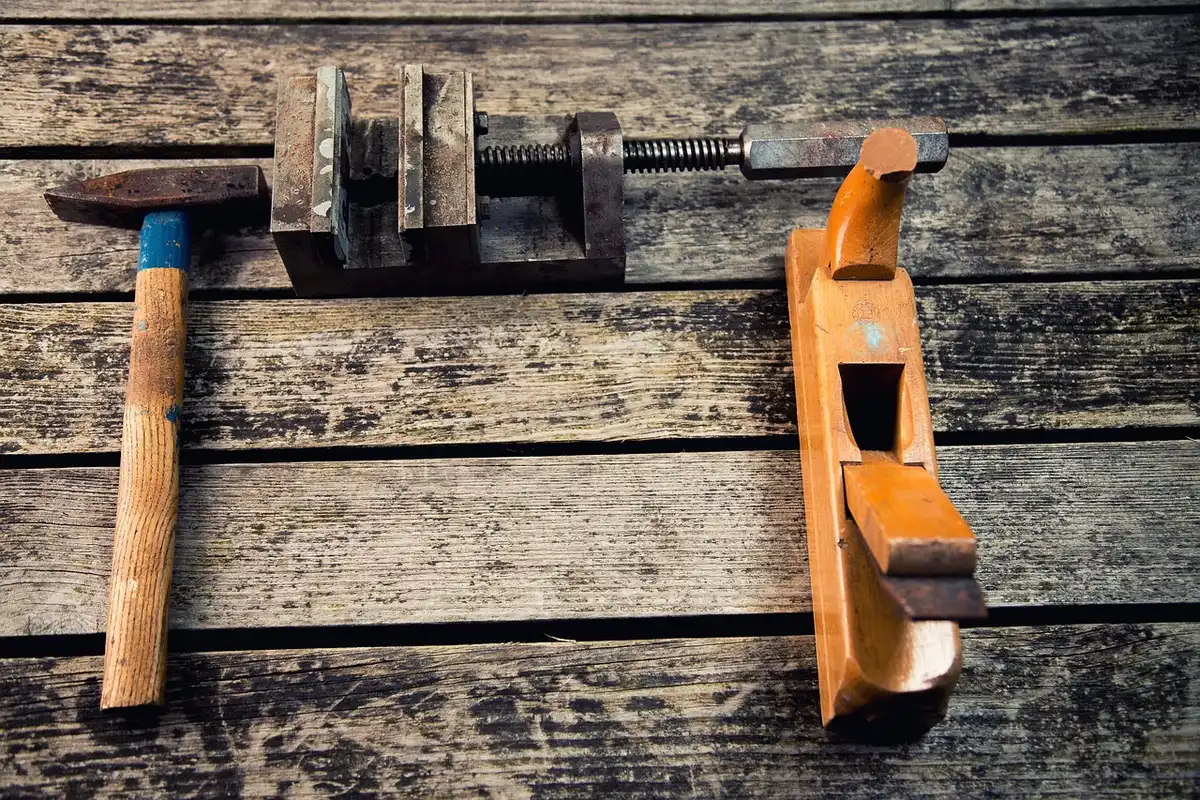
- Woodworking and furniture restoration — many cite a satisfaction in bringing an old piece back to life.
- Pottery and ceramics — tactile, calming, and rewarding when a form emerges.
- Upcycling clothes or thrifting to craft a unique wardrobe.
Food, fermentation, and baking
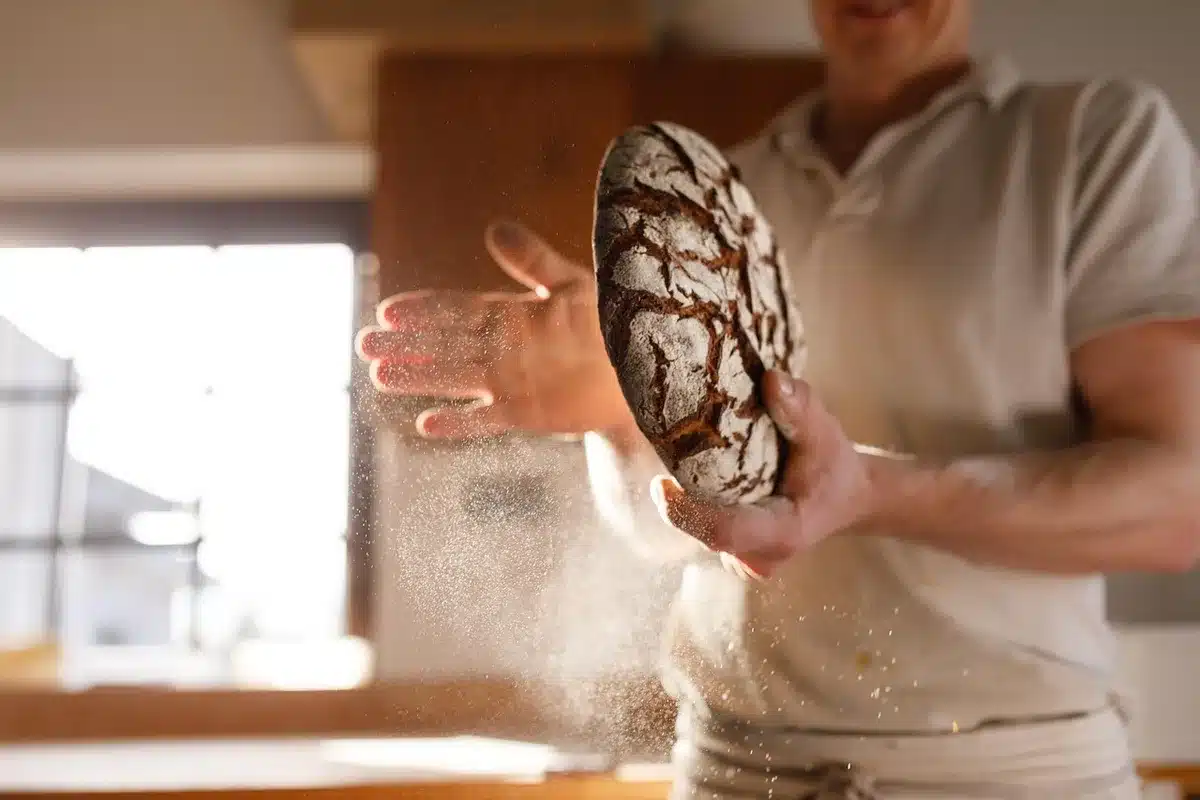
- Sourdough and bread baking became a pandemic-era passion for many.
- Home brewing and fermenting — kombucha, kimchi, and pickles create small experiments every week.
- Specialty coffee and latte art offer ritual and skill development.
Physical activities with unexpected appeal
- Trail running and hiking — the outdoors becomes both clubhouse and gym.
- Climbing gyms — problem-solving on the wall hooks a lot of new converts.
- Dance classes of all styles — social, physical, and great for mood.
Quiet, absorbing hobbies
- Birdwatching and nature journaling — observation turns into a quiet obsession.
- Gardening, including urban balcony projects and edible gardens.
- Puzzle hobbies: crosswords, Sudoku, and mechanical puzzle boxes.
Games, tech, and maker culture
- Tabletop gaming and D&D — many adults rediscover storytelling and strategy.
- Retro gaming and console collecting — nostalgia meets design interest.
- 3D printing, electronics, and hobby coding for practical home projects.
How these hobbies reshape routines and relationships
New passions often ripple outward. They change weekends, social circles, and how people speak about their free time.
- Hobby groups become new social networks. Meetups and classes create real friendships.
- Skills learned carry into household life and even careers.
- Hobbies offer stress relief and improve mental focus.
Why an unexpected hobby can be especially addictive
Certain elements make a pastime sticky. Understanding them helps explain the sudden intensity people report.
- Clear feedback loops — you see progress fast.
- Tangible outcomes — a loaf, a chair, a photo gallery.
- Community validation — sharing results online or in groups boosts commitment.
Tips for trying something new after 30
Starting later has benefits. Use them to experiment without pressure.
- Start cheap: borrow tools or take a one-off class.
- Look for local groups or online forums for beginners.
- Set small goals to maintain momentum.
- Allow the hobby to be imperfect at first; most skills grow through mistakes.
Stories people share about falling in love with a hobby
Short examples show how ordinary moments trigger lasting interests.
- A parent fixing a broken chair discovers woodworking and starts selling pieces online.
- A commuter takes a weekend photography class and now shoots cityscapes every month.
- Someone learns to bake to cope with stress and ends up teaching friends to knead dough.
Where to find inspiration and community
Resources are only a click or a walk away. Finding the right entry point reduces friction.
- Local community centers and adult education classes.
- Social apps and dedicated forums that match hobbyists by interest and location.
- Workshops, pop-up events, and maker spaces for hands-on trials.










