Show summary Hide summary
For Sara Reinis’s first Friendsgiving, the menu included mashed potatoes, pie and a cake decorated with a cheeky holiday greeting. The Brooklyn gathering drew dozens of guests, turned a small apartment into a lively dinner party and offered a less formal alternative to Thanksgiving with relatives. First published in 2018 and republished for the 2026 holiday season, the story traces how Friendsgiving became a familiar fall tradition.
A Thanksgiving dinner with friends, not formalities
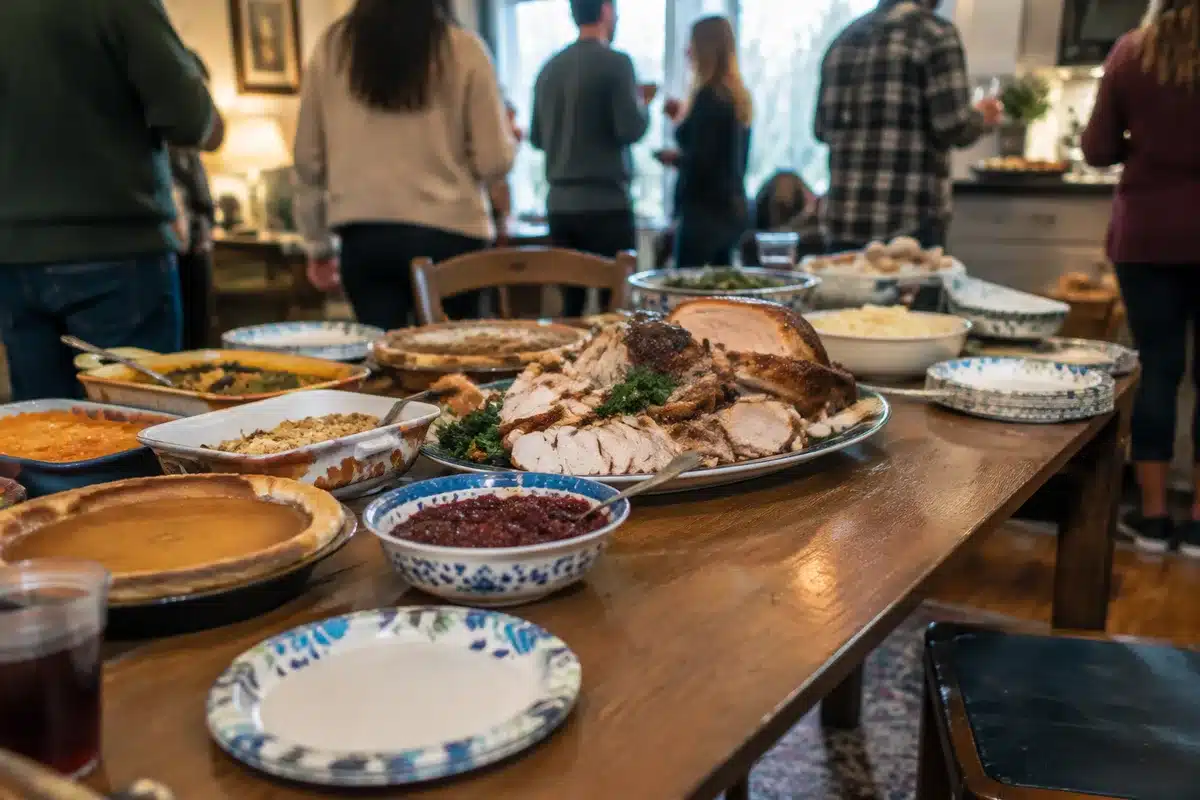
Reinis, then a 26-year-old creative strategist at Vox Media, hosted the potluck at her Brooklyn apartment in 2017. Between 30 and 40 people came by, and several brought food from the Whole Foods hot bar. The cake’s frosting read, “Gobble gobble, bitch.”

The event landed somewhere between a house party and a traditional Thanksgiving meal. Reinis described the idea as swapping the usual party snacks for dishes such as mashed potatoes and pies.
KATSEYE postpones another concert: illness details remain undisclosed
Cupertino: a stylish legal drama packed with tech twists
The evening was crowded and noisy, but it also felt warm and personal. Some guests stayed to help tidy up, while others headed out dancing. A few visitors left their serving dishes behind, giving Reinis an unexpected collection of new dishware.
For someone living in New York, where home-cooked meals with a large group can be uncommon, the chance to share food made the gathering feel especially intimate.
How Friendsgiving became a holiday-season fixture
Friendsgiving gives people a chance to celebrate with their chosen circle, often in the days before Thanksgiving. It can be a relaxed break from family travel, complicated holiday plans and the conversations that come with returning home.
Celebrating Thanksgiving with friends is older than the word itself. Merriam-Webster has traced the earliest known uses of “Friendsgiving” to online posts from 2007. Despite the obvious connection, the term did not originate with the television sitcom Friends.
The word gained broader attention in 2011, helped by a Bailey’s Irish Cream advertising campaign and an episode of The Real Housewives of New Jersey. In the episode, Teresa hosts a Friendsgiving celebration of her own.
By 2013, BuzzFeed had published a list of 17 suggested Friendsgiving rules. The following year, the Washington Post covered the gatherings, describing them as a fit for people who could not—or did not want to—travel home for Thanksgiving.
The tradition appeared particularly suited to cities, where many residents live far from their families. One Washington, DC, participant told the Post that friends often became the people available to celebrate with when going home was not possible.
For others, a friends’ dinner came with fewer restrictions than a family gathering. One attendee welcomed being able to drink without worrying about a long drive afterward.
Why friendship plays a bigger role in the holidays
Changing ideas about relationships and family may help explain Friendsgiving’s appeal. Stephanie Coontz, then director of public education at the Council on Contemporary Families, pointed to the later age at which many people marry.

As marriage happens later, friendships can occupy a more central place in people’s lives. Coontz contrasted that with advice books from the 1950s and 1960s, which often urged wives to put their husbands first and warned against friendships competing with marital duties.
Maintaining close friendships can also matter when relationships change. Coontz said people may recognize the value of having a strong social network, including if they later go through a divorce.
That broader view of family can make a holiday meal with friends feel meaningful, whether it replaces a family celebration or adds another gathering to the calendar. Friendsgiving also gives hosts more choice over whom they invite, without the same pressure some people feel to include difficult relatives.
The debate over what a potluck says about money
Not everyone sees the trend as an uncomplicated celebration of friendship. A piece in The Atlantic raised a more pessimistic interpretation, linking Friendsgiving to the financial pressures facing millennials.
Writer Ashley Fetters cited author Malcolm Harris, whose book Kids These Days: Human Capital and the Making of Millennials examines the forces shaping younger adults’ lives. Harris argued that the cheerful name can disguise a more serious reality: a potluck may reflect lower incomes and living standards, rather than simply a new holiday preference.
He framed Friendsgiving as a sign of wage stagnation, suggesting that a casual shared meal should not be mistaken for an equivalent to the more elaborate Thanksgiving celebrations many people associate with earlier generations.
Who cleans up after the Friendsgiving feast?
Some of the holiday’s most familiar tensions are less economic and more practical. In a letter to Slate’s Dear Prudence column, one reader asked what to do when women take charge of cleaning while male guests sit around drinking beer.
The advice was to speak up in a friendly but direct way and point out the uneven pattern. A shared meal, after all, can also mean sharing the work that follows it.
At Reinis’s 2017 gathering, the bigger cleanup challenge was not a pile of dishes. The next day, she had to wipe mashed potatoes off the wall.