Show summary Hide summary
- Playing a Bronx pawn shop owner: a fresh slice of New York life
- Old alliances and new scenes: working with John Turturro again
- Coen brothers, character choices and comic instincts
- On location: Easter Island, wild horses and a remote shoot
- From Engine 55 to the stage: how firefighting shaped his start
- Keeping his stage life quiet at the firehouse — and how colleagues reacted
- Returning after 9/11: reconnecting with Engine 55 and Ground Zero
- Long career, varied roles and a steady New York identity
Steve Buscemi still calls New York home, but a recent read of the script for The Only Living Pickpocket in New York pulled him into a corner of the city he’d rarely visited. The role sent him into pawn shops, subway underworlds and a character study that rekindled old collaborations and new surprises. He talks about the film, his longtime friendships in the industry, his years as a city firefighter, and a recent shoot on a remote Pacific island that left a lasting impression.
Playing a Bronx pawn shop owner: a fresh slice of New York life
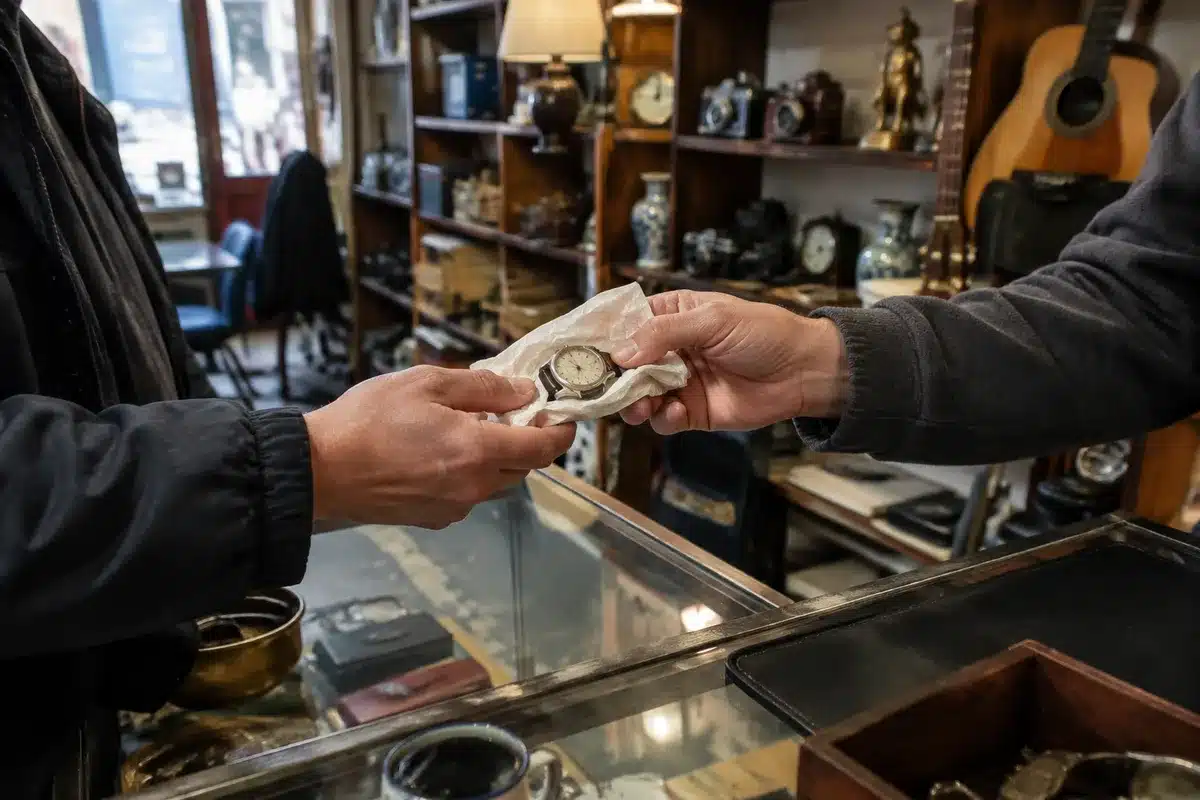
In the new film, Buscemi takes on the part of a pawn shop operator who becomes entangled in a scheme to move stolen goods. The setup pushed the actor into settings he admits he doesn’t frequent. He found himself learning the lingo, habits and rhythms of pawnbrokers to ground the performance.
KATSEYE postpones another concert: illness details remain undisclosed
Cupertino: a stylish legal drama packed with tech twists

The role demanded a practical curiosity. Buscemi says his lack of firsthand experience in pawn shops became an asset. He approached the character by watching, asking questions and letting small details inform the choices on screen.
How he prepared
- Shadowing local shop owners and studying how transactions occur.
- Discussing the character’s backstory with the director and co-stars.
- Focusing on gait, small gestures and the economy of speech to create authenticity.
Old alliances and new scenes: working with John Turturro again
Buscemi and John Turturro share a history that stretches back decades. Their early connection dates to the Coen brothers’ Miller’s Crossing, and in the 1990s they found themselves as neighbors in Park Slope, Brooklyn.
That proximity fed a professional bond. Over the years they have returned to collaborate, each bringing trust and familiarity to new projects. Buscemi says being near a colleague he admired felt reassuring and creatively stimulating.
Coen brothers, character choices and comic instincts
Buscemi’s career includes multiple turns in Coen brothers films — parts that often allowed him to access both comedy and menace. He remembers the audition room with the Coens as an environment where making the directors laugh was a positive sign.
When asked about one role known for its unusual physical qualities, he described testing ideas with the filmmakers. They favored subtlety over spectacle, and Buscemi chose to land the performance without heavy prosthetics or major makeup changes.
His approach highlights a principle: small, truthful details can create memorable characters without overwrought effects.
On location: Easter Island, wild horses and a remote shoot
Away from New York, Buscemi recently filmed Martin McDonagh’s Wild Horse Nine. The production took him to Easter Island, a remote setting that offered striking visuals and unexpected work moments.
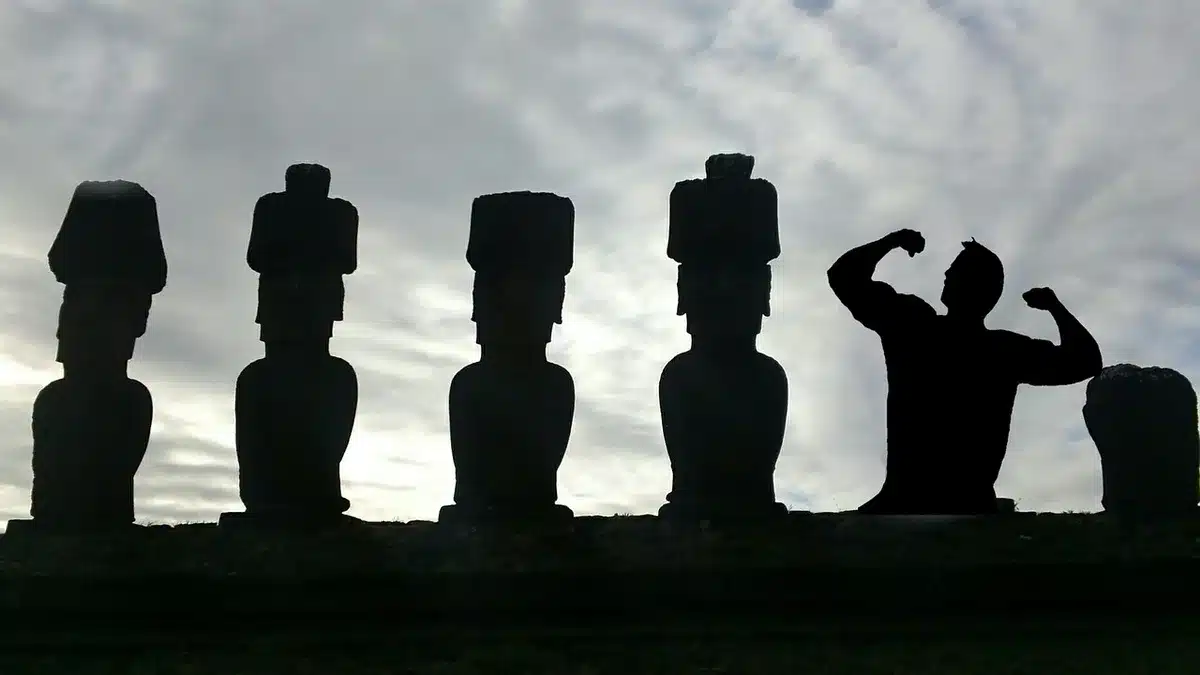
The island’s Moai statues became a ritual for Buscemi and his wife. They rose early to watch the sun illuminate the stone figures and returned at sunset to see the heads silhouetted against the sky. The sight, he says, was unforgettable.
Another surprise: the horses on the island. Buscemi recalls them roaming freely and described the experience of seeing animals truly untethered as unlike any other filming location he’s known.
From Engine 55 to the stage: how firefighting shaped his start
Before his acting career took off, Buscemi spent years with the New York City Fire Department. He trained, took the tests and worked shifts that demanded physical and mental toughness.
Family influence nudged him toward public service and, eventually, toward acting lessons. His father, familiar with civil service opportunities, encouraged practical training early on. That guidance helped Buscemi enroll in formal acting classes that set the foundation for his later work.
Training and early choices
- He completed an intensive course of classes, including voice and movement.
- A settlement received after a childhood accident funded his first car and helped pay for lessons.
- He balanced daytime duties with evening performances as he transitioned careers.
Buscemi credits the structure of the firehouse with giving him discipline and a community while he explored acting on the side.
Keeping his stage life quiet at the firehouse — and how colleagues reacted
For a time, Buscemi kept his acting pursuits under wraps at the firehouse. His quiet demeanor there made the revelation surprising to coworkers when another firefighter-actor inadvertently revealed his double life.
Once teammates discovered his performances, the reaction shifted from incredulity to support. They came to shows, enjoyed his stage work and even cheered him on, though teasing advice about not leaving the fire department for acting lingered.
Performing at firefighter gatherings helped him loosen up. Buscemi remembers doing comic set pieces at parties, using humor to bridge the two worlds.
Returning after 9/11: reconnecting with Engine 55 and Ground Zero
The attacks of Sept. 11 reconnected Buscemi with the fire company he’d left years earlier. Several members of Engine 55 were lost that day, and the event drew him back to the site and to former colleagues.
He brought his turnout gear and volunteered at Ground Zero. The work was a painful reunion with people and a profession that had shaped his young adulthood.
He describes the experience as bittersweet: horrendous circumstances that nevertheless restored a bond with the FDNY and reopened relationships with men he had served alongside.
Long career, varied roles and a steady New York identity
Across more than a hundred credits in film and television, Buscemi has moved between indie dramas, major studio comedies and character parts that leverage the city’s texture. His New York upbringing and his days as a firefighter remain woven into the roles he chooses.
Whether playing small-time operators in urban dramas or traveling to distant islands for sprawling productions, he brings a consistent attention to detail and lived experience that informs his work.
What drives his choices now
- Collaborators he trusts and respects.
- Characters rooted in place and community.
- Projects that let him combine humor with deeper emotional notes.
Those elements continue to guide him as he balances stage, screen and the memories of a life lived on New York’s streets and in its firehouses.