Show summary Hide summary
- Setting the scene: spies, Chile 1973, and an unexpected island escape
- Characters at the center: Chris and Lee, and the strange bond between them
- How the film uses repetition to build meaning
- Supporting players and moments that pop
- Cinematography and tone: nature versus control
- Writing and direction: McDonagh’s voice, sharpened and familiar
- Key scenes and motifs to watch for
- Why the film will spark discussion among cinephiles
- Release details and festival circuit notes
Martin McDonagh returns with a film that feels both familiar and oddly new: a bitter, witty dark comedy that sends two weary operatives to a remote paradise as old loyalties and new dangers close in. Wild Horse Nine mixes sharp dialogue, uneasy friendship, and moral rot, leaving viewers to chuckle and squirm in equal measure.
Setting the scene: spies, Chile 1973, and an unexpected island escape
The story opens in Santiago days before the 1973 coup. Two CIA operatives, the seasoned Chris and his younger partner Lee, have been stirring political trouble. Rather than lay low in anonymity, they decamp to a far-off place to clear their heads.
Beastie Boys reunion: Ad-Rock and Mike D spark nostalgia on The Daily Show
Wu-Tang Clan hailed by Chris Rock as top of the top after Rock Hall induction
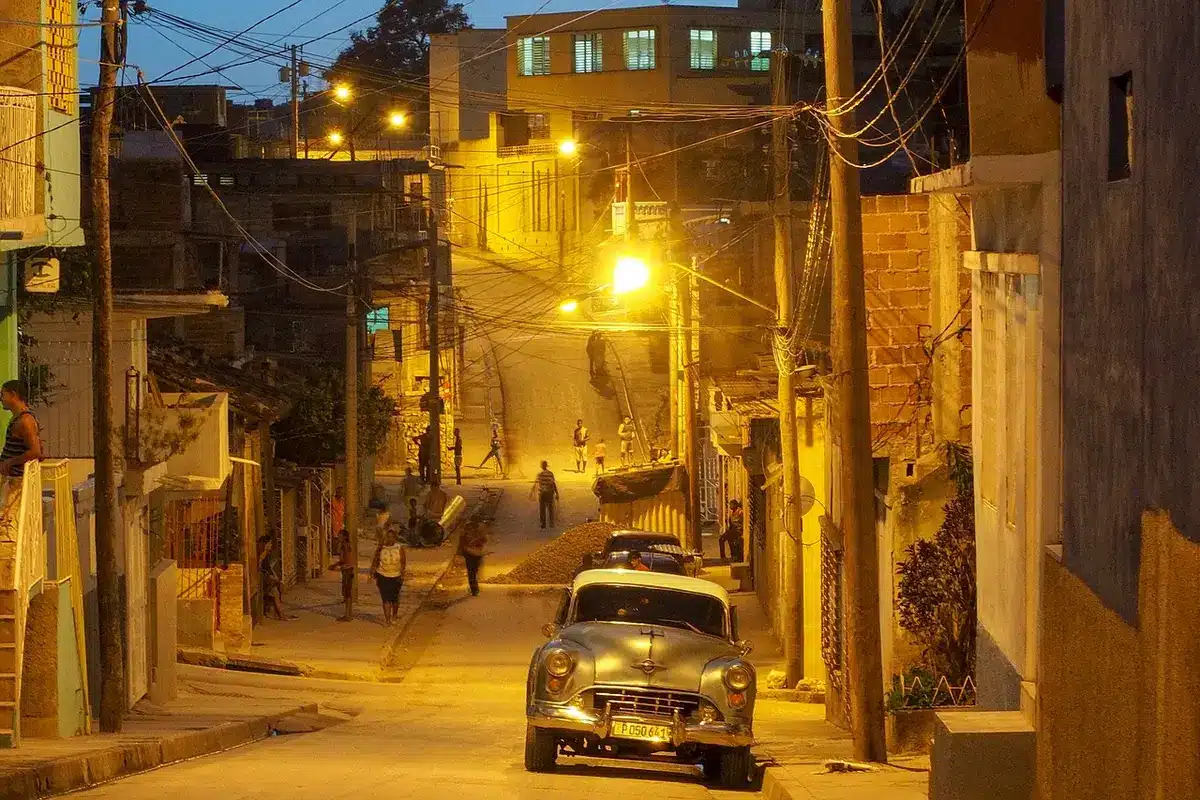
This getaway is to a volcanic isle famed for giant stone figures. The choice is deliberate. The location becomes more than a backdrop: it’s a mirror for the characters’ arrogance, regrets, and the consequences of power played out on a grand, stone-faced scale.
Characters at the center: Chris and Lee, and the strange bond between them
John Malkovich and Sam Rockwell anchor the film with a volatile, oddly tender partnership. Chris is loud, abrasive, and unapologetically American in his worldview. Lee alternates between loyalty and worry.
- Chris: a veteran operator who knows too much and seems ready to accept whatever comes next.
- Lee: younger, protective, and visibly grappling with the gap between duty and conscience.
Their dynamic fuels both the comedy and the drama. Scenes shift quickly between gallows humor and quiet moments that suggest deeper regret. That tonal swing is a McDonagh signature, here played out through two actors who relish the sharp edges of the script.
How the film uses repetition to build meaning
Wild Horse Nine deliberately echoes scenes and ideas from McDonagh’s earlier work. Those echoes do more than mimic. They create a sense of pattern, like a motif repeated in music until it reveals a hidden cadence.
These repetitions show up in three ways:
- Performance rhythms — familiar cadences and comic timing from actors who have worked with McDonagh before.
- Thematic echoes — violence, regret, and the strange intimacy between killers and their keepers.
- Cinematic callbacks — moments that will tug at cinephiles who recognize past roles and genre signposts.
Seen through this lens, the film asks us to consider how careers and histories loop back. The familiar beats do not feel lazy. They act like echoes that sharpen the movie’s meditations on memory and consequence.
Supporting players and moments that pop
McDonagh surrounds his leads with a cast that colors the world with outrage, absurdity, and small unexpected tenderness.
- Steve Buscemi plays a hard-edged superior who makes it clear Chris is running out of leeway.
- Parker Posey appears as a brittle domestic counterpoint to the fieldwork and chaos.
- Tom Waits contributes a brief but potent presence that adds texture and an almost mythic feel.
- Two young actors who portray local college students provide vitality and contrast to the older operatives.
These supporting turns sharpen the film’s tonal shifts. Comedic high notes hit harder because the drama feels immediate and lived-in.
Cinematography and tone: nature versus control
Ben Davis’ lens treats the island like an indifferent witness. Wide, painterly frames place human vanity against strong, untamed landscape. Rocking camera moves and quiet, observational shots create an uneasy balance.
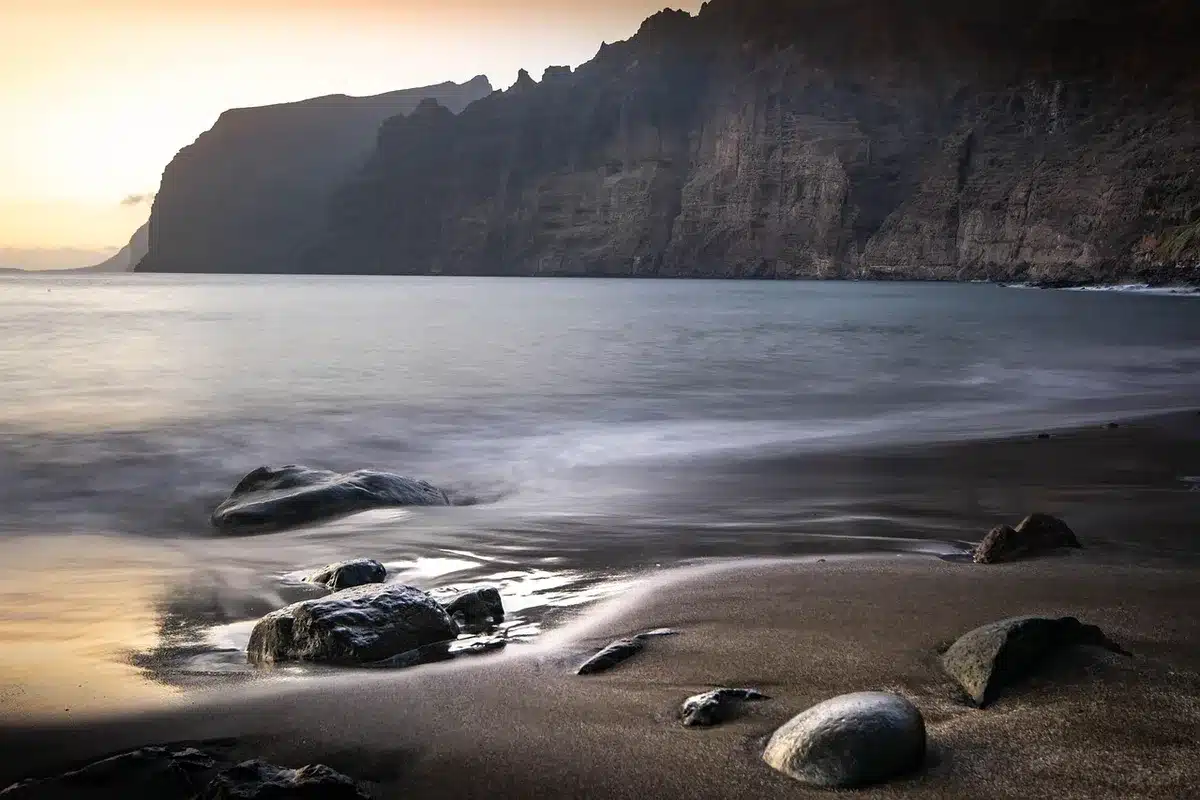
The visual language suggests a conflict between the operatives’ desire to dominate and the island’s indifference to human schemes. That contrast feeds the film’s dark humor.
Writing and direction: McDonagh’s voice, sharpened and familiar
McDonagh’s script mixes acidic jokes with bleak ruminations. The dialogue snaps and fizzes, often landing in unexpected places. At times the movie feels like a remix of his earlier themes. At other moments it stands on its own, asking questions about culpability and the weight of looking back.
The director uses repetition not as a crutch but as a tool. Reused motifs and character types acquire new resonance in this setting. The result is a film that rewards both first-time viewers and those who follow McDonagh’s oeuvre closely.
Key scenes and motifs to watch for
- The opening political maneuvers in Santiago that set the stakes.
- Moments of confrontation between Chris and locals that reveal his cynicism.
- Sequences where the island’s wild horses appear, serving as symbolic flashes.
- Intimate exchanges between Chris and Lee that reveal loyalty strained by knowledge.
Why the film will spark discussion among cinephiles
Viewers who love tracing cross-film connections will find plenty to dissect. Echoes of previous roles, tonal kinship with American dark comedy, and the casting chemistry all invite repeat viewings.
Questions likely to surface include whether McDonagh is reflecting on his own career, and how repetition functions as a thematic device rather than mere homage.
Release details and festival circuit notes
Wild Horse Nine premiered at the Toronto International Film Festival. Critics noted the film’s potent mix of humor and melancholy.
Theatrical release is set for Nov. 6. Audiences can expect a film that is at once entertaining and disquieting, one that keeps tugging at the seam between comedic impulse and moral unease.