Show summary Hide summary
- From a federal road to the “Mother Road”: the early years and migration
- How music and media fixed Route 66 in popular imagination
- Roadside Americana: motels, diners and the memorable stops
- Photographs and literature that shaped public view
- Decline and comeback: decommissioning, rediscovery and preservation
- Modern Route 66: why people still travel it and what they’ll find
- People who keep the story alive
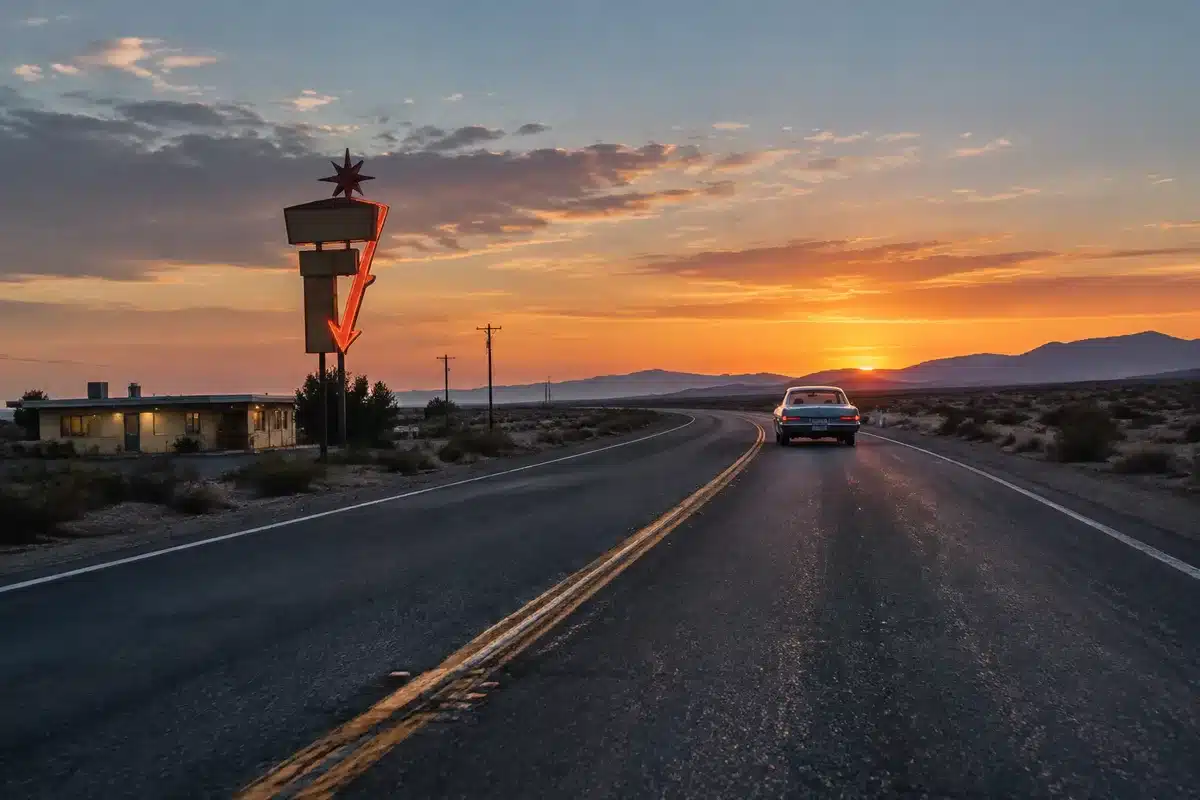
One hundred years after it first appeared on maps, Route 66 still invites travelers to hit the open road. From Chicago’s skyline to the Pacific coast, the highway remains a living symbol of American travel, nostalgia and roadside culture.
From a federal road to the “Mother Road”: the early years and migration
Built in 1926, the route stitched together towns across eight states. It quickly became a primary corridor westward.
KATSEYE postpones another concert: illness details remain undisclosed
Cupertino: a stylish legal drama packed with tech twists
During the 1930s, the Great Depression and the Dust Bowl forced thousands from their farms. Many followed Route 66 toward California in search of work and hope.
Photographers, writers and historians documented that migration. Government photographers captured families piled into tired cars. Novelist John Steinbeck immortalized the journey, calling it the Mother Road.
How music and media fixed Route 66 in popular imagination
The highway’s image was cemented by songs, television and film.
Key cultural moments
- Bobby Troup wrote a jaunty song in 1946 that many artists later covered.
- Radio and TV amplified the route’s mystique, including a 1960s show about two young travelers.
- Films like Easy Rider and later family animation put the road on new generations’ radars.
Across decades, artists from Nat King Cole to contemporary bands kept the chorus alive. Popular culture turned pavement into myth.
Roadside Americana: motels, diners and the memorable stops
What makes Route 66 feel like Route 66 is the roadside spectacle.
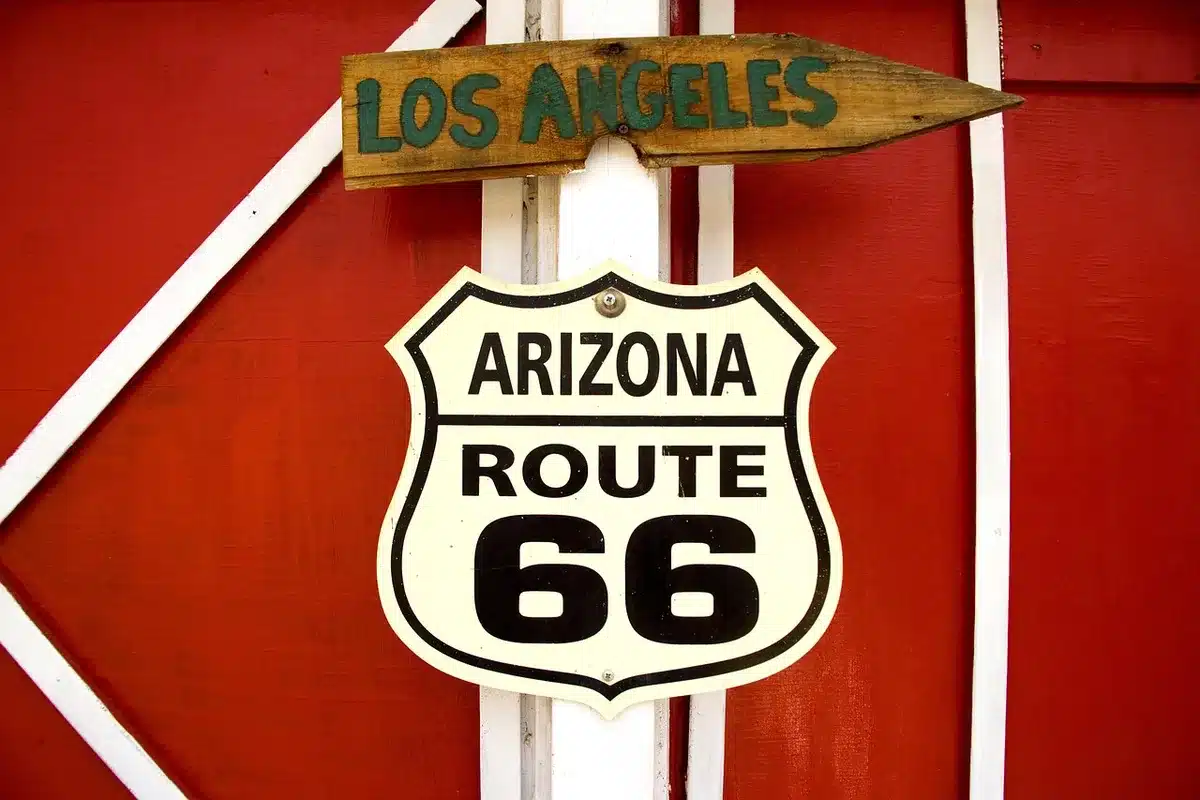
- Retro diners serving fast, affordable food.
- Neon signs and motels with vintage neon marquees.
- Kitschy attractions, from giant statues to themed museums.
- Ghost towns and small “cow towns” that tell local stories.
Travelers still chase familiar place names: St. Louis, Amarillo, Gallup, Flagstaff and on to the California coast. Each town offers a different slice of American history.
Photographs and literature that shaped public view
Documentary photographers recorded migrants and makeshift camps along the road. Those images exposed harsh realities.
Writers and songwriters then layered narrative on top of those photos. The result was a powerful mix of empathy and myth.
Art and reporting together turned a travel route into a national story about migration, resilience and disappointment.
Decline and comeback: decommissioning, rediscovery and preservation
In 1985, Route 66 lost its federal highway status. New interstates shifted traffic away.
But interest did not vanish. Books and guidebooks reignited curiosity. Enthusiasts began marking and restoring segments.
Groups and advocates formed to protect historic stretches. Officials created commissions to mark the road’s centennial. Local festivals and museums now celebrate the drive.
Revival efforts include preservation alliances, cultural events and partnerships with filmmakers and theme parks.
Modern Route 66: why people still travel it and what they’ll find
Today’s Route 66 is part history, part adventure tourism.
- Expect varied terrain: plains, prairies, canyons and desert.
- Drive short preserved segments or follow mapped historic alignments.
- Visit roadside museums, restored motels and vintage gas stations.
- Look for markers and neon signs that survive from midcentury America.
For many, the trip is about more than distance. It is a chance to explore Americana, to meet roadside proprietors and to follow an old dream across the continent.
People who keep the story alive
Authors, historians and local champions have been essential to the road’s revival.
- Researchers produce guidebooks and histories that map forgotten stretches.
- Local volunteers restore signage and promote heritage tourism.
- Filmmakers and theme-park designers borrow the road’s imagery for new audiences.
The centennial has prompted renewed attention from historians, lawmakers and travelers who want to protect and celebrate the route.