Show summary Hide summary
- Why Korean American literature matters to a comic artist
- How childhood reading turned into comics
- Visual language: blending illustration and memoir
- The stories she tells about language and belonging
- Reception: why readers connect with her work
- What drives Dabin Han in New York City
- Ways her work encourages new conversations about identity
- About the artist: Dabin Han
When books become mirrors, an artist can redraw herself. For illustrator and comic maker Dabin Han, a stack of Korean American stories opened a path to revisit family memory, language and belonging. Her comics don’t just illustrate scenes; they map how reading can reshape identity in a new city.
Why Korean American literature matters to a comic artist
Dabin Han credits a body of Korean American writing with more than inspiration. These books offered a vocabulary for experiences she had lived but could not name. In her panels, quiet domestic moments join with language and cultural detail to show how literature can help an artist claim a self-image.
JK Rowling defiant after threats: calls trans activism elitist
Fred Durst for president: Limp Bizkit frontman teases presidential bid, urges fans to vote

- Books provided cultural reference points and emotional language.
- Stories helped translate family history into visual scenes.
- Reading offered examples of nuance in identity that the artist then explored in comics.
How childhood reading turned into comics
Han’s approach grew from early reading habits into a discipline for storytelling. She moved from studying line and composition to combining images and text to carry memory. Comics let her layer time, interior voice and visual metaphor.
From sketches to narrative rhythm
Her work often balances small moments with broader themes. A single panel might capture a room, while a sequence traces migration or language barriers. That pacing gives readers space to connect with the personal and the cultural.
Visual language: blending illustration and memoir
Han’s art mixes delicate linework with expressive coloring. She uses visual motifs—meals, books, household items—to anchor scenes in everyday life. These recurring images become a shorthand for larger identity questions.
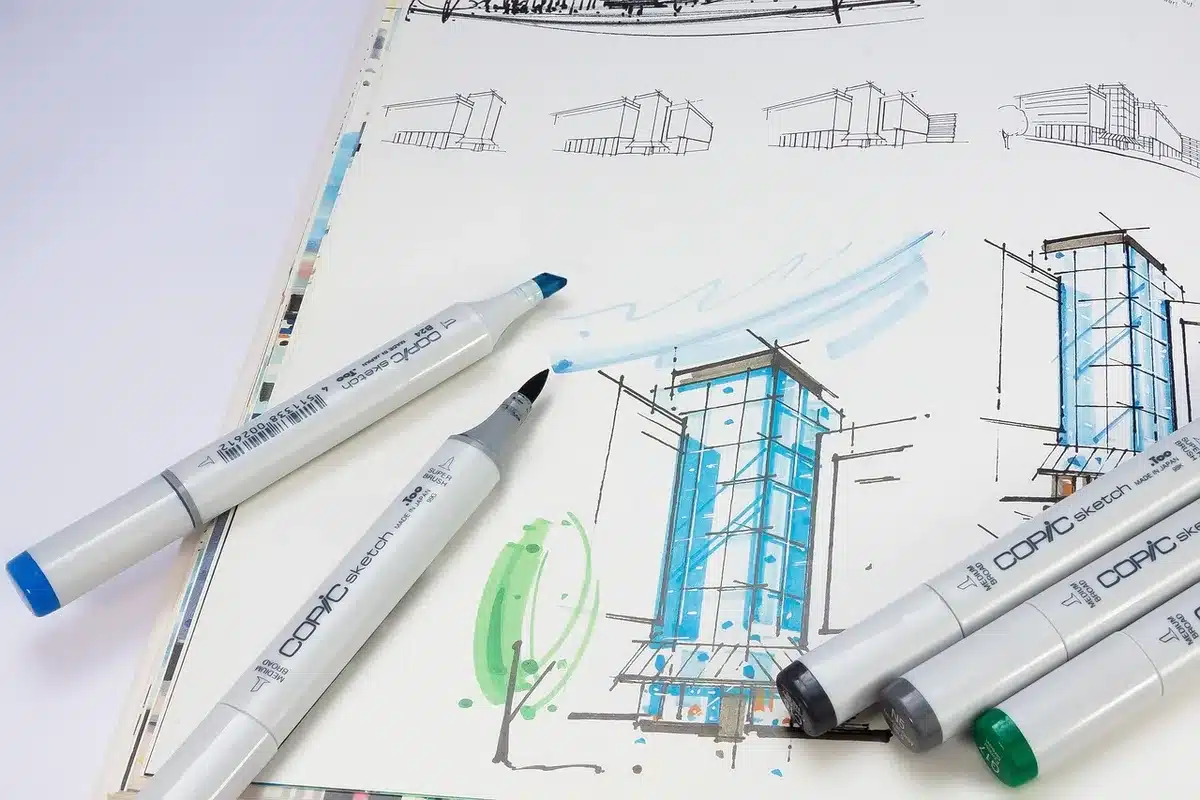
- Motifs: Domestic objects, signage, and pages of books.
- Palette: Subtle tones that highlight emotion without overwhelming detail.
- Composition: Intimate frame sizes that invite quiet reading.
The stories she tells about language and belonging
Language appears as both barrier and bridge in Han’s comics. Characters slip between English and Korean. Moments of mistranslation or lost nuance become dramatic beats. These scenes show how language shapes identity.
Recurring themes in her comics
- Negotiating family expectations and personal desires.
- Memory as layered, unreliable and tender.
- Finding community through shared narratives.
Reception: why readers connect with her work
Readers respond to the specificity of Han’s drawings. The art feels personal but holds universal threads—immigration, nostalgia and the search for voice. Critics and audiences note how her comics turn private details into widely resonant moments.
- Her work invites empathy by focusing on small, lived moments.
- Many readers say the comics helped them reframe their own experiences.
- Her visual storytelling is praised for clarity and emotional honesty.
What drives Dabin Han in New York City
Based in New York City, Han draws energy from its neighborhoods, languages and cultural overlaps. The city provides both backdrop and stimulus. She uses urban detail to contrast the interior worlds of her characters.
Art practice and daily routine
- Regular sketching from life and memory.
- Reading widely across Korean American and global literatures.
- Developing comics that mix autobiography and general insight.
Ways her work encourages new conversations about identity
Han’s comics do more than reflect identity; they invite readers to rethink it. By weaving books into her visual narratives, she shows how literature can help people articulate who they are. That interplay makes her work useful for educators, readers and fellow artists.
- Her comics can be used to discuss cultural identity in classrooms.
- They illustrate how small acts—reading, remembering—shape belonging.
- Her storytelling reveals how art can translate private life into shared meaning.
About the artist: Dabin Han
Dabin Han is an illustrator and comic artist living in New York City. Her work centers on memory, family and the influence of Korean American books. She makes comics that pair intimate visuals with reflective narration.