Show summary Hide summary
- Why ministers want people to keep emergency food at home
- Possible causes of short-term food disruption
- What the official advice recommends
- How to build a practical household food reserve
- How to keep costs down and avoid waste
- Managing special dietary or medical needs
- How businesses and local authorities are preparing
- Community actions that make a difference
- Advice from experts: what to do and what to avoid
- Where to look for reliable information and updates
The UK government has begun urging households to keep a modest emergency food supply at home, a move that has prompted fresh debate about preparedness and supply-chain resilience. Officials frame the advice as sensible household planning, but it also reflects wider concerns about potential disruptions this winter — from strikes and energy shocks to extreme weather and global trade instability.
Why ministers want people to keep emergency food at home
Officials say preparing a short-term food reserve helps families cope with temporary shortages or transport delays. The message is practical: having a few days’ worth of non-perishable food can reduce pressure on delivery networks and supermarkets during spikes in demand.
UK government urges people to stockpile food: here’s why it matters
Island Boys member hospitalized after drug overdose

This guidance is not an instruction to panic-buy, but a call to plan for possible interruptions that could affect shops and deliveries for a limited period.
Possible causes of short-term food disruption
Several factors can create gaps in supermarket shelves or slow deliveries. Recent years have shown how fragile complex supply chains can be.
- Labour disputes in transport and ports.
- Severe weather events that stop freight movements.
- Energy problems that affect food processing.
- International conflicts that disrupt imports.
- Logistical bottlenecks, such as container shortages or congestion at key ports.
What the official advice recommends
Government guidance focuses on common-sense steps families can take to avoid last-minute shortages at home. The emphasis is on small, sustainable measures rather than long-term hoarding.
- Keep a short-term supply of non-perishable food and essentials.
- Include items that meet any specific health or dietary needs.
- Store water and basic medicines if possible.
- Plan to rotate items so nothing goes unused or past its date.
Authorities encourage households to prepare for a temporary disruption that could last days rather than weeks.
How to build a practical household food reserve
Creating a useful emergency stash is straightforward and inexpensive when planned carefully. Focus on nutritious, long-shelf-life items and easy-to-prepare meals.

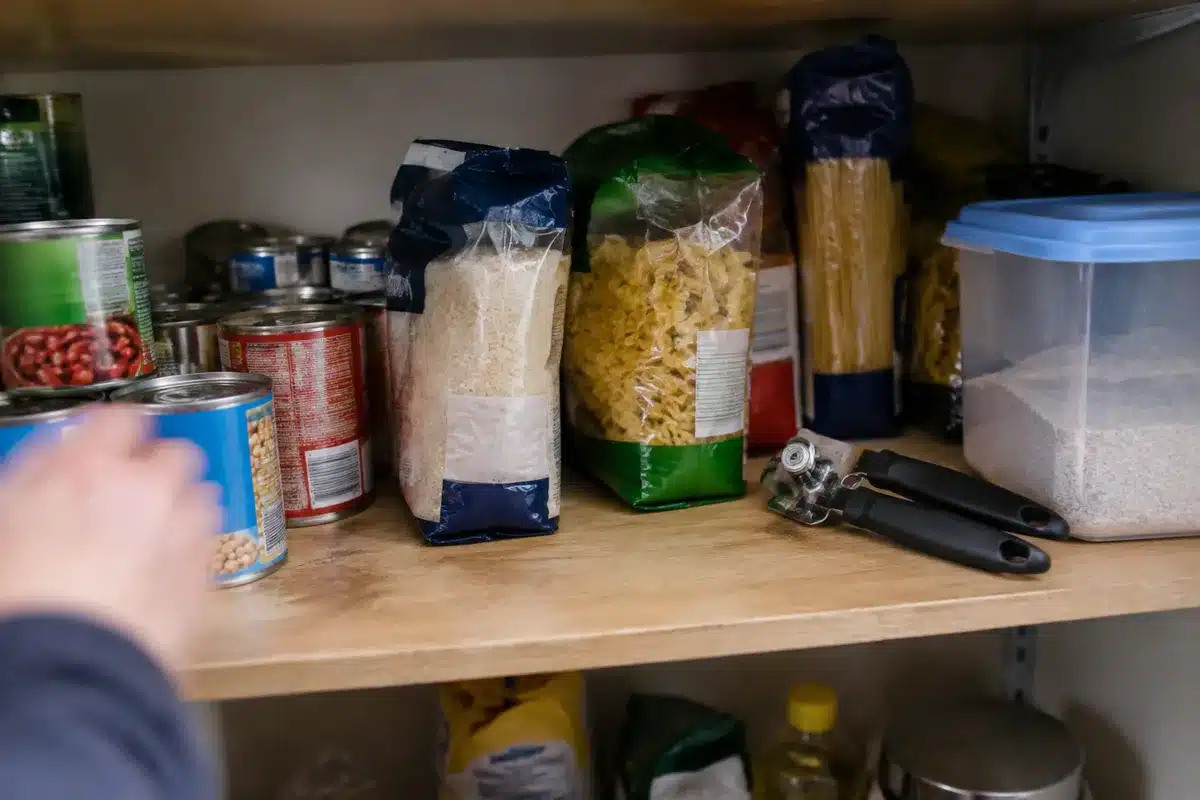
- Choose staples: canned vegetables, pulses, tinned fish, rice, pasta, and long-life milk.
- Include ready-to-eat options for busy or vulnerable household members.
- Keep baby formula, prescription medicine, and pet food if needed.
- Store a manual can opener, basic cookware, and disposable plates if needed.
- Label and rotate items so nothing passes its use-by date unnoticed.
How to keep costs down and avoid waste
Preparation doesn’t need to be expensive or wasteful. Smart shopping and rotation make a small emergency supply sustainable.
- Buy an extra can or two each weekly shop rather than a large one-off purchase.
- Use older items first and replace them with the same product.
- Make meals from reserve items periodically to test cooking plans and avoid expiry.
- Share tips with neighbours to reduce duplication and support those on low incomes.
Managing special dietary or medical needs
People with allergies, diabetes, or other medical conditions require tailored preparation. Standard canned food lists may not be suitable.
- Keep an emergency supply of prescribed medicines and insulin where applicable.
- Stock up on allergy-safe or low-sugar alternatives that match regular diets.
- Discuss options with a GP, pharmacist, or dietitian for clinical guidance.
How businesses and local authorities are preparing
Supply resilience is also a policy priority at regional and national levels. Retailers, wholesalers, and councils run contingency plans to manage short-term shocks.
- Supermarkets maintain contingency stocks and adjust delivery routes.
- Local councils map vulnerable residents and coordinate support networks.
- Government bodies can deploy logistical support in extreme cases to keep essential supplies moving.
Community actions that make a difference
Neighbourhood planning reduces stress during brief disruptions. Simple acts can protect the most vulnerable in a community.
- Form local check-in groups for elderly or isolated neighbours.
- Share surplus food lines or swap shelf-stable items to cover special needs.
- Coordinate with community hubs, churches, or charities to distribute essentials.
Advice from experts: what to do and what to avoid
Industry and resilience experts stress balance: being prepared without triggering shortages. The approach should be calm and organised.
- Do: build a short-term, rotating stash tailored to your household.
- Do: follow official updates from trusted sources such as GOV.UK and local councils.
- Don’t: buy excessively or hoard products unnecessarily.
- Don’t: rely on rumours on social media — check verified announcements.
Prepared households help reduce strain on supply networks. That collective effect is central to the government’s message.
Where to look for reliable information and updates
Official channels provide the latest assessments and practical checklists. Citizens are advised to use them rather than second-hand reports.
- Visit government resilience and emergency planning pages for official guidance.
- Check local council websites for community-specific support programs.
- Follow recognised charities and public health bodies for tailored advice.