Show summary Hide summary
- How a 16-year-old landed at Angola after a racially charged arrest
- Life inside Angola: isolation, hospice work and learning to quilt
- Quilts as testimony: artworks, names and memory
- Exhibit spotlight: “Gary Tyler: Rebirth” at Grand Rapids Art Museum
- The legal arc: resentencing and release after decades
- Art as advocacy: portraits of people still behind bars
Gary Tyler spent more than four decades behind bars for a crime he always denied committing. Freed at 58 after a resentencing, he has since transformed trauma into art. One of his quilts now belongs to the Smithsonian, and his first solo show opens at the Grand Rapids Art Museum.
How a 16-year-old landed at Angola after a racially charged arrest
As a teenager in Louisiana, Tyler dressed with a bold edge. A morning outfit and a family snapshot would later become central to his story.
Aerosmith and Run-DMC reunite for epic walk this way at Hollywood Bowl
Kodak Black collapses on stage: appears to have seizure-like symptoms
Within hours of that day, he was taken into custody during unrest tied to school integration. Police charged him with murder after witnesses later withdrew their statements. A court trial followed with an all-white jury and a judge’s framing that weighed against him.
He was convicted and sent to Louisiana State Penitentiary, known as Angola, where he would serve most of his life in harsh confinement. He always maintained he was innocent.
Life inside Angola: isolation, hospice work and learning to quilt
At Angola, Tyler endured a version of solitary confinement. Over time, he joined other prisoners in a hospice program caring for men at the end of life.
- Prison hospice transformed his sense of purpose.
- Inmates raised money for coffins and supplies.
- Quilting became a practical skill and an emotional outlet.
The hospice raffled a quilt at the Angola Prison Rodeo and raised tens of thousands of dollars. That fundraising success helped Tyler refine a craft he would later use to honor people he met behind bars.
Quilts as testimony: artworks, names and memory
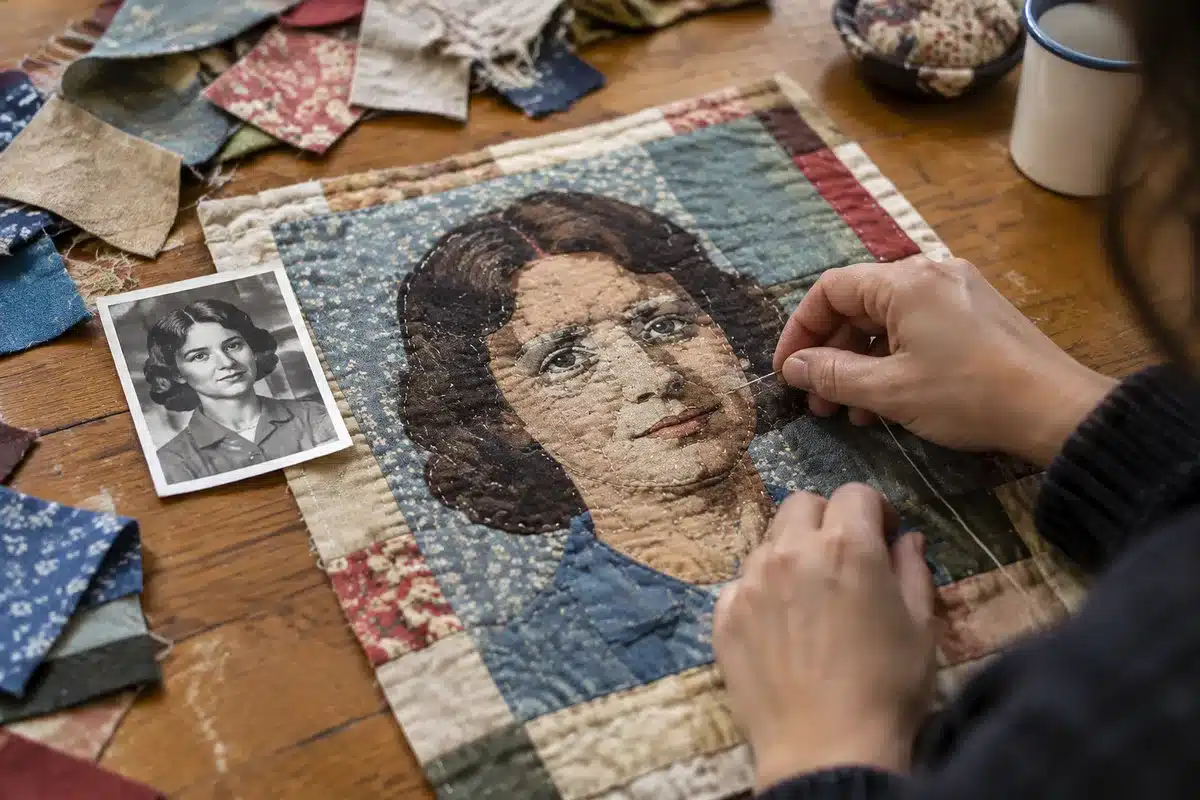
Tyler’s quilts do more than decorate. They tell stories. He stitches portraits and names into fabric to remember fellow inmates.
One of his pieces, called The Tree of Life, includes names and human forms. Museums and collectors noticed. The Smithsonian added one of his quilts to its collection.
His works often blend black-and-white photographic references with patchwork, creating quiet but powerful visuals about identity and survival.
Exhibit spotlight: “Gary Tyler: Rebirth” at Grand Rapids Art Museum
The Grand Rapids Art Museum is hosting Tyler’s first solo show. The exhibition brings together portrait quilts and narrative panels.
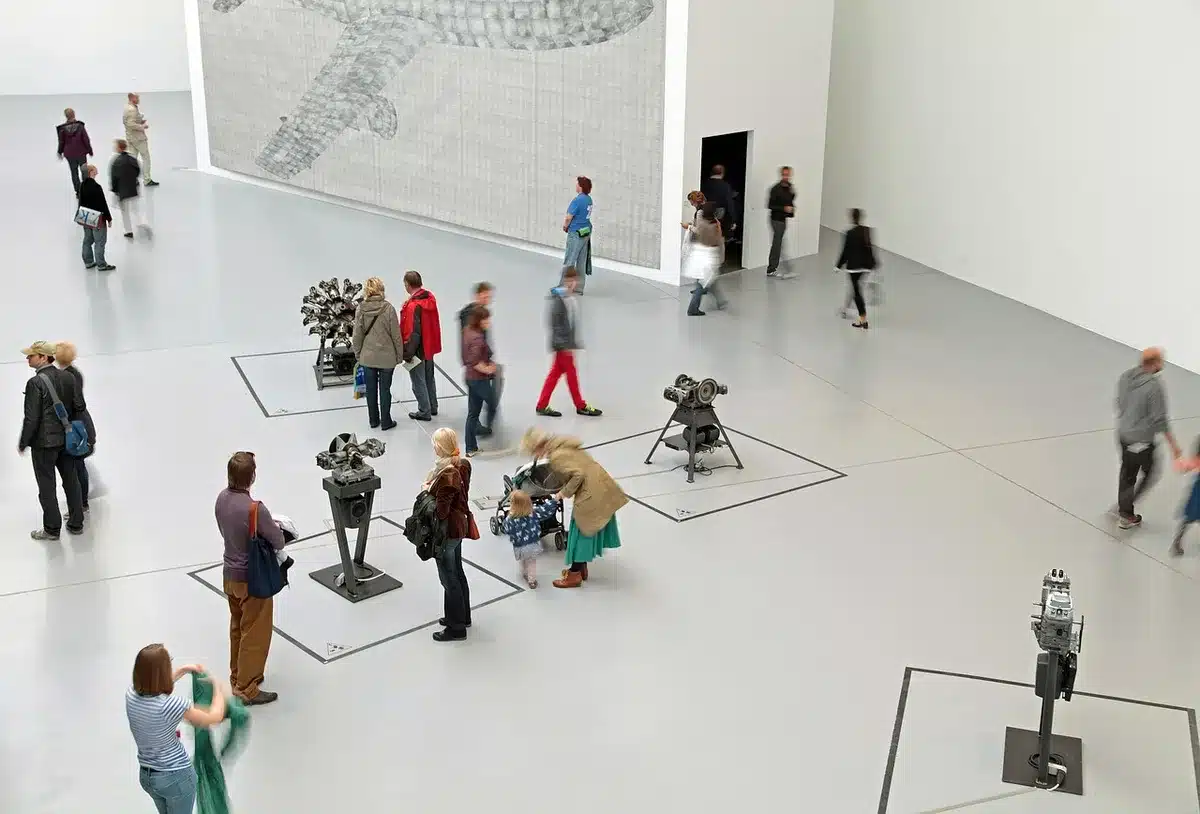
- Location: Grand Rapids Art Museum, Michigan.
- Featured work: portrait quilts of incarcerated friends.
- Exhibit runs through Jan. 3.
Visitors described the work as both painful and hopeful. Many are struck by how the quilts balance personal history with broader questions about justice.
The legal arc: resentencing and release after decades
Louisiana has one of the highest incarceration rates in the U.S. and historically low parole rates. Tyler’s case drew repeated clemency recommendations.
The state pardons board urged relief multiple times, but governors denied it. A 2016 U.S. Supreme Court decision forced states to revisit life sentences imposed on juveniles.
Under resentencing terms, prosecutors offered Tyler a manslaughter plea. He accepted and was released. His freedom came through resentencing, not a full pardon.
Art as advocacy: portraits of people still behind bars
Tyler stitches the faces of men and women he met at Angola. Each portrait is a gesture of moral and spiritual support.
Only a few of those he memorializes have since been released. The quilts keep their names visible and insist the public not forget them.
What visitors notice
Attendees at the opening said the show confronts consequences beyond imagination. They saw resilience woven into each panel.
Curators and historians link Tyler’s story to wider patterns of mass incarceration in Louisiana. The art is both personal testimony and part of a larger conversation about justice reform.