Show summary Hide summary
- Why so many online recipes look and feel the same
- How taste is shaped beyond the plate
- What food influencers actually sell
- Why miso, harissa and other pastes appear everywhere
- The role of algorithms in diet trends
- How ultra-processed “healthy” foods became mainstream
- Cooking as political theater and identity work
- Highlights from the conversation with Ruby Tandoh
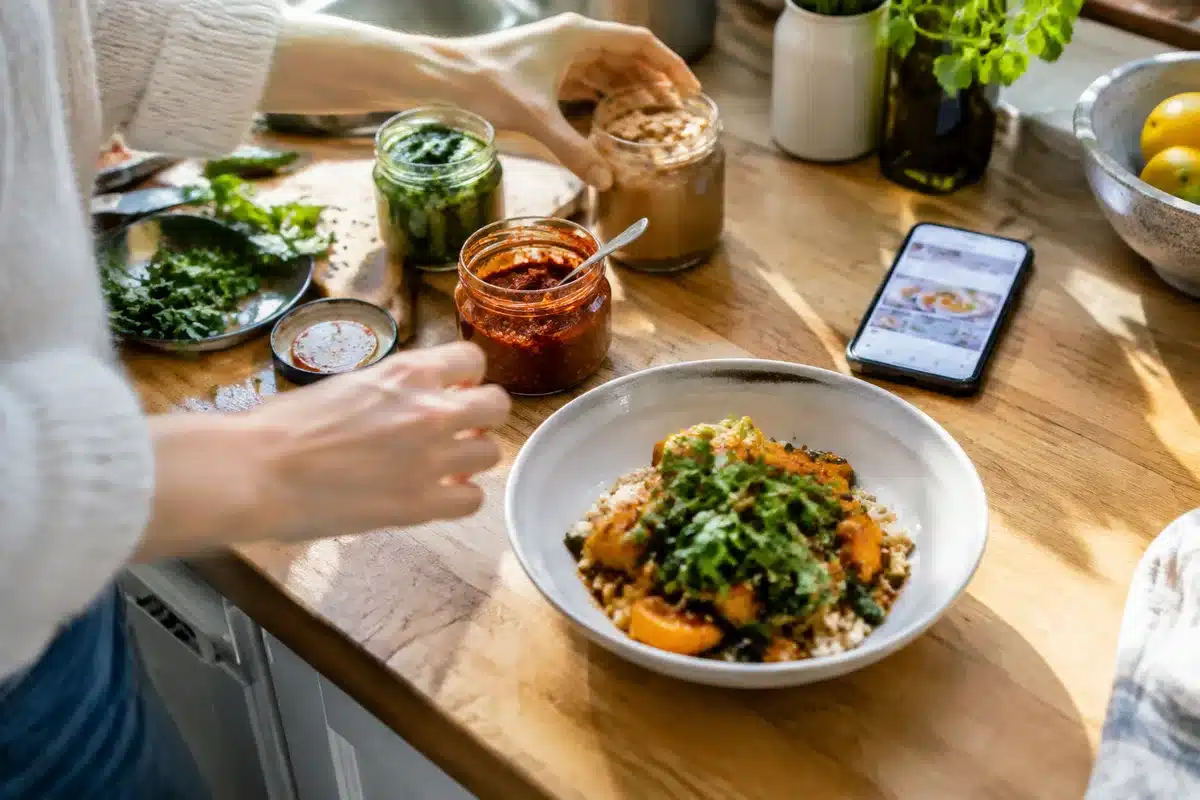
Scrolling through recipe pages feels oddly repetitive. Photos, short clips and glossy descriptions pull the same moves. Ingredients from far-off kitchens show up everywhere. The result is a familiar, irresistible internet cuisine. What turned home cooking into a feed-friendly aesthetic, and what does that shift tell us about how we eat now?
Why so many online recipes look and feel the same
Two forces collided to make recipes converge: the visual language of social media and the economics of attention. Creators chase clicks and saves. Platforms reward clear, fast stories. That pushes recipes toward similar formats.
Rapper retirements reversed: 3 famous quits that turned into comebacks
Wiz Khalifa granted surprise legal lifeline: could derail prison sentence

- High-contrast photos and tight, slow-motion video loops dominate.
- Short ingredient lists and repeats of trendy techniques gain traction.
- Reusable building blocks — sauces, pastes, one-pot methods — simplify production.
Algorithms favor what’s easy to reproduce, and that encourages creators to copy successful templates. Over time, the templates become the norm.
How taste is shaped beyond the plate
What we find delicious is not only biological. It is cultural, social and digital. Migration, travel, advertising and streaming introduce flavors. Then online communities decide which ones stick.
- Food media translates exotic ingredients into familiar contexts.
- Home cooks borrow techniques from professionals and influencers.
- Taste becomes a shared language across platforms and borders.
As new flavors circulate, they are reframed to fit local habits. The same flavors recur because they travel well through feeds and get amplified.
What food influencers actually sell
Influencers aren’t only teaching recipes. They sell ideas about identity, convenience and status. The recipe is a vehicle for a lifestyle.
Attention tactics that work
- Hooks in the first seconds of a video to keep viewers watching.
- Close-ups of texture and sound for visceral appeal.
- Repeatable formats, like weeknight dinners or 10-minute hacks.
These techniques shape our choices by making certain dishes feel more desirable. That drives demand for the same ingredients and methods across different creators.
Why miso, harissa and other pastes appear everywhere
There’s a modern impulse to add a global “twist” to familiar dishes. Pastes like miso and harissa provide an instant flavor upgrade.
Twist culture turns a known recipe into something novel with a single ingredient swap. It’s efficient and visually satisfying. But it also flattens origin stories and can erase context.
The role of algorithms in diet trends
Recommendation engines amplify extremes. They push both indulgence and purity. When a “clean” diet video spikes, the platform finds more viewers who like similar content.

- Wellness trends are accelerated by repeated exposure.
- Orthorexic ideas can spread when perfectionist content loops endlessly.
- Quick-fix health products appear as solutions to curated anxieties.
Algorithmic feedback loops create environments where certain food beliefs feel normal, even if they are narrow or commercial.
How ultra-processed “healthy” foods became mainstream
Food companies learned to brand processed products as wellness items. Clean labels, bright packaging and influencer endorsements blur the line.
Many marketed “health” foods are engineered for taste and convenience. They meet platform aesthetics and the short attention spans of digital audiences. That makes them easy to recommend and share.
Cooking as political theater and identity work
Home cooking is often performative. It signals values, class and cultural belonging. That performance can feel empowering. It can also be a form of labor with invisible expectations.
- Recipes that emphasize domestic ritual can reinforce traditional gender roles.
- Sharing homemade food online can be both personal and strategic.
- Politics of authenticity surface when cuisines cross borders.
Food choices become public statements. Audiences read identity into ingredients and presentation.
Highlights from the conversation with Ruby Tandoh
Ruby Tandoh, author of All Consuming: Why We Eat the Way We Eat Now, maps these trends through history and culture. Her insights link online tropes to deeper shifts in taste.
- Opening discussion: why many recipes feel template-driven.
- How media and migration have reshaped popular flavors.
- The mechanics behind influencer-driven appetite.
- Why twist culture makes miso and other pastes ubiquitous.
- How American food trends exert global influence.
- Origins of quirky beverage and cocktail fads.
- Algorithms’ role in promoting rigid food rules.
- The growth of processed items marketed as healthy.
- Cooking’s intersection with politics and public performance.
This episode was produced by Liam McBain. It was edited by Neena Pathak. Engineering support came from Jimmy Keeley. Supervising producer: Cher Vincent. Executive producer: Barton Girdwood. Vice president of programming: Yolanda Sangweni.