Show summary Hide summary
- Why Harry Styles pointed to pricey cappuccinos
- The tipping culture debate gains new momentum
- How baristas and hospitality workers see it
- Consumers are adjusting behavior
- Economic context: cost of living and service wages
- Possible fixes and industry experiments
- What to watch next in the tipping conversation
Harry Styles has again stirred conversation by calling out what he sees as runaway prices at coffee shops and an increasingly burdensome tipping culture. His blunt remark that “it’s out of control” landed in a wider debate over rising living costs, service wages, and how customers are expected to compensate workers.
Why Harry Styles pointed to pricey cappuccinos
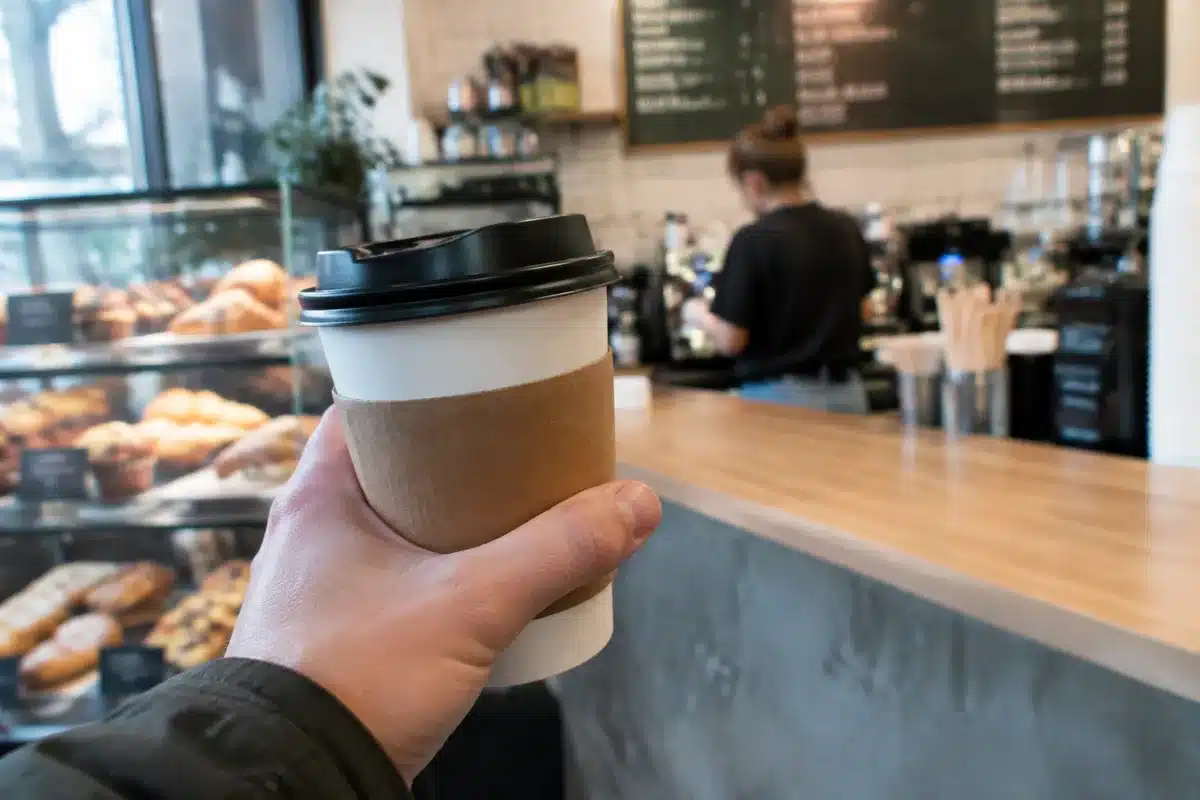
The pop star singled out the cost of a simple cappuccino to make a broader point. For many people, a cup of coffee has become a symbol of everyday inflation. When celebs talk about it, the issue reaches audiences who might otherwise not notice the trend.
Aerosmith and Run-DMC reunite for epic walk this way at Hollywood Bowl
Kodak Black collapses on stage: appears to have seizure-like symptoms

- Retail price hikes have pushed basic items into new territory.
- Premium coffee shops often charge more for specialty beans and latte art.
- Some customers feel the markup and tipping expectations are no longer fair.
The tipping culture debate gains new momentum
Tipping norms vary by country, and Styles’ comments sparked renewed discussion on who should cover service wages. In the U.S., tipping has become standard in many sectors. Critics argue this shifts employer responsibility onto patrons.
Key arguments on both sides
- Pro-tipping: Tipping rewards excellent service and helps workers earn higher income.
- Anti-tipping: It can be unpredictable for staff and masks low base pay.
- Hybrid views: Some call for clearer policies, such as service charges or higher wages instead of tips.
How baristas and hospitality workers see it
Frontline workers have mixed reactions. Some welcome tips as essential income. Others feel the expectation is unfair when menu prices already rise.
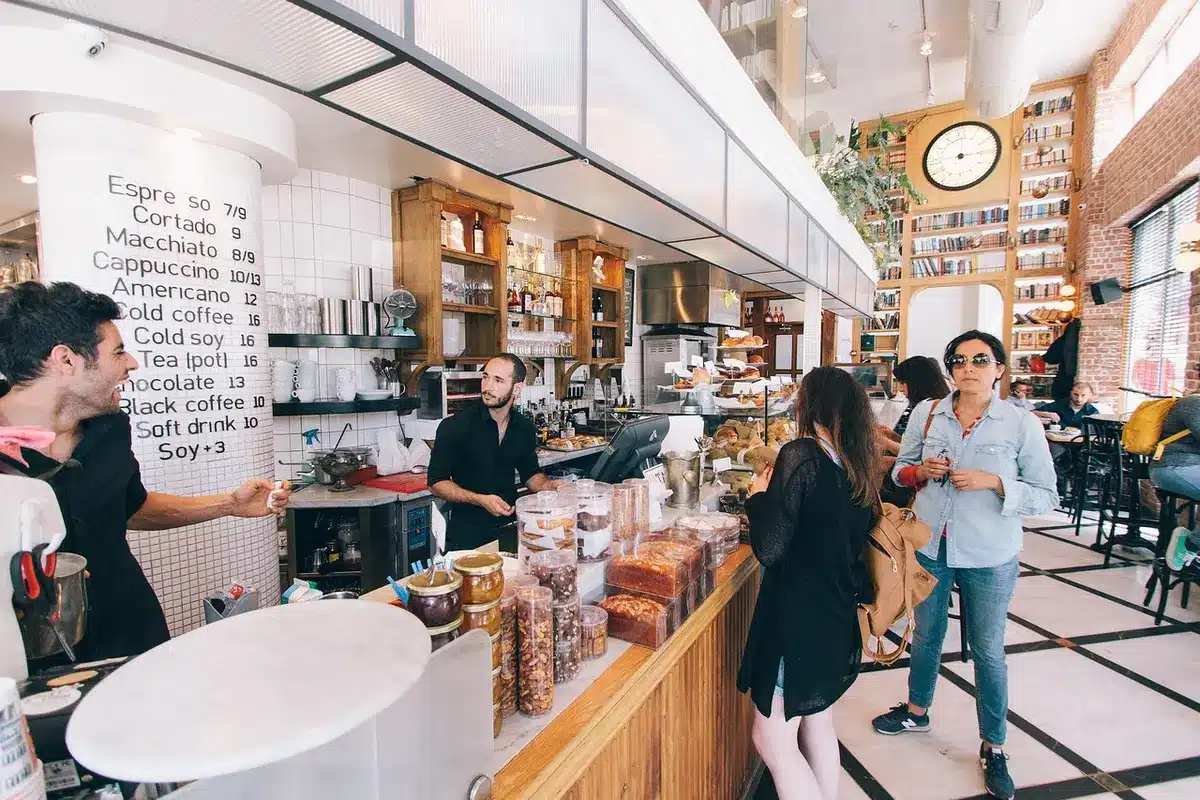
- Smaller independent cafés rely heavily on tips to compensate staff.
- National chains often follow standardized pay practices, reducing tip dependency.
- Workers report that unpredictable tipping makes budgeting difficult.
Consumers are adjusting behavior
Shoppers respond to sticker shock in many ways. Some cut back on daily coffee purchases. Others leave larger tips when they can. A number of patrons now prefer pay-up-front service charges.
Common consumer reactions
- Making coffee at home more often.
- Choosing cheaper menu items.
- Supporting businesses with clear wage policies.
- Using digital tipping options or skipping them entirely.
Economic context: cost of living and service wages
Rising food and rent prices have tightened household budgets. At the same time, many service workers still earn wages below national averages. This creates tension between fair pay and affordable prices.
- Inflation affects input costs like milk and rent for café spaces.
- Employers face pressure to raise wages or rework pricing models.
- Policies like mandatory service charges are being tested in some cities.
Possible fixes and industry experiments
Businesses and communities are trying alternatives. Some shops add a service fee. Others increase base salaries while removing tipping prompts. Each option has trade-offs.
- Service charge: Predictable revenue for staff, less awkward for customers.
- Higher menu prices with no tipping: Transparent but may deter price-sensitive buyers.
- Improved minimum wages: Requires employer and policy support.
What to watch next in the tipping conversation
As the debate continues, expect shifts in policy and consumer behavior. Public figures like Styles push the issue into mainstream headlines. That attention can accelerate experiments in the hospitality sector.
Industry groups, lawmakers, and café owners will likely test new models this year. Watch for pilot programs and clearer disclosures about how tips and fees are used.