Show summary Hide summary
- Netflix’s Minimum Wage: a web series reborn for short-form streaming
- Episode count, pacing, and the micro-episodic approach
- Characters, the Slice Club workplace, and social dynamics
- Randall Park’s role and guest appearances
- Style, influences, and the mockumentary choice
- Writing, themes, and what the series does not attempt
- Performances: standouts and ensemble chemistry
- Production feel, budget cues, and platform fit
- Bingeability and where the show works best
Netflix’s new adaptation of the web series Minimum Wage arrives as a brisk, chatty comedy built for short attention spans. The show leans into quick episodes, youthful energy and a familiar retail-comedy DNA — and it often feels like biting into fast food that’s oddly satisfying.
Netflix’s Minimum Wage: a web series reborn for short-form streaming
The show is an expanded take on American High’s original web property. Netflix released the season in two 14-episode batches. Episodes run roughly 12 to 20 minutes, leaning into a micro-comedy rhythm.
Aerosmith and Run-DMC reunite for epic walk this way at Hollywood Bowl
Kodak Black collapses on stage: appears to have seizure-like symptoms
This format aims to serve viewers who prefer rapid storytelling. Some episodes are tight and funny. Others feel stretched when viewed on a TV screen.
Episode count, pacing, and the micro-episodic approach
The first season totals 28 episodes split into two drops. Each entry is compact, which influences tone and structure.

- Short runtimes push quick setups and fast payoffs.
- Some plots are simple premise-driven vignettes.
- On larger displays, the modest production values become more obvious.
The series thrives on momentum. When the jokes land, the pace keeps you watching. When they don’t, episodes pass without much lasting effect.
Characters, the Slice Club workplace, and social dynamics
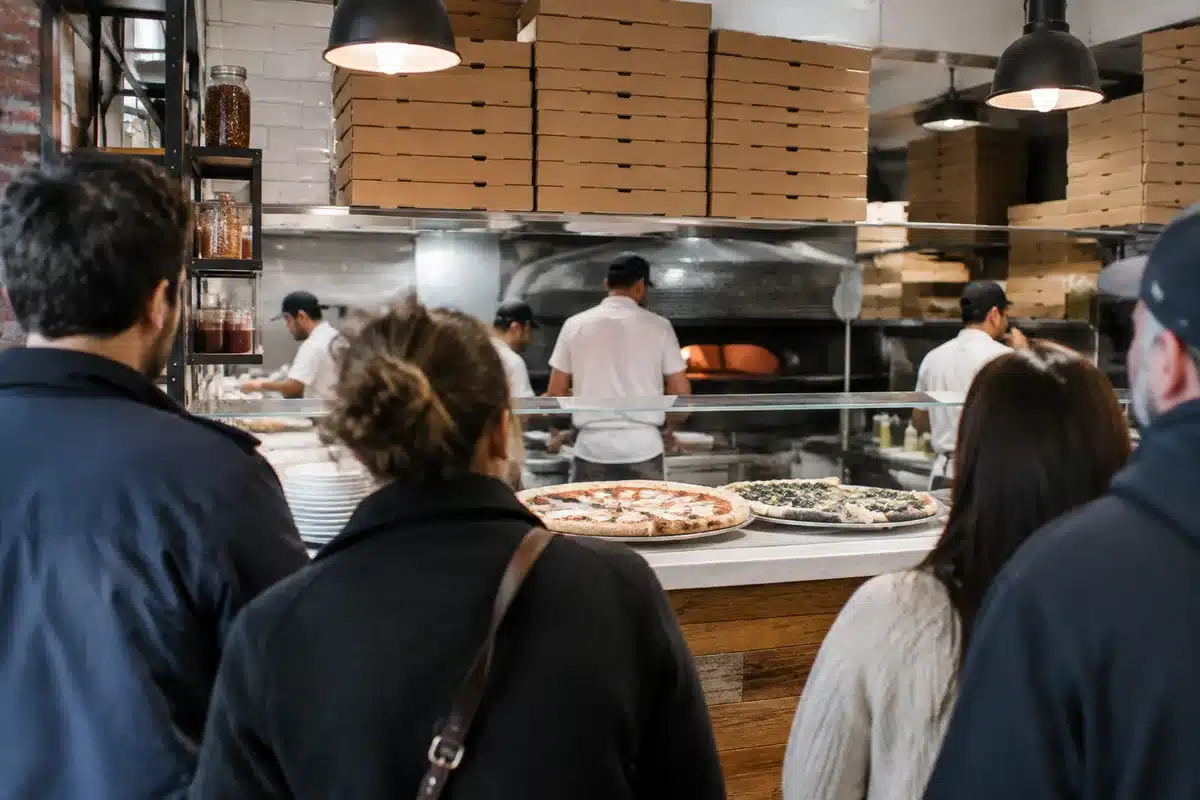
The cast plays employees at Slice Club, a pizzeria franchise in Upstate New York. Most characters use their real first names on screen.

- Grace Reiter plays the manager, balancing leadership and teen drama.
- Julia Dicesare’s character is an innocent, homeschooled presence who anchors several crush arcs.
- Luke Burke is the oldest on staff, a delivery worker whose romantic ties complicate dynamics.
Slice Club functions as a social hub more than a job. The ensemble rarely leaves the restaurant, and that containment shapes the show’s vibe.
Randall Park’s role and guest appearances
Randall Park joins as Terry Sylvester, the beleaguered founder of the franchise. He pops in periodically, delivering comic energy and memorable moments.
Park’s character arrives with a personal crisis and executive delusions. His appearances add star wattage and a slightly broader tonal range.
Style, influences, and the mockumentary choice
The program borrows from workplace comedies with a mockumentary pulse. It echoes shows like The Office, Superstore and Party Down, while keeping a softer edge.
Filmmakers chose a jittery, observational camera style. That approach fits short episodes but raises questions about why the format is used so consistently.
What the influences contribute
- Rapid, reference-heavy dialogue modeled on internet-native humor.
- Character-driven banter over structured dramatic stakes.
- Occasional farce and small-scope comedic set pieces.
Writing, themes, and what the series does not attempt
Although the setting is minimum-wage work, the show rarely digs into systemic issues. It favors camaraderie, inside jokes and slice-of-life scenes over labor commentary.
Plotlines tend to be compact and everyday-focused:
- Finding a stack of lottery tickets and debating what to do.
- Shooting a commercial for the restaurant.
- A slumber party that briefly moves the story outside the pizzeria.
These small stories suit quick episodes. They don’t always build to deeper ideas about work or community.
Performances: standouts and ensemble chemistry
Grace Reiter brings kinetic spark. Julia Dicesare offers an appealing, innocent center. Other cast members vary in clarity and comic precision.
- Reiter and Dicesare register strongest and are most memorable.
- Ryan Micho delivers tight comic timing.
- Luke Burke provides a weary, older-worker counterpoint.
- Hyde Healy and Tommy Armstrong broaden the comedic range.
Uniforms with name tags help viewers keep track. Without those visual cues, several characters blend together.
Production feel, budget cues, and platform fit
The aesthetic reads economical and sometimes DIY. That low-budget look aligns with web-origin storytelling, but it trades polish for immediacy.
Netflix seems to be testing formats that reflect how younger viewers watch today. Minimum Wage feels like a show designed for phones, short breaks and social feeds.
Bingeability and where the show works best
Short episodes make it easy to watch many in a row. The series operates as a light, disposable binge — fun in the moment but often forgettable afterward.
On commutes or quick viewing sessions, the show’s tempo and humor land well. On large screens, its limits become clearer.