Show summary Hide summary
- Flash show in Midtown ignites a fast-growing crowd
- How police intervened and cleared the scene
- Eyewitness reports and social media footage shape the story
- Why permits matter and what the law allows
- Immediate impact on commuters, traffic, and local businesses
- Band reaction and messages across platforms
- Organizers, lawyers, and event planners weigh in
- How spontaneous concerts have shaped city debates
A sudden punk set in the heart of Times Square drew a sea of people Thursday, then unraveled as officers moved in to stop the unsanctioned performance. What began as a raw, high-energy street show soon turned chaotic, leaving questions about crowd control, permits, and the role of spontaneous art in New York’s busiest crossroads.
Flash show in Midtown ignites a fast-growing crowd
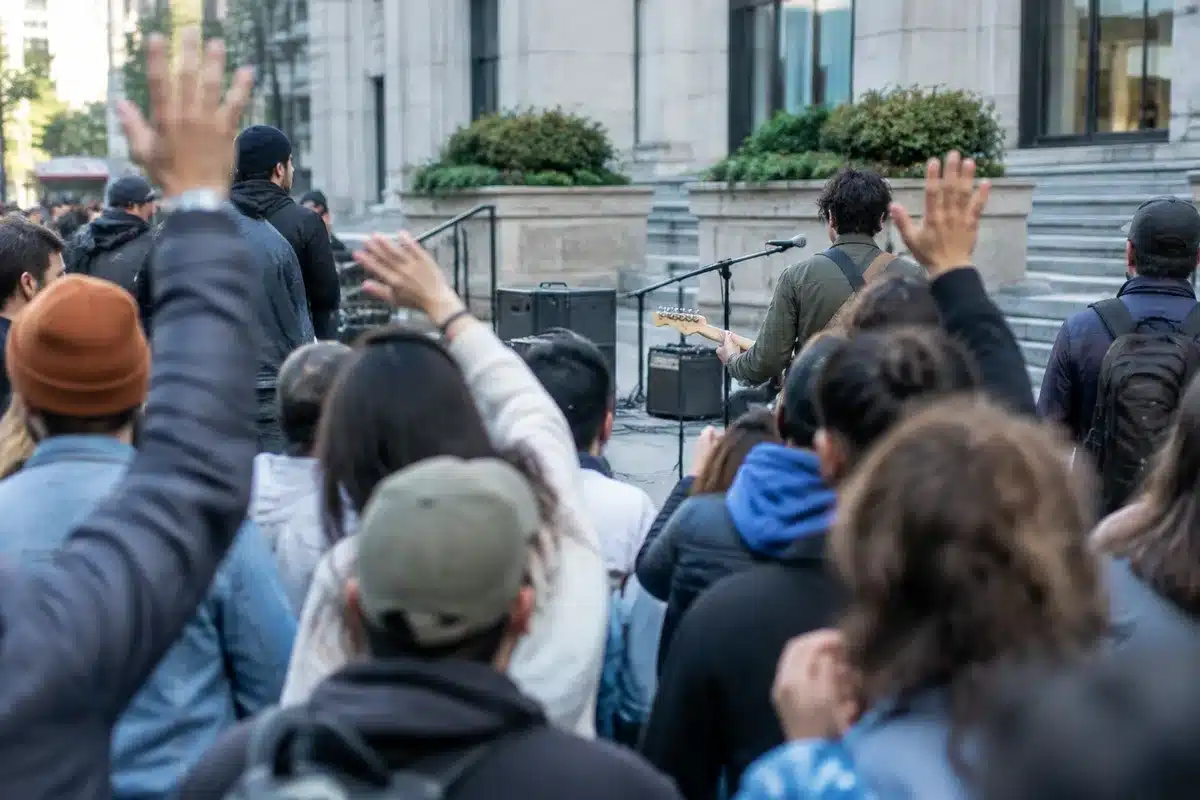
The event started without notice near the TKTS steps. A four-piece punk outfit set up amps on the sidewalk and launched into aggressive, short songs. Within minutes, commuters, tourists, and curious locals packed around. Street performers normally perform here, but this one felt larger and louder.
Aerosmith and Run-DMC reunite for epic walk this way at Hollywood Bowl
Kodak Black collapses on stage: appears to have seizure-like symptoms
Witnesses described chanting, moshing, and people climbing on planters to get a better view. The energy was electric, but the cluster also blocked sidewalks and spilled into the roadway.
How police intervened and cleared the scene
Officers arrived shortly after the crowd swelled. The NYPD issued orders to disperse and stepped between the band and the audience. Within a short span, the amplified sound stopped and the performance ended.
- Orders to disperse were given to reduce risk to pedestrians.
- Some people were moved along; a handful were detained for disorderly conduct.
- Equipment was confiscated or removed from the immediate area.
Officials said public safety concerns were their primary reason for shutting the event down. The rapid escalation forced officers to act to prevent injuries and traffic disruptions.
Eyewitness reports and social media footage shape the story
Clips of the performance spread quickly online. Videos show a packed audience and a cacophony of guitar and drums. Many posts praised the band’s intensity. Others criticized the disruption.
- “It sounded like a proper punk show in the middle of the city,” one onlooker said.
- “People were getting shoved around,” another added.
Online, debate followed the footage. Some users defended the band as artists; others argued for rules and permits in public plazas.
Why permits matter and what the law allows
Times Square sits under strict rules for public gatherings. Permits are usually required for amplified sound or any performance that blocks pedestrian flow.
- Amplification without authorization can draw a noise violation.
- Large gatherings may trigger public safety statutes.
- Blocking sidewalks or roadways can lead to citations.
City code exists to balance artistic expression with safety and commerce. Authorities said those regulations guided their response to the guerrilla concert.
Immediate impact on commuters, traffic, and local businesses
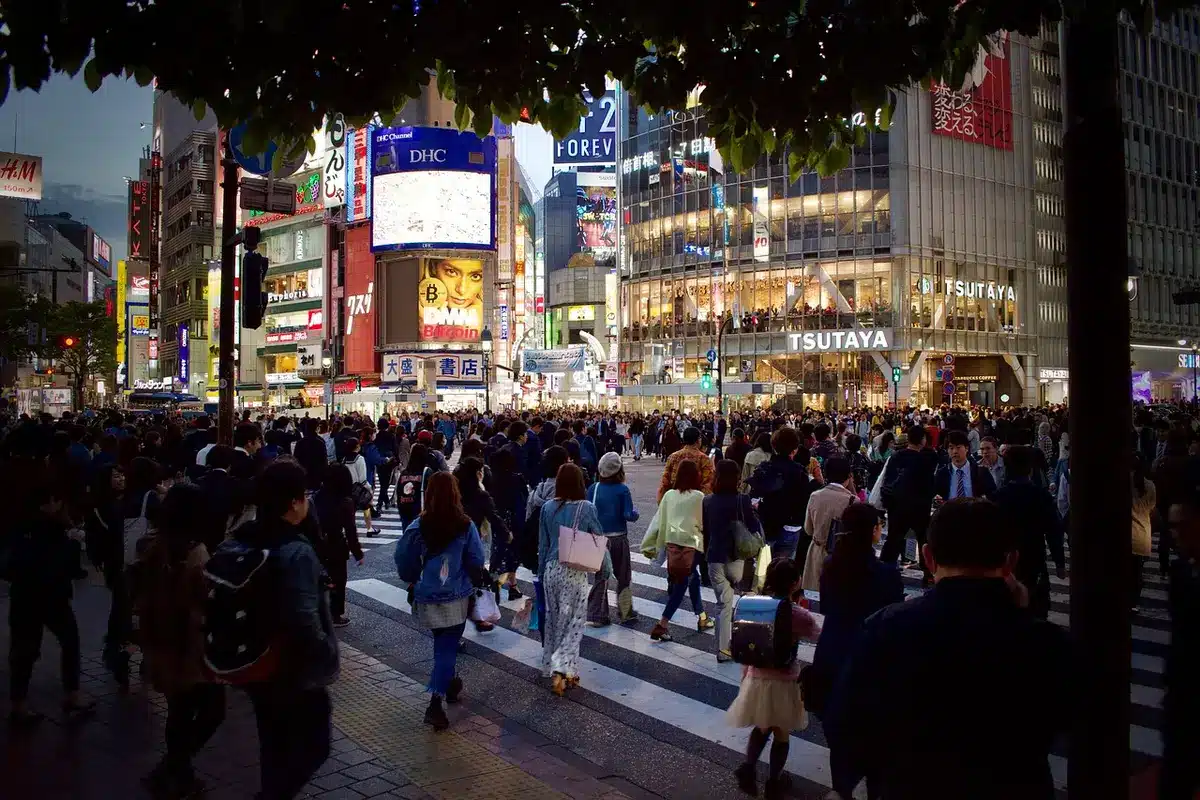
With fans and passersby crowding sidewalks, foot traffic in surrounding blocks slowed. Bus and taxi routes adjusted around the surge.
- Pedestrian flow near Broadway and 47th Street was affected.
- Some nearby vendors reported both increased sales and difficulties servicing customers.
- Subway entrances remained open, but access points were more congested than usual.
Band reaction and messages across platforms
The group posted a short statement after police dispersed the show. They framed the stunt as an attempt to reconnect with the city and their fans. Some posts expressed frustration at the shutdown. Others signaled they would pursue legal channels for future public shows.
Supporters rallied online, calling the move an example of art clashing with enforcement. Critics said public safety and permits must come first.
Organizers, lawyers, and event planners weigh in
Event professionals say guerrilla shows carry predictable risks. Without permits, there is little legal protection for performers or crowd managers.
- Permits provide liability coverage and police coordination.
- Organized marshals reduce the chance of injury.
- Proper staging keeps performers and audience members safer.
Attorneys note that demonstrations framed as artistic performances can still face enforcement if they create hazards or violate city codes.
How spontaneous concerts have shaped city debates
Guerrilla performances have a long history in urban life. They challenge norms, energize public spaces, and sometimes force policy responses.
Supporters argue these acts reclaim city streets for culture. Officials counter that unplanned events can strain emergency services and hamper commerce.
Key questions the incident raises
- How should cities balance free expression with public safety?
- When can spontaneity be tolerated, and when must it be prevented?
- What role should permits play in fostering creative street-level culture?