
Show summary Hide summary
- How one set sparked a sudden surge in the mosh pit
- Onstage dynamics and the band’s role
- Security, medics, and festival management response
- Voices from the crowd: fan accounts and social media
- Crowd psychology: why moshing can flip to fighting
- Safety measures festivals can deploy
- How festivalgoers can stay safer in volatile crowds
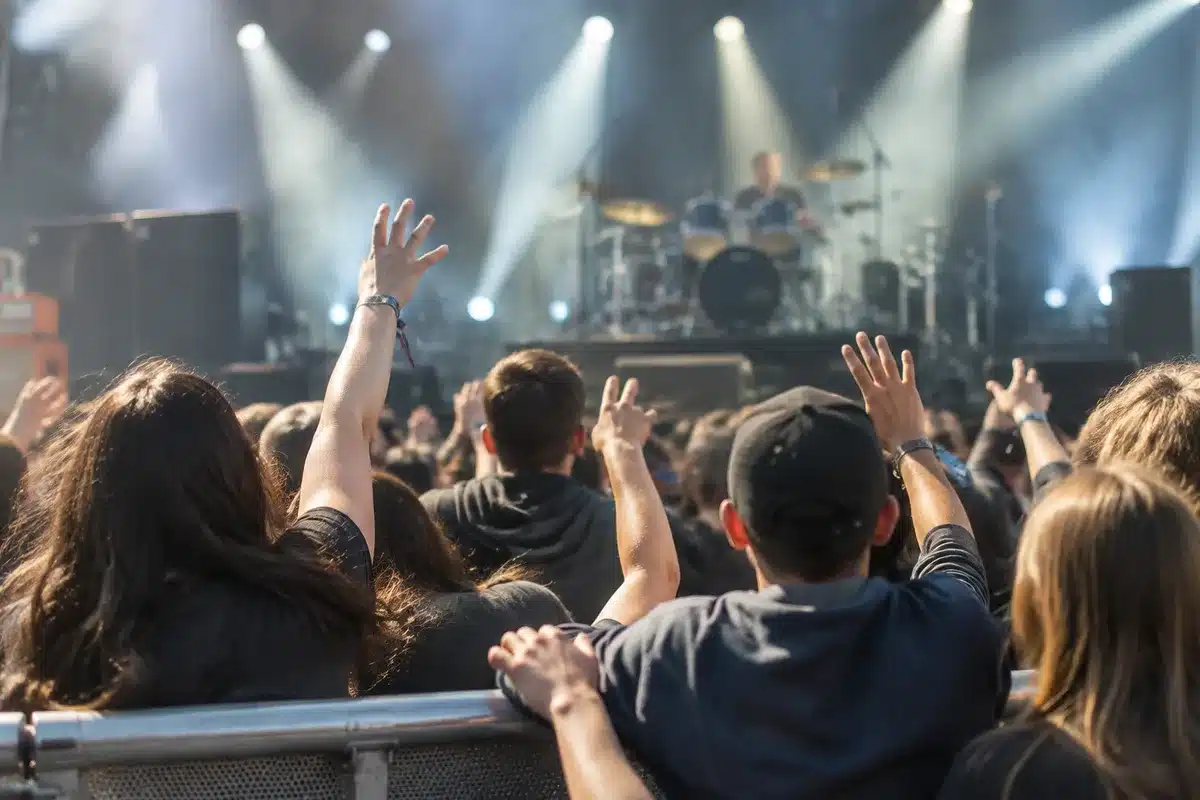
The ground shook with more than music as a crowd at this year’s Aftershock Festival shifted from energized to chaotic in a heartbeat. What began as a typical hardcore set quickly turned into a volatile scene when a mosh pit escalated into brawling, leaving fans, security teams, and band members scrambling to respond. Eyewitness footage and attendee accounts paint a vivid picture of how a festival moment can change in seconds.
How one set sparked a sudden surge in the mosh pit
The band onstage played a high-intensity sequence that brought the crowd to its feet. Bodies collided, fists flew, and the atmosphere moved from cathartic release to physical confrontation. Many festivalgoers said the shift was rapid and unexpected.
Smashing Pumpkins reunite with legendary 90s producer Butch Vig on new Hunger Games track
U.K. terror plot: what we know and why the Gulf remains in limbo
- Tempo and crowd energy: An aggressive riff and faster tempo raised adrenaline levels.
- Proximity and pressure: Dense packing near the front amplified pushes and shoves.
- Trigger moments: A small scuffle or fall acted as a spark in an already turbulent space.
Onstage dynamics and the band’s role
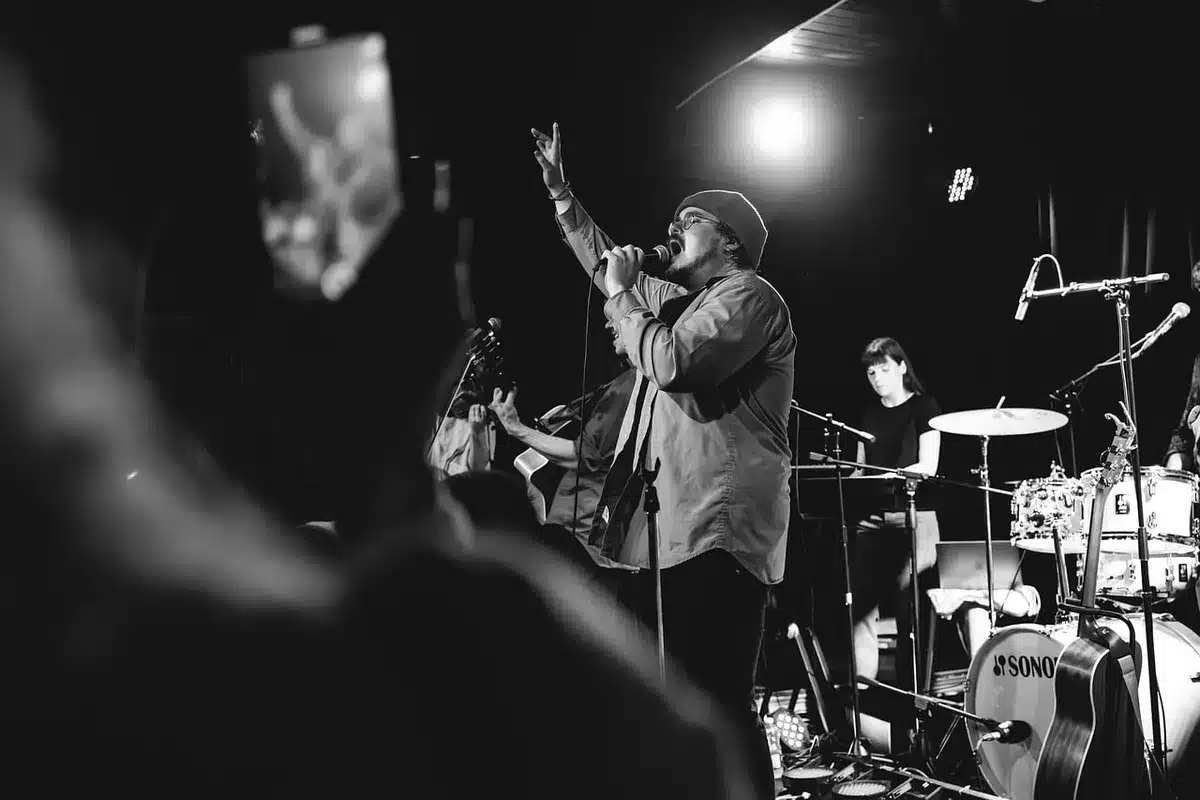
Hardcore bands often feed off crowd energy. In this case, the band’s stage presence and lyrics appeared to intensify the atmosphere. Some performers encouraged moshing as part of the show. Others tried to de-escalate when they saw the pit turn violent.
Band reactions reported by attendees
- Some members paused mid-song to address the crowd.
- At least one musician urged fans to calm down and make space.
- Others kept playing, saying the music acts as a release valve for aggression.
Security, medics, and festival management response
Security staff moved through the crowd, attempting to separate combatants and assist injured patrons. Medical tents saw an influx of people with bruises, cuts, and sprains. Festival organizers released statements later about their procedures.

- Rapid response: Stewards created human chains to isolate the incident.
- Medical triage: On-site medics treated minor injuries and referred severe cases to hospitals.
- Policy reminders: Organizers reiterated codes of conduct and ejection policies.
Voices from the crowd: fan accounts and social media
Videos shared online captured the moment some attendees described as a tipping point. Comments ranged from anger at aggressors to sympathy for those caught in the crossfire. Social platforms amplified the incident within hours.
- Firsthand clips: Short videos showed a small scuffle quickly attract more people.
- Fan commentary: Many praised security, while others questioned planning and crowd control.
- Viral debate: Users argued about where responsibility lies — with the band, the crowd, or event staff.
Crowd psychology: why moshing can flip to fighting
Mosh pits form as collective expression of energy, but they have fragile dynamics. Several factors can push a pit from vigorous to dangerous.
- High density reduces personal space and increases accidental contact.
- Alcohol and exhaustion impair judgment and reaction times.
- Group contagion effect makes escalation contagious.
Experts say simple mistakes can create feedback loops. A shove begets a shove. A fall becomes a pile-up.
Safety measures festivals can deploy
Organizers can implement strategies to limit rapid escalation and protect attendees. Some measures are standard, others emerging as best practices.
- Visible security presence: Deter aggressive behavior before it starts.
- Designated pit zones: Clear boundaries help control density.
- Rapid extraction corridors: Paths for medics and stewards to reach incidents fast.
- Artist guidance: Bands can be briefed to avoid actions that inflame crowds.
How festivalgoers can stay safer in volatile crowds
Attending a hardcore show or festival requires awareness. Small precautions can make the difference between enjoying a set and getting hurt.
- Stay hydrated and pace your alcohol intake.
- Position yourself where you can exit a crowded area quickly.
- Watch for signs of rising aggression and move away early.
- If you see someone fall, help by signaling stewards rather than escalating.
- Wear sturdy shoes and limit jewelry that can catch or cause injury.










