Show summary Hide summary
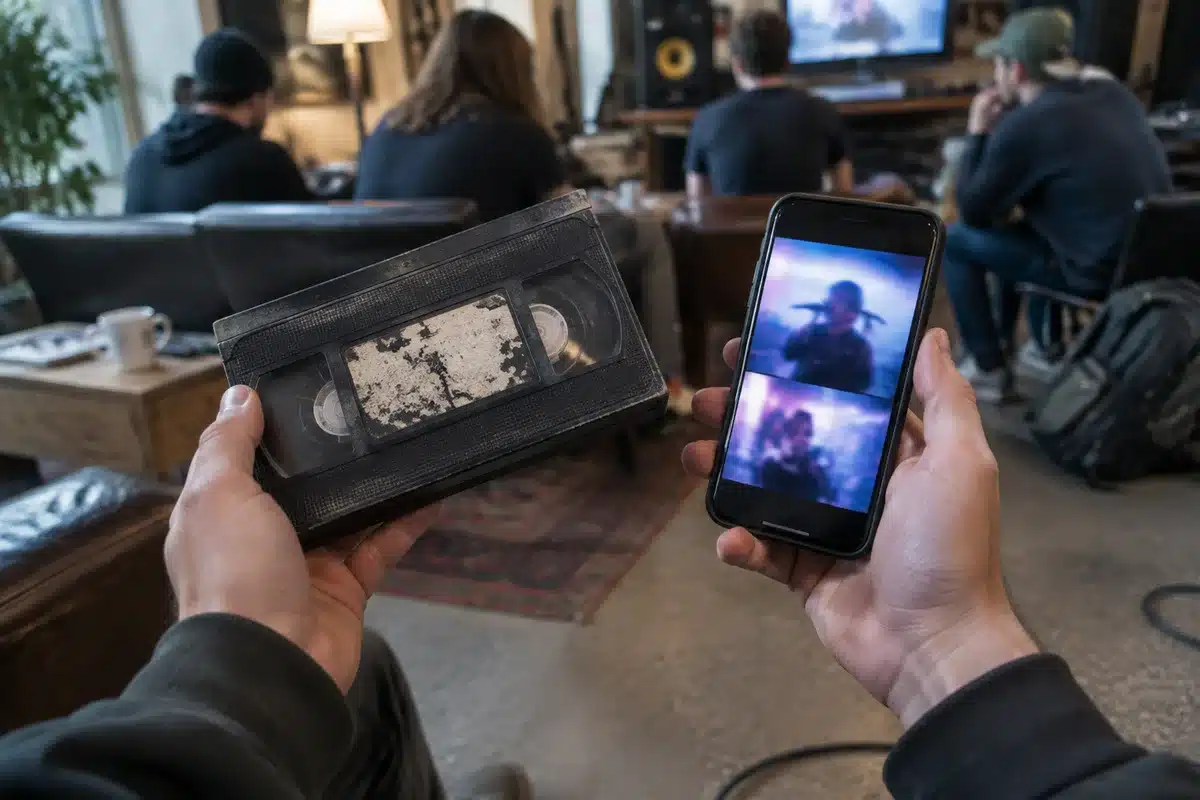
Fans and the band were taken by surprise when an AI-altered edit of Fontaines D.C.’s “Marianne” music video surfaced online without the group’s approval. The clip transformed visuals and audio elements in ways that the band called ironic and unauthorized, reigniting debates about creative control and the use of artificial intelligence in music promotion.
How an unsanctioned AI edit reached the public
Late notices, sudden reposts and fast-spreading shares brought the AI version of “Marianne” to wide attention. The edit was not commissioned by the band or their label. Instead, a creator used machine learning tools to manipulate footage, then uploaded the result across multiple platforms.
UK government urges people to stockpile food: here’s why it matters
Island Boys member hospitalized after drug overdose

- The altered video layered generative imagery over original footage.
- Audio was subtly changed, creating a different emotional tone.
- Distribution relied on social networks and short-form video channels.
The speed of distribution showed how quickly AI-driven content can go viral, even when its origins are unclear.
How Fontaines D.C. reacted
The band publicly expressed surprise and concern after discovering the edit. They described the clip as “ironic” in how it repurposed their work without context or permission. Management moved to clarify the band’s stance on authorized releases and promotional material.
Statement highlights
- Non-consent: The band had not signed off on the AI edit.
- Artistic intent: Fontaines D.C. emphasized the original video’s vision.
- Next steps: They indicated that they were exploring options to address the matter.
Why this matters: copyright, consent, and AI
The incident shines a light on legal and ethical questions surrounding AI in creative fields. Copyright law was not designed for generative models. That creates tension between creators and those experimenting with new tools.
- Original creators may lack control over derivative works.
- Platforms struggle to enforce policies at scale.
- Audiences can be unaware that a clip has been altered.
Legal recourse can be complex and slow, leaving artists vulnerable to misrepresentation.
How the industry is responding to similar cases
Record labels, artists and policy makers are watching events like this closely. Many are calling for clearer rules about AI-generated content and better mechanisms to protect creative rights.
Trends in reactions
- Labels demand provenance and permission for promotional edits.
- Artists push for transparency when AI tools are used.
- Some platforms are testing verification labels for official content.
Lessons for creators, platforms, and fans
There are practical steps each group can take to reduce harm and confusion.
- Creators: watermark or register official versions of videos.
- Platforms: refine detection and takedown workflows.
- Fans: check sources before sharing altered content.
Responsible sharing helps protect artists and preserves the integrity of original work.
What the episode signals for AI in music
This case is one among many prompting a rethink of how AI tools interact with recorded art. It highlights a need for standards that balance innovation with respect for artistic authorship.
- AI offers creative possibilities, but also risks misuse.
- Transparency about AI involvement builds trust.
- Policy and technology must evolve together to keep pace.