Show summary Hide summary
- When algorithms pick your look: the rise of instant fashion
- Secondhand clothing’s comeback: from necessity to cultural cachet
- Where the thrift market lives today: platforms and players
- Neighborhood thrift shops vs. online resellers
- Is thrifting still authentic or has it been commercialized?
- How shoppers can navigate the new thrift landscape
- Where this reporting comes from
Look down at what you’re wearing. You may believe you chose it, but a web of data, apps, and lightning-fast production often steers those decisions now. The business of clothing has shifted from runway diktats to algorithmic suggestions, and that change is reshaping what people call style.
When algorithms pick your look: the rise of instant fashion
Fashion used to be curated by designers and glossy magazines. Today, companies mining search trends and social chatter can spin up styles in days. Fast-fashion giants and ultra-fast retailers harness algorithms to test demand.
Rapper retirements reversed: 3 famous quits that turned into comebacks
Wiz Khalifa granted surprise legal lifeline: could derail prison sentence

Some firms have sped this process to an industrial pace. One operator claims to launch thousands of new styles daily. By comparison, established fast-fashion labels produce far fewer seasonal items each year.
The result: a flood of cheap, trend-driven garments. That speed keeps choices fresh, but it also accelerates waste and diminishes creative authorship.
Secondhand clothing’s comeback: from necessity to cultural cachet
Buying used clothes was long linked to thrift or need. But across decades, subcultures turned secondhand items into a deliberate aesthetic choice.
Movements from 20th-century avant-garde circles to grunge and 1960s rock icons repurposed preworn garments as an anti-fashion statement. Recently, younger shoppers reclaimed thrifting as a way to resist homogenized retail and to express individuality.
During the pandemic, resale apps and social platforms helped accelerate this shift. What was once stigmatized became a form of social currency, especially among Gen Z.
Where the thrift market lives today: platforms and players
The secondhand ecosystem is wide and varied. Different platforms serve different shoppers and sellers.
- Consignment and luxury resale: Sites that authenticate and market designer pieces, often charging higher fees but offering visibility.
- Peer-to-peer marketplaces: Apps where individuals list clothes directly, favoring trend-led items and niche styles.
- General auction and classifieds: Longstanding platforms that host both vintage and everyday finds for older audiences.
Popular platforms to know
- The high-end consignment market for designer wares
- Trend-driven apps popular with younger sellers
- Secondhand marketplaces expanding across regions
Each service charges different commissions, targets unique buyers, and offers distinct selling tools. Some will market your pieces and pick up the shipping. Others act as simple listing sites where hustle and curation fall on the seller.
Neighborhood thrift shops vs. online resellers
Local thrift stores remain crucial for many shoppers who need low-cost clothing. They’re less about chasing trends and more about accessibility.
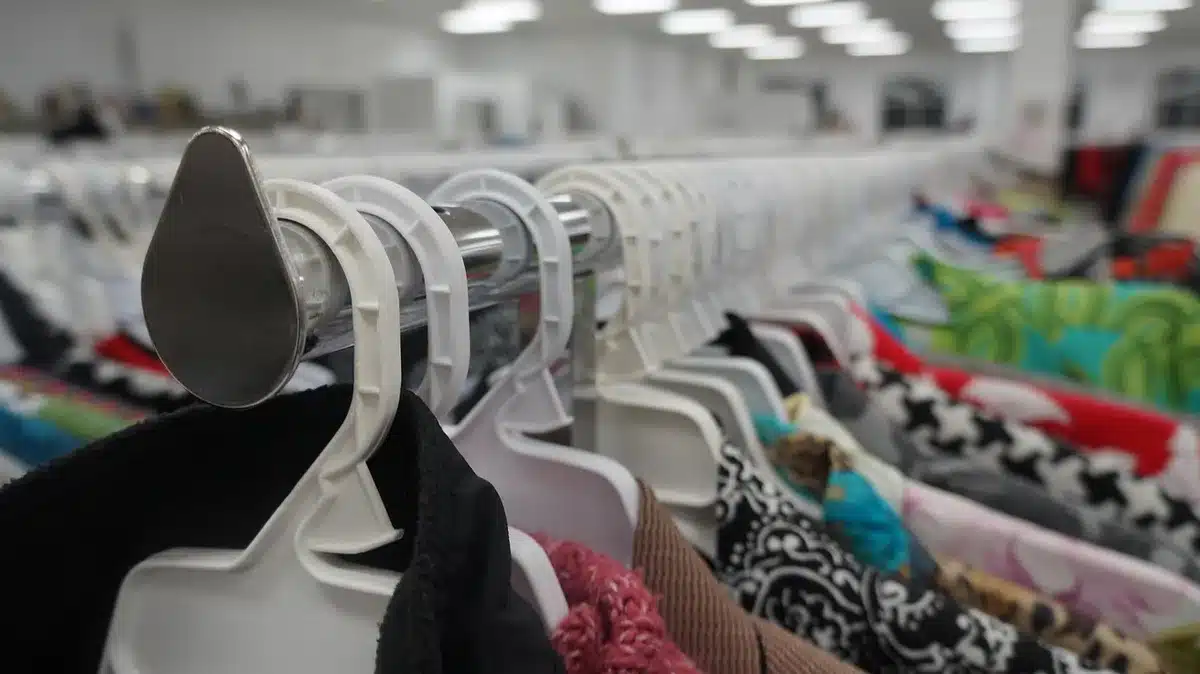
But neighborhood chains and charity-run shops have changed. Prices have risen in many places, and some bargains now travel to online outlets or are purchased by resellers. That has left regular customers wondering whether the best finds still arrive on store racks.
Complicating matters is the decentralized nature of many charity-run networks. Individual branches set their own policies and prices, so experiences vary widely. In some locales, organizers have even sold special early-access experiences to collectors for sizable fees.
Is thrifting still authentic or has it been commercialized?
As thrifting went viral on social media, the stigma faded and, in some circles, reversed into a badge of taste. What began as necessity became a deliberate choice to avoid mass-produced style.
That said, mainstream popularity brings trade-offs. Higher demand can inflate prices and draw commercial actors hunting for resale profits. Yet the secondhand market still offers the best chance to find rare, original pieces not churned out by fast-fashion mills.
Some shoppers view thrifting as a counterweight to three decades of speeding fast fashion. Others see it as another market being monetized. Both observations can be true at once.
How shoppers can navigate the new thrift landscape
- Follow niche sellers and small shops for curated finds.
- Learn platform fees and authentication rules before selling.
- Shop local for budget-friendly staples; use apps for unique pieces.
- Be mindful of resale-driven price inflation at charity stores.
Where this reporting comes from
This piece is based on a conversation with a fashion journalist who studies the secondhand market and the broader shifts in retail. The discussion was part of a weekly call-in podcast that explores cultural trends and consumer behavior. Episodes are available on common podcast platforms.