Show summary Hide summary
- Major projects that transformed the capital’s landscape
- Why these plans drew legal fights and mass objections
- Voices from preservation, law and history
- Incidents from Trump’s past that foreshadow today’s disputes
- Builder, developer or owner? The debate over intent and authority
- How changes to review boards and rules matter
- Reactions from former associates and construction insiders
- What supporters say: promises fulfilled and patriotic restoration
- Questions about legacy, memorials and presidential ambition
- Why separation of powers and public oversight are central to the dispute
President Trump has spent his second term physically remaking Washington, D.C., leaving changes that critics call self-aggrandizing and preservationists call reckless. From repaving famous pools to erecting gilded statues and fast-tracking massive monuments, his projects have sparked lawsuits, protests and fierce debate over who gets to shape the capital’s look.
Major projects that transformed the capital’s landscape
Across the National Mall and the White House grounds, a string of high-profile projects has altered familiar sights.
Rapper retirements reversed: 3 famous quits that turned into comebacks
Wiz Khalifa granted surprise legal lifeline: could derail prison sentence
- White House: an expanded ballroom, a helipad and a paved-over Rose Garden.
- Lincoln Memorial Reflecting Pool: repaved with a striking blue finish amid delays and controversy.
- Statues and monuments: new installations and restored figures, some newly gilded.
- Proposals: a 250-foot arch near Arlington, a sculpture garden of “national heroes,” and renaming or dismantling parts of the Kennedy Center.
- Reworking public land: plans to convert East Potomac Golf Links into a championship venue.
Supporters claim these are patriotic upgrades. Opponents see them as moves to stamp a personal brand on federal property.
Why these plans drew legal fights and mass objections
Many projects ran into formal challenges. Lawsuits and tens of thousands of public comments followed proposals tied to the country’s 250th anniversary.
- Litigation targets alleged regulatory shortcuts.
- Public comments were overwhelmingly in opposition.
- Protests and arrests occurred around construction sites.
Preservation groups argue the administration sidestepped established review processes. In their view, that weakened safeguards meant to protect historic landscapes and monuments.
Voices from preservation, law and history
Architects, historians and lawyers say the pattern is worrying. They worry projects are rushed and pushed without full oversight.
Experts on the risks
- Legal specialists say removing review steps sets a precedent federal agencies must resist.
- Historians note past presidents sought congressional backing for major memorials.
- Cultural groups highlight appointments of non-experts to advisory panels.
One preservation leader warned that the current approach could be a template for similar rollbacks nationwide.
Incidents from Trump’s past that foreshadow today’s disputes
People who worked with Trump in his early real estate days point to episodes that mirror current controversies.
The Bonwit Teller demolition episode
In 1979, Trump bought a landmark Fifth Avenue building and planned a new tower. Curators and critics pushed to save ornate façade sculptures and a metal grille.
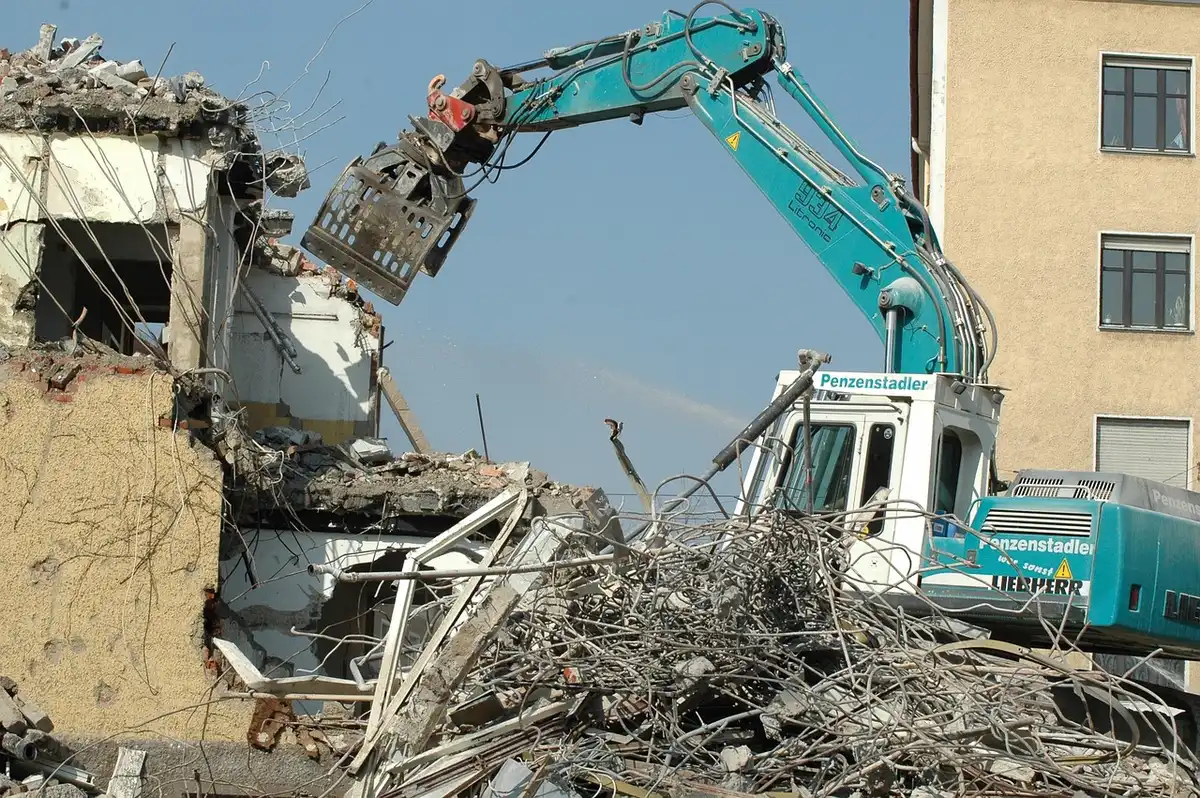
Despite offers to preserve the art, parts of the ornamentation disappeared during demolition. The episode produced headlines and later legal and labor disputes.
Those who remember the moment see a pattern: aggressive demolition or alteration in pursuit of a larger vision, sometimes at the expense of historical fabric.
Builder, developer or owner? The debate over intent and authority
Supporters praise Trump as a hands-on developer. Critics distinguish between development and presiding over public property.
- A developer manages projects with private authority and market incentives.
- A president is expected to act as a custodian of national symbols.
The concern from historians and constitutional scholars: treating the capital like personal real estate undermines norms. They say the White House and national monuments are public trusts, not a private portfolio.
How changes to review boards and rules matter
Policy shifts and personnel moves have reshaped who reviews design and preservation decisions.
- Allies with limited arts or preservation experience were placed on federal panels.
- Proposals were advanced to loosen legal protections for historic sites.
- Advocates warn this combination accelerates projects while reducing checks.
Preservation groups have filed suits and public-interest lawyers argue this amounts to an erosion of longstanding norms.
Reactions from former associates and construction insiders
Former Trump Organization staff describe a pattern of cutting corners during private projects.
- Ex-crew leaders say cost-saving directives sometimes compromised long-term durability.
- Some former executives recall conflicts over reuse of materials and aggressive timelines.
Those critics now see those habits replicated on a national scale, where authority carries higher stakes.
What supporters say: promises fulfilled and patriotic restoration
White House spokespeople and allies frame the work as fulfilling campaign pledges and restoring grandeur.
They argue the projects beautify public spaces and ensure landmarks remain impressive for future generations.
To backers, these actions are legitimate leadership, not self-promotion.
Questions about legacy, memorials and presidential ambition
Presidential legacy traditionally centers on policy, libraries and privately funded memorials outside Washington.
Trump’s approach breaks from that pattern in several ways: naming rights, public-facing monuments and even a plan for a downtown presidential building.
- Traditional avenue: fundraise, build a library outside D.C., leave archives to scholars.
- Alternative model: use federal grounds to create lasting, high-visibility tributes now.
Some observers fear that cementing personal monuments in federal space could reshape how future presidents see their authority.
Why separation of powers and public oversight are central to the dispute
Historians say presidents have used influence, but most major memorials required congressional support and public debate.
By acting through executive authority and administrative changes, critics say the balance between branches is at risk.
At stake is whether a sitting president can, without broad oversight, remake national symbols to fit personal aims.