Show summary Hide summary
- How the show reshapes the Baba Yaga legend for TV viewers
- A missing student, a closed community, and the case that starts it all
- Characters who drive the mystery
- Tone, pacing and the show’s visual identity
- Where the series succeeds and where it struggles
- The show’s treatment of sex, power and rumor
- Cast highlights and what they bring to the material
- Design choices and recurring symbols to watch for
- Adaptation decisions that shape the series’ identity
- Why the show feels bingeable despite flaws
Yaga arrives as a slippery hybrid: part folk tale, part moody whodunit, part erotic fable. The series, adapted by Kat Sandler from her stage play, unfolds on a windswept Canadian island and asks familiar questions about power, desire and myth. It charms quickly, then frays in places, but it offers vivid performances and a distinct pulse that will keep viewers watching.
How the show reshapes the Baba Yaga legend for TV viewers
Rather than retelling Slavic folklore verbatim, the series repaints Baba Yaga in modern colors. Sandler keeps the witch’s voice in the frame, using raspy narrations to punctuate episodes. Those voiceovers insist the legend has been simplified and misread for generations.
Rapper retirements reversed: 3 famous quits that turned into comebacks
Wiz Khalifa granted surprise legal lifeline: could derail prison sentence
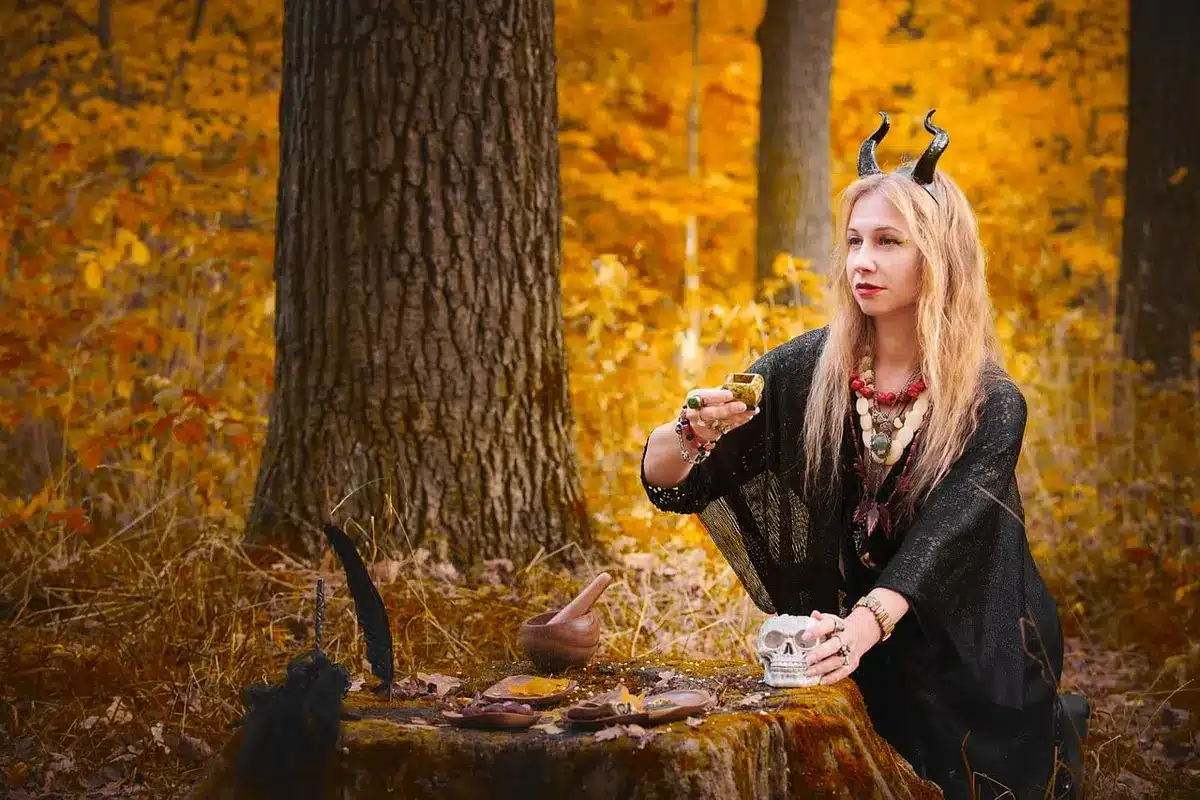
The result is a Baba Yaga who is at once comic, seductive and misunderstood. The series treats myth as a living thing that adapts to the anxieties of a new age. It also positions the myth to comment on contemporary forces like entitlement and gendered power.
A missing student, a closed community, and the case that starts it all
The inciting event is straightforward: a privileged college student named Henry disappears from his family’s remote mansion. Locals shrug. The police suspect partying. But the disappearance ripples outward. It draws in a determined local detective and a smarmy private investigator hired by the family.
Key plot beats to know
- Henry vanishes under ambiguous circumstances on a coastal island.
- A hard-nosed detective is assigned to the case.
- The family hires a private investigator who brings his own agenda.
- A biology professor becomes a focus of suspicion.
Characters who drive the mystery
The cast mixes well-known faces with emerging talent. Carrie-Anne Moss plays a biology professor whose private life fuels gossip. She turns restraint into a kind of magnetism.
Clark Backo anchors the show as the detective who notices small details. Her reactions are often quiet, but the screen finds meaning in those silences. Hudson Williams pulls double duty as both the cocky heir and his timid roommate. Noah Reid plays the hired private eye, balancing charm with sleaze.
Performances help the series stay interesting even when the plot loosens its grip.
Tone, pacing and the show’s visual identity
Yaga aims for a mix of eerie atmosphere and sly humor. Episodes are short and brisk, which creates bingeable momentum. The show leans on recurring motifs—dead birds, arcane symbols, and hallucinatory potions—to maintain a haunting mood.

Sound design and voiceover shape the world as much as visuals. The witch’s comments bookend episodes, offering a wry take on how stories are told. The camera often lingers on domestic scenes that feel slightly off, making the familiar look uncanny.
Where the series succeeds and where it struggles
The adaptation takes risks. Sandler expands the play’s scope, rearranging events and inventing characters to fill a television season. That freedom keeps the show lively, but it also produces uneven results.
- Strength: Distinct tone that blends sexiness and spookiness.
- Strength: Strong lead turns, especially from Moss and Backo.
- Weakness: Some plot threads feel suggestive without payoff.
- Weakness: Secondary characters sometimes lack depth.
At its best, Yaga is intoxicating and strange. At its weakest, it flirts with ideas rather than fully exploring them.
The show’s treatment of sex, power and rumor
Yaga places sexual politics at the center of the mystery. Gossip about an older professor’s relationships with students becomes fuel for suspicion. The series interrogates how desire and rumor can be weaponized.
It often plays with erotic undertones, mixing sensual language with forensic detail. Scenes that could read as simple exposition are shot to feel charged. This risky tonal blend is one of the show’s most distinctive choices.
Cast highlights and what they bring to the material
- Carrie-Anne Moss: Uses poise and quiet menace to complicate a polarizing character.
- Clark Backo: Builds a relatable detective through observation and restraint.
- Hudson Williams: Takes on two roles and shows notable range.
- Noah Reid: Offers charisma, though the script leans into a caricature of charm.
The actors often elevate material that could otherwise feel schematic.
Design choices and recurring symbols to watch for
Production design favors chilly interiors and weather-beaten exteriors. Props and motifs repeat in ways that feel intentional. Pay attention to:
- Dead birds and feathers as omens.
- Obscure symbols traced in basements and sheds.
- Potent liquids and ritualistic mixtures.
These elements create a vocabulary that ties the crime plot to the mythic undercurrent.
Adaptation decisions that shape the series’ identity
Sandler treats her own play as a starting point rather than a blueprint. She relocates scenes, invents new subplots and amplifies the world beyond the stage. This gives the show cinematic breadth but also invites structural growing pains.
Scenes that read as theatrical in origin sometimes remain deliberately elliptical. The TV format allows expansion, yet some expanded threads feel underexplored. The series prefers implication over explicit explanation.
Why the show feels bingeable despite flaws
Short episodes and a persistent mood make Yaga easy to devour. The series balances tension with winking humor and erotic charge. Viewers may find themselves compelled to keep watching to see how myth and mystery collide.
It moves fast, and it often delights, even if it doesn’t always satisfy.