Show summary Hide summary
- What the first episodes reveal about the reboot
- Deborah Moon: the new lead and her family ties to Hillman
- Young chemistry: the freshman circle and love sparks
- Returning alumni and Hillman’s living history
- Episodes that change the tone and deepen the stakes
- How comedy and crisis coexist on campus
- Strengths, limits and season length
- Creative team and tonal direction behind the scenes
- Moments that announce a distinct identity
- A Different World’s cultural conversation and relevance
- What viewers new and old might take away
Netflix’s revival of A Different World drops viewers back on Hillman’s campus with a modern soundtrack and familiar faces, then steadily finds its own voice through a lively freshman cast. What begins as reverent nostalgia soon blossoms into a show that balances campus comedy with real-world stakes.
What the first episodes reveal about the reboot
The opening installments trade heavily on recognition. Hillman looks updated. Fashion, music and social media threads place the series in the present day. The new theme, sung by Brandy, signals a reboot that wants to honor its roots while sounding contemporary.
Nas slams music industry over disrespect: teases new music, vows to address it
1992 vocal performances: 3 jaw-dropping moments that still amaze

At first, the revival leans on guest appearances from the original cast. Those cameos are comforting for long-time fans. They also risk overshadowing a young ensemble that is ready to carry the show.
Deborah Moon: the new lead and her family ties to Hillman
At the center is Deborah, played by Maleah Joi Moon. She’s the spirited freshman who lives in the shadow of her parents’ legacy. Her family links provide both plot fuel and dramatic tension.
- Parentage: Deborah is the daughter of Whitley and Dwayne.
- Whitley: Jasmine Guy returns as Whitley, now a cosmetics entrepreneur.
- Dwayne: Kadeem Hardison reprises Dwayne, who serves as Hillman’s provost.
Deborah is impulsive and well-intentioned. Her choices often land her in trouble, which sets up both comic mishaps and meaningful growth moments.
Young chemistry: the freshman circle and love sparks
The freshman group brings energy and distinct personalities. Romances and rivalries form quickly, and chemistry among the cast helps the show settle into a rhythm.

- Shaquille (Cornell Young IV): childhood friend and NFL prospect who complicates Deborah’s life.
- Kojo (Chibuikem Uche): an extroverted fashion major with Ghanaian-Nigerian roots.
- Rashida (Alijah Kai): a driven criminal justice student from Compton.
- Hazel (Kennedi Reece): Deborah’s polished and faith-forward friend.
- Amir (Jordan Aaron Hall): Hazel’s confidant, ready with humor and vulnerability.
The show mines both awkward, tender and comic moments from these pairings. Romance often carries the episodes, but it never feels aimless.
Returning alumni and Hillman’s living history
Creator Felicia Pride and director Debbie Allen weave legacy details throughout the series. Returning stars appear in ways that matter to the plot, not just as fan service.
- Cree Summer pops up as Freddie, now a professor.
- Darryl M. Bell’s Ron is tied to Shaquille’s backstory.
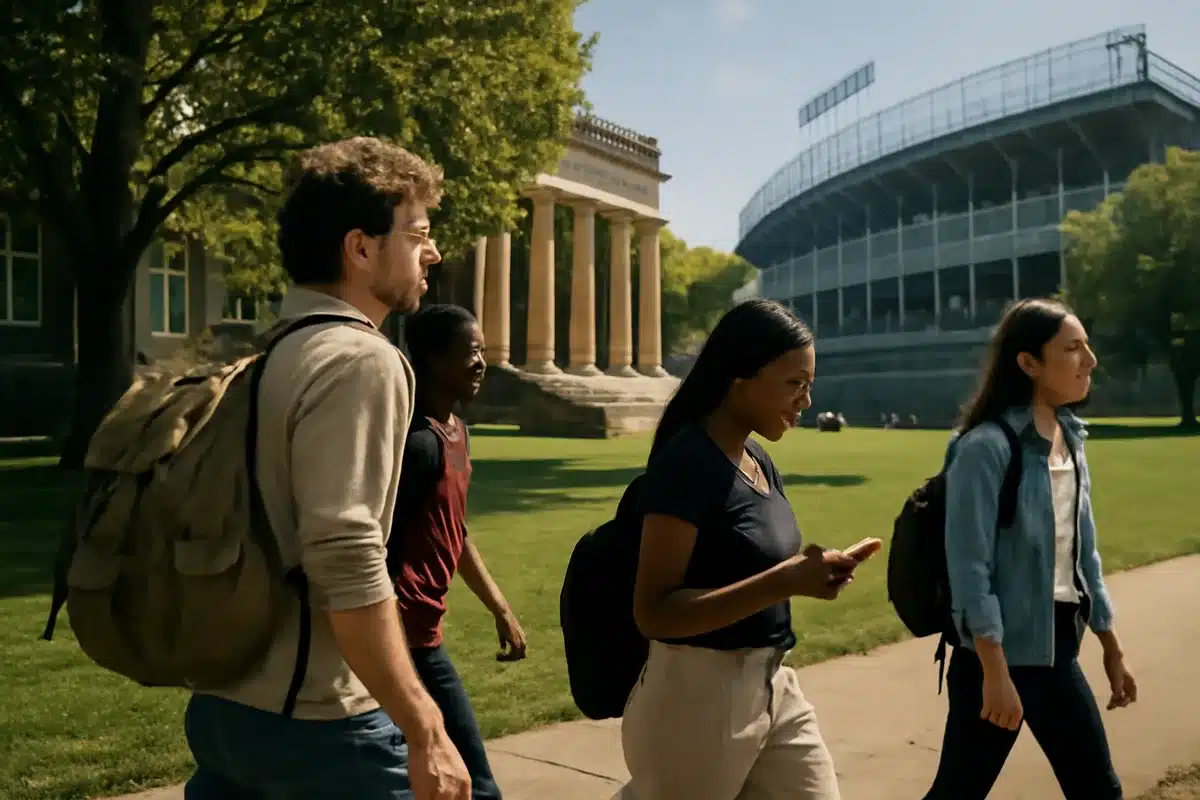
- Buildings and landmarks—libraries and stadiums—refer to past characters.
These touches make Hillman feel lived-in. They also underscore a central idea: the college is a bridge across generations.
Episodes that change the tone and deepen the stakes
The series moves beyond comfort-zone reunion material around episode four. That installment leans into dating season tensions and establishes the teen ensemble as its emotional core.
Episode five raises the stakes with a campus emergency during finals. The writing shows the series can handle darker themes without losing its heart. It reminds viewers that HBCUs have long faced threats and scrutiny in this country.
One of the show’s strongest moves is allowing students to react honestly to national and local dangers while still living their vibrant campus lives.
How comedy and crisis coexist on campus
The writers balance heavier beats with grounded, everyday detail. Lockdowns, protests and safety concerns exist alongside pageants, crushes and late-night parties.
- Students pray and plan for safety, then laugh about dorm contests.
- Romantic miscommunication plays out amid larger anxieties.
- Moments of joy and levity puncture tension in believable ways.
These choices keep the show from becoming a period piece or a straight drama. It remains a college comedy with layered emotional life.
Strengths, limits and season length
The revival’s warmth and character work are clear strengths. The ensemble is charismatic, and the series builds empathy for its young leads.
Where it stumbles is pacing. At just ten half-hour episodes, some plotlines feel squeezed. A longer season could let romances simmer and secondary arcs breathe.
Still, the show covers a lot of ground in a short span and often does so with clarity and care.
Creative team and tonal direction behind the scenes
Felicia Pride steers the series with affection for the original. Debbie Allen’s direction keeps the visual language familiar, while new writers update themes for a younger audience.
Music, wardrobe and campus design help signal continuity while showcasing fresh aesthetics. The result is a show that looks back without being trapped by the past.
Moments that announce a distinct identity
As the season progresses, the series stops being purely a continuation and starts asserting itself. Humorous set pieces and honest conversations reveal its priorities.
The show foregrounds a message about legacy: that yesterday’s students shaped the campus where today’s students build their futures. That theme runs through both character arcs and dialogue.
A Different World’s cultural conversation and relevance
The series engages with contemporary campus issues and generational differences. It explores identity, ambition and belonging through the lens of an HBCU experience.
Even small scenes — a dorm debate, a classroom exchange or a parent visit — carry cultural weight. They add texture to the broader narrative about what Hillman means now.
What viewers new and old might take away
Longtime fans get connective tissue to the original. New viewers gain characters who stand on their own. The balance between nostalgia and invention shapes how the revival will be received.
Ultimately, the show invites audiences into the rhythms of college life while pressing into the realities that complicate it. The mixture of fun and seriousness gives the series a distinctive pace and tone.