Show summary Hide summary
- Series snapshot: what to expect from The Body on Netflix
- Plot and setting: 2004 as a character
- Key characters and performances
- Strengths: atmosphere, visual cues, and certain relationships
- Shortcomings: pacing, character depth, and missed ideas
- Themes explored: religion, sex, and social spectacle
- Direction, tone, and creative fingerprints
- Who will enjoy The Body — and who might not
- Notable creative contributors and cast highlights
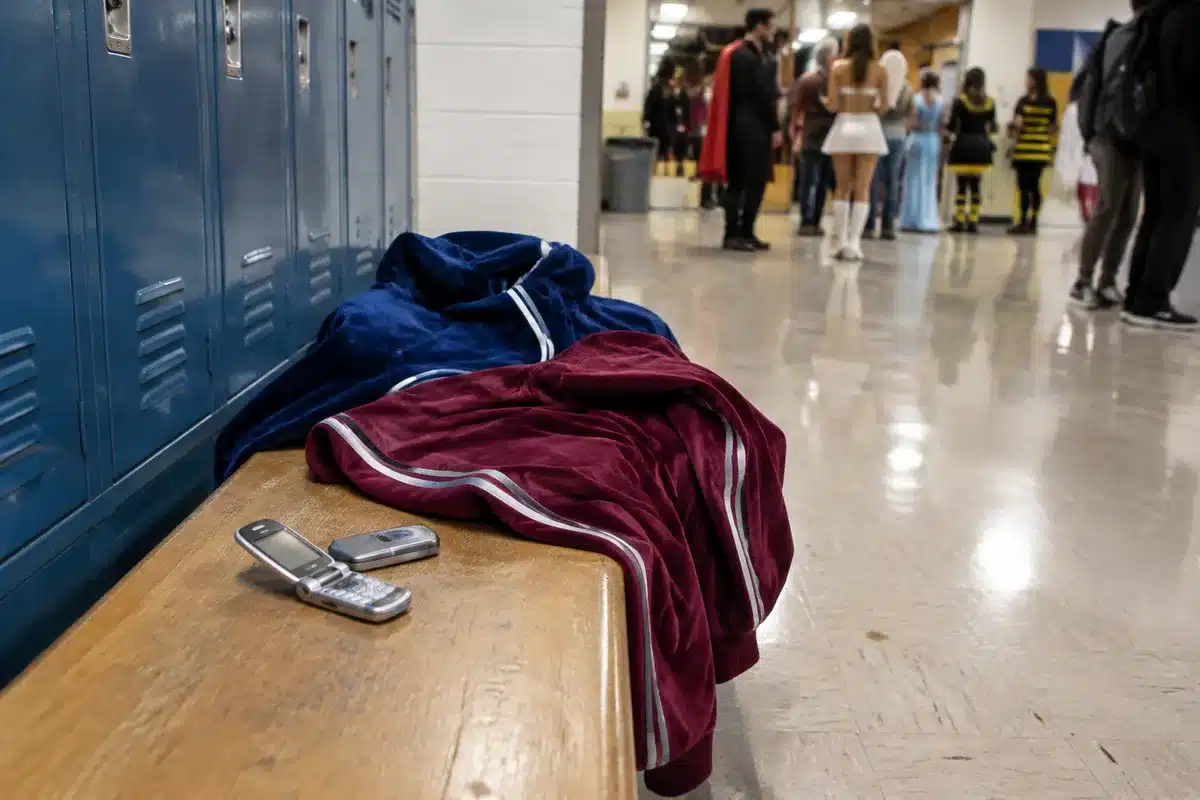
Quinn Shephard’s Netflix series plunges into small-town panic with a devilish spark and early-2000s sheen. Set amid velour tracksuits, flip phones and costume-party excess, the drama tracks a high-school dance team whose initiation ritual detonates paranoia and superstition across their community.
Series snapshot: what to expect from The Body on Netflix
The Body unfolds over roughly eight hours and leans into teen horror and religious panic. Think of it as a mashup of cult-era coming-of-age dread and ritual-driven hysteria. Its mood rarely tilts into outright terror or satire, but it does flirt with provocative excess.
Beastie Boys reunion: Ad-Rock and Mike D spark nostalgia on The Daily Show
Wu-Tang Clan hailed by Chris Rock as top of the top after Rock Hall induction
Where the show sits in genre conversation
- Echoes of Yellowjackets in its focus on girls-turned-legend.
- Glimmers of Carrie-style supernatural unease.
- Occasional flashes of Emerald Fennell’s audacity and Ryan Murphy’s glossy irreverence.
Plot and setting: 2004 as a character
The action takes place in fall 2004. The era is more than background; it’s a stylistic choice. Costume work and props — from Motorola flip phones to Balenciaga-daydream accessories — make the period tangible. The Lions, a female dance team at St. Marks Catholic High, are the narrative’s eye of the storm.

Inciting incident
A Halloween hazing intended as a rite of passage goes catastrophically wrong. A prank, a pill, a joke invoking Satan: small choices accumulate and give rise to strange visions. What starts in a locker room quickly escalates into town-wide dread.
Key characters and performances
The ensemble mixes familiar teen archetypes with a few striking turns. While several roles feel underdeveloped, one presence refuses to be ignored.
- Grace (Sofia Wylie) — the earnest newcomer whose goodness creates friction with the team.
- Elise (Sara Boustany) and Anya (Kristina Bogic) — co-captains bound by loyalty and secret struggles with identity.
- Lisbeth (Geena Meszaros) — the transfer student who becomes the show’s magnetic antagonist.
- Catherine (Louisa Krause) — Lisbeth’s strict, faith-driven mother.
- Father Franklin (Nnamdi Asomugha) — the priest whose investigation complicates belief and doubt.
- Shauna (Gabby Windey) — the dance coach, mostly cameo, who brings oddball charm.
Why Lisbeth dominates the frame
Meszaros crafts a quietly unsettling antagonist. Bleached brows and an off-kilter cadence turn small mannerisms into menace. Even in conversation, Lisbeth’s presence feels like a cold current cutting through the group.
Her performance anchors much of the show’s tension.
Strengths: atmosphere, visual cues, and certain relationships
The production score and wardrobe lean fully into nostalgia. Costume designer Mirren Gordon-Crozier outfits characters in the period’s particular glamour and irony. Some interpersonal dynamics land with genuine power.
- Elise and Anya’s chemistry creates believable intimacy and conflict.
- Leo, Lisbeth’s younger brother, offers emotional contrast as a sincere, vulnerable kid.
- Small casting choices — including Windey’s cameo — add texture to otherwise familiar beats.
Shortcomings: pacing, character depth, and missed ideas
Despite ambition, the series often skims rather than digs. Many characters stay on the surface, serving plot functions more than living as fully realized people. That creates a gap between what the show wants to examine and what it actually explores.
Specific narrative gaps
- Subplots begin with promise and vanish once their immediate utility ends.
- Father Franklin’s arc builds tension but rarely probes his faith in a nuanced way.
- The series gestures at cultural context — reality TV, wartime headlines — without robustly integrating those forces.
Opportunities to push darker or stranger themes are frequently abandoned.
Themes explored: religion, sex, and social spectacle
The Body repeatedly circles questions about belief and desire. It juxtaposes religious iconography with sexualization, often in blunt or performative ways. Costumes like the “slutty angel” become shorthand for a larger conversation the show only hints at.
How the series handles symbolism
- Religious motifs appear across visuals and narrative beats.
- Sexual imagery is used to provoke but rarely to interrogate deeply.
- More daring, subversive links between spirituality and sexuality are suggested but left unexplored.
Direction, tone, and creative fingerprints
Creator Quinn Shephard directs the premiere and steers the series’ tonal experiments. The show is confident in style and uncertain in focus. It often chooses surface shocks over sustained psychological excavation.
- Directorial flourishes occasionally approach grotesque or satirical territory.
- The mood remains mostly earnest, resisting full commitment to horror or dark comedy.
- Production design and music successfully evoke the early aughts.
Who will enjoy The Body — and who might not
Viewers drawn to mood, period detail, and a standout villain will find enough to engage. Those who demand tighter plotting or deeper character studies may feel shortchanged.
- Recommended for fans of teen supernatural thrillers and nostalgic settings.
- Less satisfying for audiences seeking rigorous thematic payoff.
Notable creative contributors and cast highlights
The show’s credits include both new faces and familiar performers. Production choices underscore the period and attempt to lend heft to the story’s religious stakes.
- Creator and director: Quinn Shephard (director of Under the Bridge).
- Costume designer: Mirren Gordon-Crozier.
- Standout cast: Geena Meszaros, Sofia Wylie, Sara Boustany, Kristina Bogic, Louisa Krause, Nnamdi Asomugha, Gabby Windey.