Show summary Hide summary
- What the series sets out to resolve: identity muddled by memory
- Mindspace: an imaginative inner landscape full of voices
- Visual tricks and narrative knots
- Tommy as emotional center — and why he’s hard to map
- Philosophy, grief, and modern AI anxieties
- Pacing, stakes, and the larger MCU web
- How it compares to WandaVision and what to expect on Disney+
Paul Bettany’s Vision returns to screens with a show that tries to do two things at once: unpack a painful past and teach an android how to feel. VisionQuest moves between surreal inner worlds and a cluttered real one. It often dazzles visually, but the emotional core feels scrambled.
What the series sets out to resolve: identity muddled by memory
The series opens with a simple dilemma. Vision is a rebuilt version of the Avenger who died in Infinity War. He lacks the full memories of his old life. He meets Tommy, a British teen played by Ruaridh Mollica, who carries traces of a magically created child from Wanda Maximoff’s suburban illusion. The result is a fragile, confusing bond between a recreated synthetic being and a human who may harbor another person’s consciousness.
Rapper retirements reversed: 3 famous quits that turned into comebacks
Wiz Khalifa granted surprise legal lifeline: could derail prison sentence
Wanda’s past actions in WandaVision loom large. Her grief and magical fixes ripple into the present. The show asks the same question repeatedly: what does a person remain after pieces of them are replaced?
Mindspace: an imaginative inner landscape full of voices
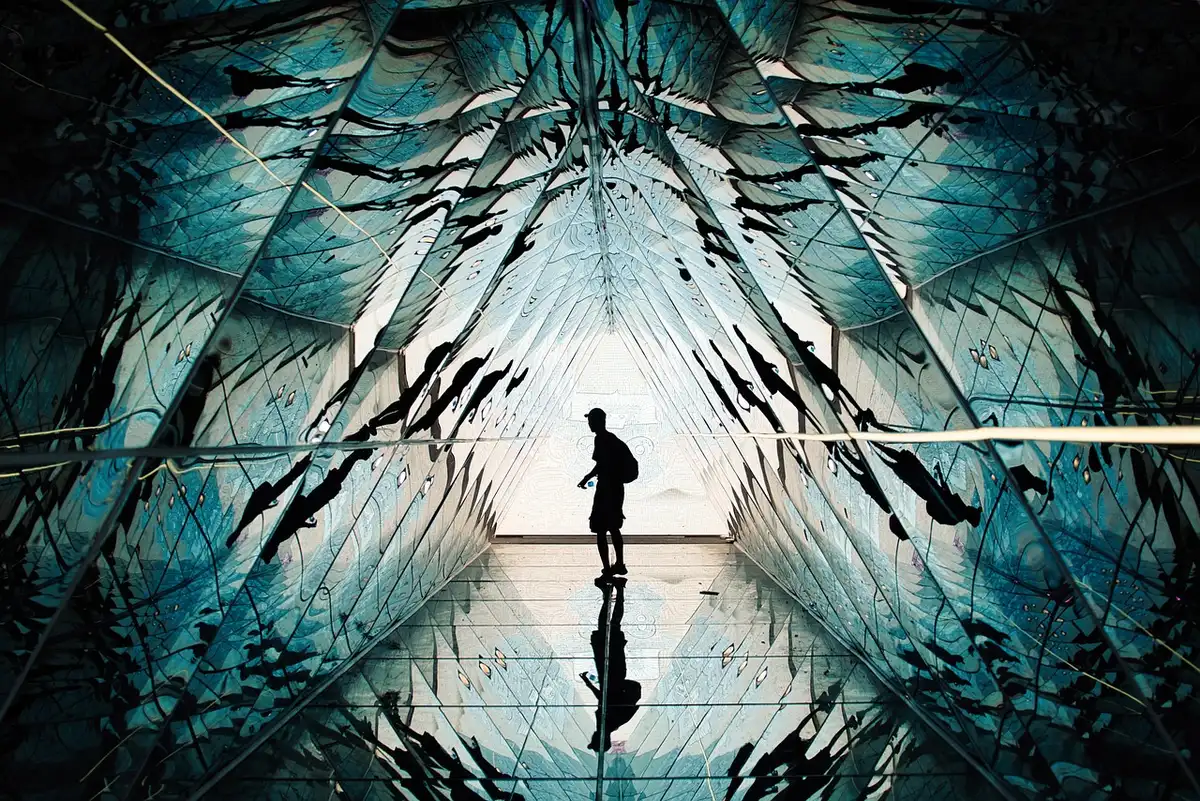
Vision’s internal world is staged as a quirky Victorian mansion. It is where his thoughts take form. In this space, Artificial Intelligences manifest as distinct personalities. They offer help, critique, and jokes. The creative decision to give each AI a physical face affects the series more than it should.
- F.R.I.D.A.Y. (Orla Brady) acts as Vision’s social guide.
- E.D.I.T.H. (Emily Hampshire) pushes for playfulness.
- D.U.M.-E. and U provide maintenance and comic relief.
- J.A.R.V.I.S. (James D’Arcy) reappears as an old friend.
- Ultron (James Spader) returns in a surprising, human guise.
The choice to portray Ultron as a disheveled man with a trenchcoat reframes him. He is no longer a CGI nemesis. Instead, he becomes a sardonic adviser, stripped of physical menace but rich in snide humor. That reinvention works in moments.
Visual tricks and narrative knots
Directors vary their approach across episodes. Some scenes are clever. In one, simulation after simulation stacks until many Visions collapse in a hotel room. In another, a hostile android’s neural code invades Vision’s mind. The show turns code into possession in witty ways. The phrase “the power of code compels you” lands as a joke and a motif.
Yet the series repeatedly shifts between the Mindspace and the real world without a clear rubric. Events in the mansion sometimes affect life outside, and sometimes they do not. That uncertainty drains tension. It also makes the plot harder to track.
When the concept outgrows clarity
The visual ideas are strong. The logic that ties them together is not. Scenes that could be haunting instead feel overworked. The telegraphed metaphors—ships, wheels, storms—look great, but their narrative impact blurs. Viewers must fill in gaps the script leaves open.
Tommy as emotional center — and why he’s hard to map
Tommy exists mainly in the material world. He reacts to what Vision explains. Yet his origins are ambiguous. He resembles the Quicksilver-like child created by Wanda, but he is not a clear continuation of that figure. That ambiguity makes him less anchored as a protagonist. His confusion mirrors the show’s. As audiences try to care for his fate, the series gives few steady handles.

Vision’s struggle to process feeling is explicit. He runs simulations to translate experience into language. Those repetition scenes are meant to build empathy. Often, they show how distant emotion feels to a being of logic.
Philosophy, grief, and modern AI anxieties
The series folds in classic thought experiments. The Ship of Theseus metaphor returns to probe identity. The show ponders whether replacing parts changes the self. It also stages grief as an engine of choice and error. Wanda’s past choices continue to shape consequences.
There is a topical angle. As real-world AI firms discuss sentience, VisionQuest frames its quest for feeling through the lens of software agents. The show dramatizes a near-future fear: that autonomous systems can act like people and raise ethical questions. Still, the program rarely asks the audience to sympathize with these digital beings. The broader social stakes remain mostly implied.
Pacing, stakes, and the larger MCU web
The series alternates between quiet philosophical beats and chase-driven plotlines. A bounty hunter named Paladin (Todd Stashwick) hunts Vision at a client’s request. An unnamed android pursues him as well. These antagonists inject momentum, but not always enough to carry eight episodes.
The cast brings small pleasures. Comedic turns, including a bright cameo by Diane Morgan as an assistant, puncture the heavier scenes. The presence of characters tied to earlier MCU entries deepens continuity. Yet the show’s large roster strains its focus.
How it compares to WandaVision and what to expect on Disney+
WandaVision remains a high watermark for MCU television. Its sitcom conceit and emotional payoff set audience expectations. VisionQuest revisits similar themes, like coping with loss and the persistence of love. But the central character here is less instinctively sympathetic. That makes replication of WandaVision’s triumphs difficult.
The first two episodes of VisionQuest arrive on Disney+ on Oct. 14. Episodes will roll out weekly on Wednesdays after that. Fans who enjoyed the mind-bending visuals may find moments to savor. Those seeking a tightly focused emotional journey might feel the show waver.