
Show summary Hide summary
- How technology is reshaping what you pay
- Practical price-checking: steps that work
- Privacy tools that can reduce price targeting
- Why you might skip the retailer app
- In-store shopping still helps, with caveats
- Fast tactics to limit being overcharged
- Where lawmakers are stepping in
- How to prioritize your time and effort
- Resources and habits that build long-term defenses
Shoppers are increasingly discovering that the price on their screen may not be the same as the price on someone else’s. New digital tools let companies tailor costs to you. That shift can mean paying more without realizing why.
How technology is reshaping what you pay
Retailers and platforms now use location, browsing habits and purchase records to set prices. Hotels, airlines and grocery chains are among those testing these methods. These tactics blend traditional price testing with modern data collection.
90s R&B: 3 artists who prove you have great taste
Drakeo the Ruler’s estate settles after fatal stabbing
Algorithms as price experimenters
Retail systems run small tests to learn how much a customer will accept paying. They track clicks, time on page and previous buys. Then they show different prices to different users to see which one converts.
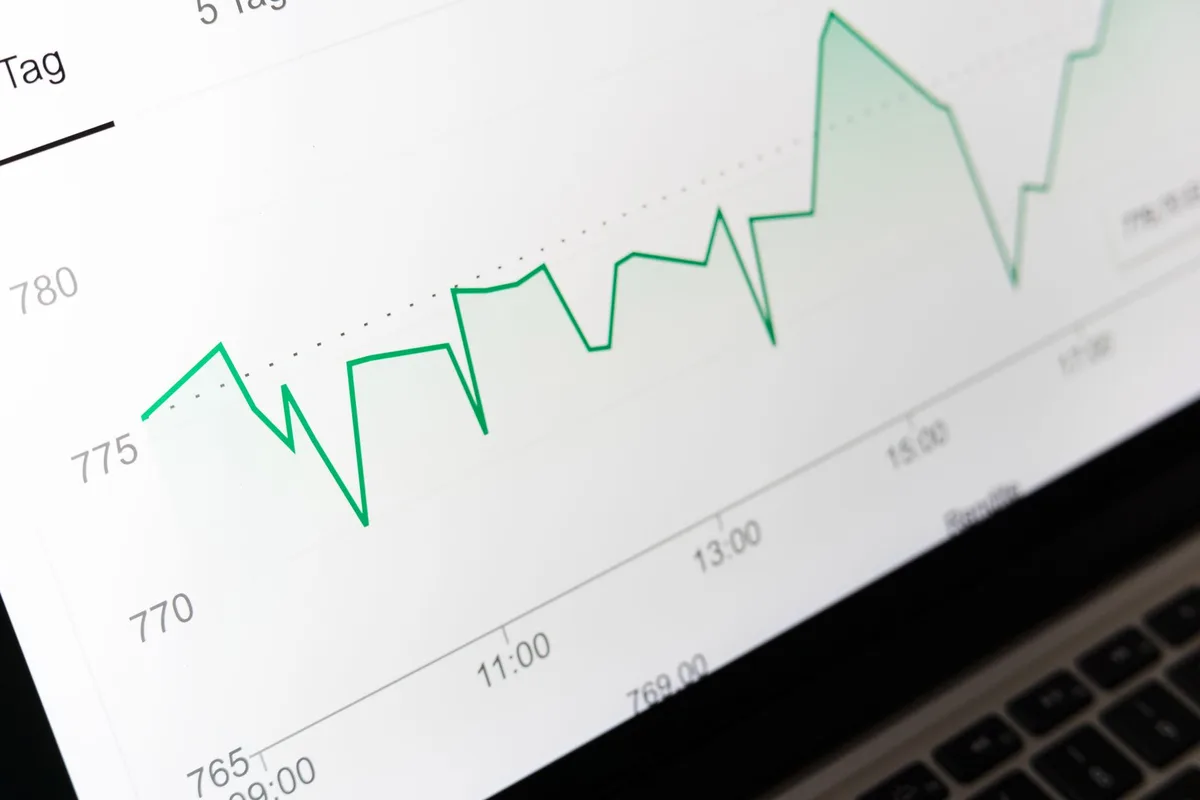
Personalized pricing is the result: the company estimates your willingness to pay and adjusts the offer. That can mean fewer discounts or higher rates for some shoppers.
Consumer advocate Lindsay Owens explores these trends in her recent book, Gouged. She argues that new tech has amplified long-standing tactics firms used to extract more money.
Practical price-checking: steps that work
Comparison shopping once meant visiting multiple stores. Now you also have to check that digital tests aren’t skewing results.
- Compare the same product across several websites and retailers.
- Check prices on different devices: phone, tablet and desktop.
- Try both logged-in and logged-out sessions for the same site.
- Use private or incognito windows to see if prices change.
- Ask a friend to look up the item on their device to validate the price.
These steps take more time. They are most useful for high-cost purchases like flights, hotels or electronics.
Privacy tools that can reduce price targeting
Making it harder for companies to follow you online reduces their ability to personalize offers. Simple privacy steps can change the price you see.

- Clear cookies and browsing history before comparing prices.
- Limit app permissions. Ask if an app really needs your location.
- Turn off inter-app data sharing where possible.
- Use a virtual private network (VPN) to mask your location.
Owens suggests running your own mini-experiments with a VPN. Changing your apparent location can reveal price differences between cities or regions.
Why you might skip the retailer app
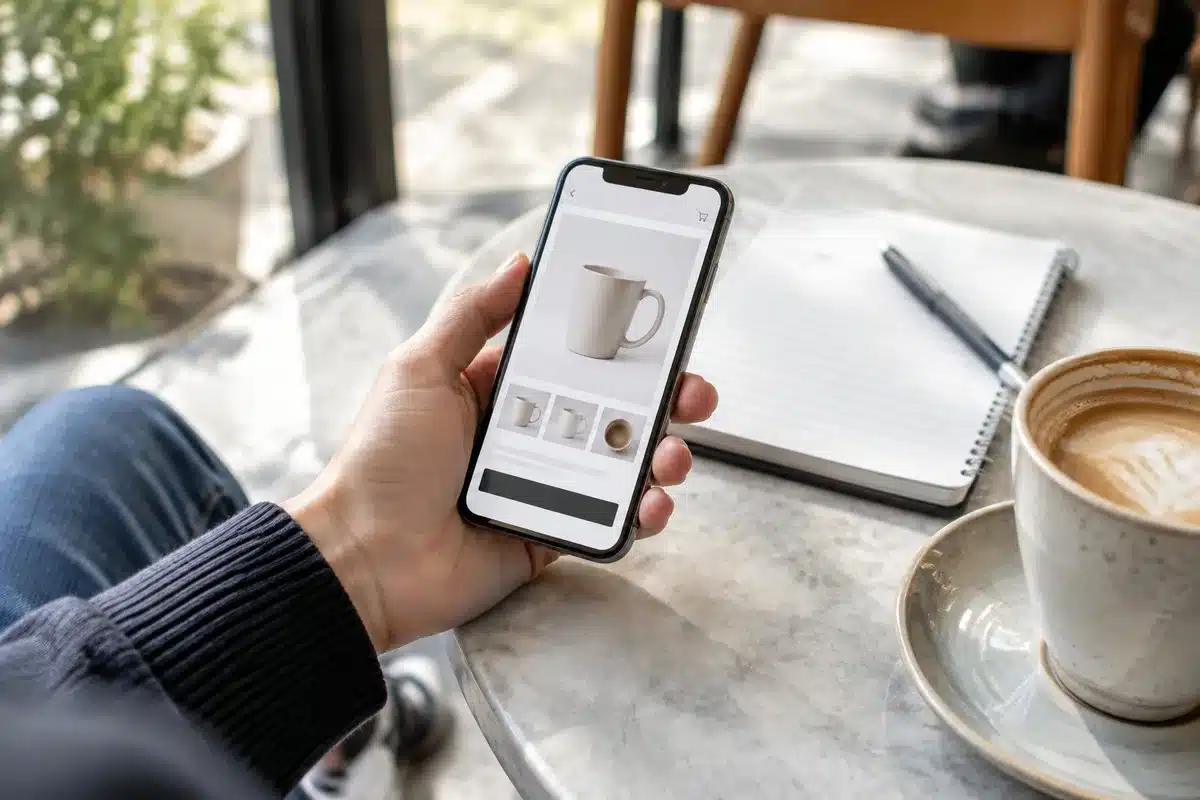
Shopping inside a store’s app can trigger tailored offers and exclusive promotions. But apps also collect dense personal signals.
When signed in, a retailer can access your location, past orders and on-site behavior. That data helps them decide what to test and how to price an item for you.
For big-ticket buys, avoid using the app while researching price. Use a browser in private mode or check on a device where you are not logged in.
In-store shopping still helps, with caveats
Buying from local businesses or handling purchases by phone can remove some algorithmic nudges. Small merchants are less likely to run complex pricing tests.
But digital pricing tools are moving into physical stores too. Electronic shelf labels let supermarkets and big-box stores change prices instantly. That increases price variability inside the aisles.
Some stores are even removing printed price tags. That can make budgeting harder for shoppers on tight incomes.
Fast tactics to limit being overcharged
- Turn off location services for shopping apps.
- Use private browsing to avoid building a targeted profile.
- Compare prices while logged out and from different IP addresses.
- Pay attention to dynamic prices on airline and hotel pages.
- Document prices with screenshots if you suspect a discrepancy.
Where lawmakers are stepping in
Some states are beginning to restrict personalized price tactics in certain industries. Maryland, for example, enacted a law limiting dynamic pricing at grocery stores and on some delivery platforms.
Advocates and legislators in other states are considering similar measures. These rules aim to curb opaque pricing that disproportionately affects certain groups.
How to prioritize your time and effort
Not every purchase warrants extensive sleuthing. For low-cost items, the time spent comparing may outweigh the savings.
Focus privacy measures and comparison efforts on purchases that are large or recurring. For travel, electronics and major appliances, invest the extra minutes to verify the best possible price.
Resources and habits that build long-term defenses
Adopt a few steady practices to reduce targeted pricing over time.
- Make clearing cookies a routine before major buys.
- Limit the number of retailer accounts you keep active.
- Install privacy-focused browser extensions.
- Use price-tracking services that notify you of drops.
- Support policies and businesses that favor transparent pricing.
Being proactive about privacy and shopping methods can protect your wallet. Small changes add up, especially for expensive purchases where algorithms influence the outcome.










