
Show summary Hide summary
- Defining the chest rest pose and why it reads familiar
- How the trend emerged across platforms
- Algorithms and mimicry: why we copy poses
- Psychology: what the gesture communicates
- Fashion, lighting, and composition that make it work
- Variations and how creators personalize it
- Critiques: commodifying vulnerability and performative emotion
- How brands and media are responding
- Practical tips if you want to try it
- Where the trend might evolve next
Scroll through any teen’s feed and you’ll likely spot the same subtle posture: one hand lightly touching the chest while the shoulders drop and the gaze drifts. That gesture — often called the “chest rest” pose — is cropping up in selfies and mirror photos worldwide. It looks effortless, but it’s the product of social cues, platform mechanics, and shifting ideas about authenticity and intimacy online.
Defining the chest rest pose and why it reads familiar
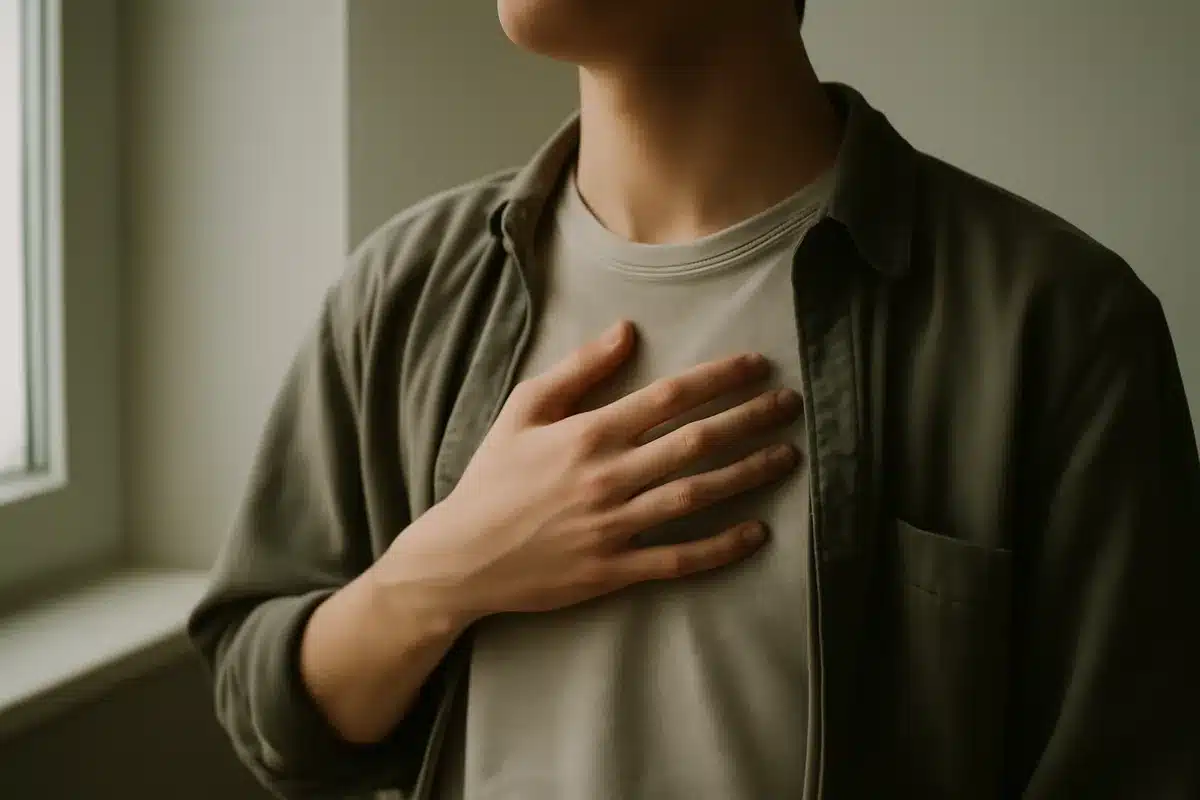
The chest rest pose usually shows a person with a relaxed torso, one hand resting or hovering over the sternum, and a slightly tilted head. It can be subtle or dramatic. That simplicity makes it versatile for selfies, couple shots, or editorial-style portraits.
Smashing Pumpkins reunite with legendary 90s producer Butch Vig on new Hunger Games track
U.K. terror plot: what we know and why the Gulf remains in limbo

Visually, the pose signals calm and vulnerability. The hand placement suggests protection or softness. The head tilt softens facial angles. Together they create a look that appears candid but is carefully staged.
How the trend emerged across platforms
Trends rarely start in a vacuum. The chest rest pose grew through short videos, influencer edits, and aesthetic photo edits. Platforms like TikTok and Instagram accelerate mimicry, turning one creator’s pose into a template.
- Micro-influencers set the template in niche communities.
- Viral videos show step-by-step recreations.
- Photo editing presets unify color and mood, making the pose instantly recognizable.
Algorithms and mimicry: why we copy poses
Social platforms reward repetition. Content that follows familiar formulas tends to get shown more. When a pose pairs well with trending audio or a popular filter, it spreads fast.
Creators mimic successful posts to tap into visibility. The chest rest pose is simple to reproduce, which lowers the barrier to participation and boosts its circulation.
Peer signaling and belonging
For many young users, copying poses is a way to belong. Doing the chest rest pose aligns someone with a visual culture. It says, implicitly: I know this aesthetic. I’m part of this community.
Psychology: what the gesture communicates
The chest rest pose draws on basic body language. Covering or touching the chest can indicate warmth, self-soothing, or introspection. When filtered through a camera, those cues become legible signs of emotional depth.
- Self-protection: the hand over the chest suggests vulnerability.
- Poise: the pose creates graceful lines and a composed silhouette.
- Relatability: subdued emotion feels more authentic than overt glamour.
For younger users, authenticity is currency. A photo that hints at feeling often scores higher engagement than a polished, neutral portrait.
Fashion, lighting, and composition that make it work
The chest rest pose pairs well with soft, directional light and muted palettes. Clothes with simple necklines emphasize the hand placement and collarbone. Cropped frames that focus on the upper torso help keep attention on facial expression.

Photographers and influencers recommend small changes:
- Use window light at a 45-degree angle for soft shadows.
- Keep the hand relaxed, fingers slightly apart.
- Angle the camera slightly above eye level for a flattering look.
Variations and how creators personalize it
Not everyone adopts the pose the same way. Some add props, others change hand placement. Small tweaks keep the gesture fresh and allow personal expression.
- The minimalist: a quick touch to the center of the chest.
- The dramatic: splayed hand, intense stare, strong editing.
- The playful: a half-smile and exaggerated tilt for a tongue-in-cheek effect.
Personalization avoids the “copycat” stigma. Creators who adapt the pose maintain trend momentum while preserving individuality.
Critiques: commodifying vulnerability and performative emotion
Not all reaction is positive. Some critics say the pose reduces real emotion to a commodified look. When vulnerability becomes a visual shortcut, it can feel performative.
Other concerns focus on homogenization. As more people adopt the same posture, feeds can lose variety. That sameness fuels backlash and sparks new micro-trends.
How brands and media are responding
Brands notice what drives engagement. The chest rest pose has been absorbed into campaigns that want to appear intimate or heartfelt. Magazines and lifestyle outlets also feature it in how-to galleries and style guides.
Marketers favor the pose for its emotional clarity. It communicates closeness without heavy scripting, which is useful for campaigns that aim to feel organic.
Practical tips if you want to try it
- Relax your jaw and shoulders to avoid tension showing.
- Experiment with different hand placements — try the sternum, collarbone, or just below the throat.
- Use a remote or timer to avoid stiff arms from holding the phone.
- Keep edits subtle to preserve the sense of candor.
Where the trend might evolve next
Visual trends shift quickly. The chest rest pose could be remixed with vintage filters, cinematic framing, or companion gestures from other aesthetics. It may also fade as new poses capture attention.
Either way, the pose illustrates how simple physical actions can carry complex cultural meanings online. Its future will depend on creators, audiences, and the platforms that amplify them.










