Show summary Hide summary
- Why wardrobe choices can signal political alignment
- Everyday pieces often linked to Republican identity
- Symbols and logos that carry political weight
- Regional and demographic differences in conservative fashion
- How events influence the wardrobe language
- Why some items feel polarizing
- How to read signals without jumping to conclusions
- Practical tips for those who want neutral or nonpartisan dressing
- When fashion becomes a conversation starter
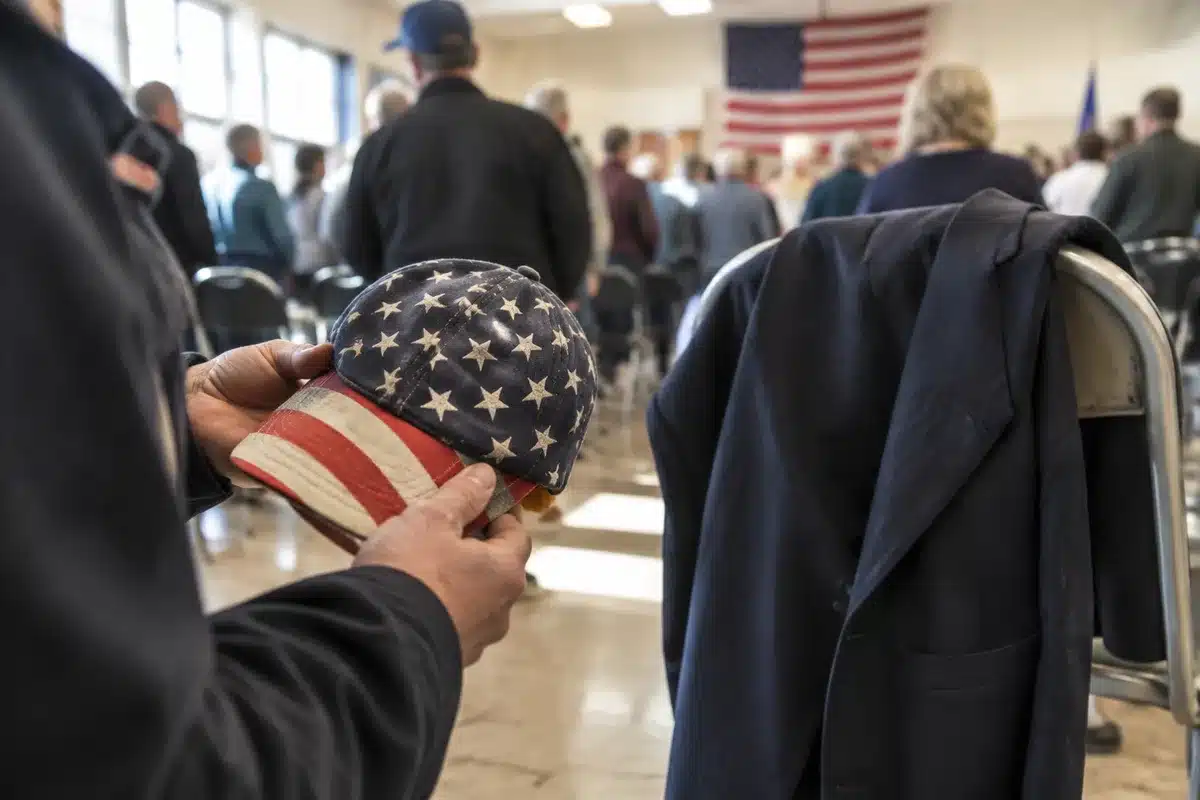
The clothes we choose can send a loud message before a word is spoken. Stylists and cultural observers say certain garments often align with conservative or Republican identities. From the red cap that became a political emblem to the crisp blazer seen at town halls, these items carry meaning in the U.S. fashion landscape.
Why wardrobe choices can signal political alignment
Clothing is a form of shorthand. It communicates values, lifestyle, and group belonging. Experts in fashion and sociology note that style cues can be as recognizable as slogans. When people spot recurring patterns, they start linking looks to political ideas.
80s British indie bands that changed American alternative rock forever
Pearl Jam drummer quits after 27 years: band says where things stand
Context and intent matter. A candidate at a rally may wear a particular hat to energize supporters. Someone else might wear similar items as a cultural statement rather than a political endorsement.
Everyday pieces often linked to Republican identity
Certain staples appear repeatedly in photos of conservative politicians and voters. These items are not universally political, but they are frequently observed in conservative circles.
Casual and weekend wear
- Red baseball cap—The red cap has become an immediate visual cue for many. It is one of the most identifiable political accessories in recent years.
- Polo shirts and boat shoes—These convey a preppy, conservative aesthetic tied to country-club culture.
- Camo and hunting gear—Outdoorswear signals support for gun rights and rural lifestyles.
- Cowboy boots and Western shirts—Popular in parts of the country where conservative identity overlaps with ranching and rural pride.
Work and formal attire
- Classic tailored blazers and suits—A polished, traditional business look often associates with conservative professionalism.
- Muted ties and conservative prints—Subtle patterns and solid colors are common in conservative business circles.
- Pocket squares and polished leather—Small touches that nod to tradition and formality.
Symbols and logos that carry political weight
Beyond silhouettes, symbols play a big role. Flags, patches, and branded items can shift a neutral outfit into a political statement.
- American flag pins or lapel flags—Worn as a sign of patriotism, often visible on politicians and supporters.
- Branded campaign merchandise—Hats, shirts, and signs tied to a candidate or movement remove ambiguity.
- Second Amendment or hunting brand logos—These can indicate stance on gun ownership and rural values.
Regional and demographic differences in conservative fashion
Not every Republican looks the same. Geography, age, and profession shape how political style shows up.
- Southern conservatives may favor Western wear and bold boots.
- Suburban supporters might lean into polos, khakis, and classic loafers.
- Older generations often prefer traditional suits and subdued colors.
- Younger conservatives may mix streetwear with patriotic symbols.
How events influence the wardrobe language
Dress codes change depending on setting. Experts say the same person can send different signals with a minor change in outfit.
- At rallies: bold logos and campaign gear dominate.
- At fundraisers: formal suits and upscale accessories are common.
- At community events: casual Americana like polos and flag pins often appear.
Why some items feel polarizing
Certain garments become polarizing when they are repeatedly used in charged political contexts. The repeated use turns simple clothing into loaded symbols.
Repetition and media exposure can amplify meaning. When a look is highlighted in photos or broadcasts, it acquires a cultural tag that persists beyond the original wearer.
How to read signals without jumping to conclusions
Clothing can give clues, but it rarely tells the whole story. Fashion is personal and layered with multiple meanings.
- Consider the setting. A red cap at a sports game is not the same as at a political rally.
- Look for patterns rather than single items.
- Ask rather than assume when possible.
Practical tips for those who want neutral or nonpartisan dressing
If you prefer to avoid political signaling, choose classic pieces with no overt symbols. Neutral colors and minimal branding help.
- Avoid conspicuous logos and political slogans.
- Opt for timeless cuts and muted palettes.
- Use accessories that reflect personal taste, not political stance.
When fashion becomes a conversation starter
Clothing can open dialogue or close it. In many communities, sartorial cues spark conversations about values, identity, and belonging.
Understanding the visual language of clothes helps navigate social settings. Whether you’re dressing to blend in or to make a statement, knowing the signals matters.