
Show summary Hide summary
- Why ministers are encouraging households to hold extra groceries
- Supply chain weak points that can leave shelves bare
- How to choose what to keep at home
- How to avoid contributing to panic buying
- What government guidance recommends and what it doesn’t
- Practical emergency food plans for different households
- Money-saving and waste-reducing strategies
- How businesses and local authorities fit into the picture
- When to act and when to wait
The UK is being told to plan for potential gaps on supermarket shelves, and the message has prompted fresh debate about why families should keep extra food at home. Officials point to a mix of logistics, geopolitics and weather that can suddenly strain supplies. Knowing how to prepare can ease pressure and reduce panic when disruptions hit.
Why ministers are encouraging households to hold extra groceries
Several factors have pushed the issue into the headlines. Global conflicts have raised energy and commodity costs. Extreme weather has damaged harvests in regions the UK relies on. Labour shortages and industrial action have interrupted transport and distribution.
Nas slams music industry over disrespect: teases new music, vows to address it
1992 vocal performances: 3 jaw-dropping moments that still amaze
Policy-makers say a modest reserve helps households cope during short-term interruptions and gives supermarkets time to restock.
Supply chain weak points that can leave shelves bare
Food moving from farm to plate depends on many links. If any break, delays and shortages can follow.

- Transport: lorry driver shortages or port congestion slow deliveries.
- Energy: high gas or fuel prices raise production and transport costs.
- Agriculture: droughts, floods or disease reduce crop and livestock yields.
- Trade: import restrictions or export bans shift global availability.
- Industrial action: strikes at processing plants or logistics hubs halt flows.
Why small shocks can ripple fast
Supermarkets rely on just-in-time logistics. There is little room for delay. A single major disruption can create shortages nationwide within days.
How to choose what to keep at home
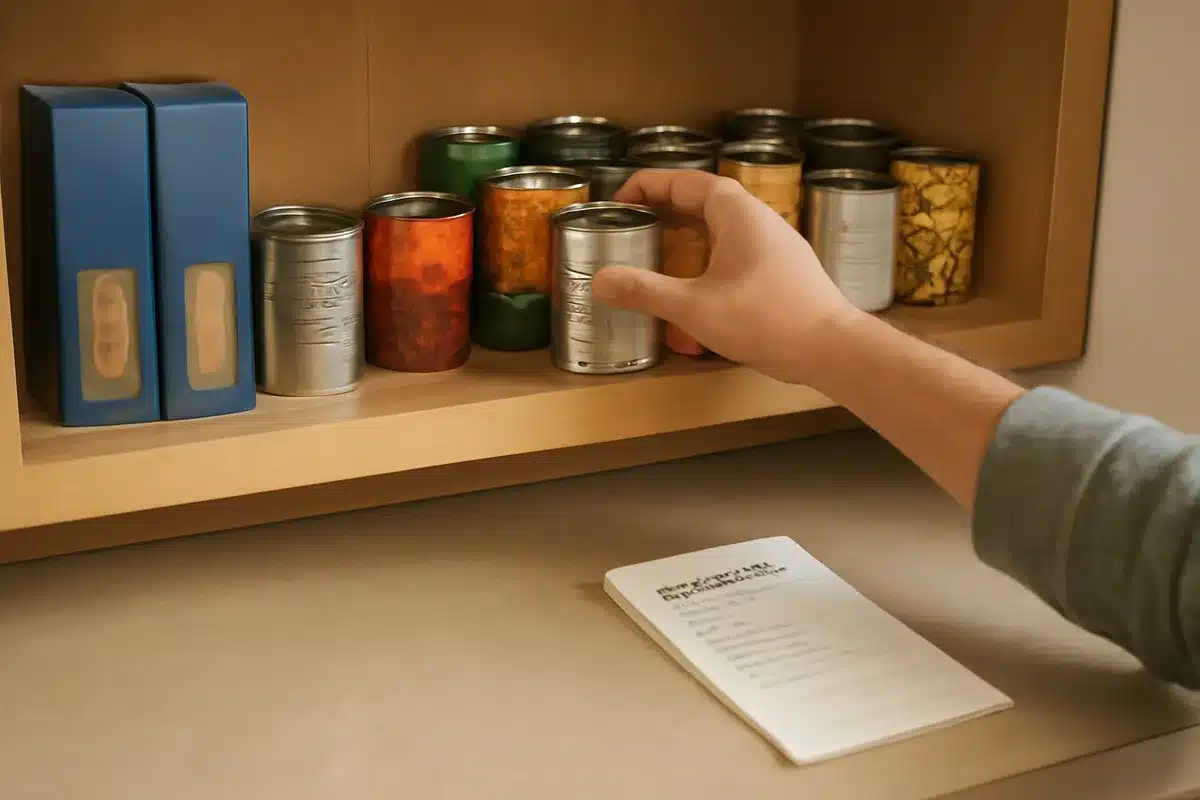
Building a practical reserve does not mean hoarding. Aim for staples you use and can store safely.
- Dry goods: rice, pasta, pulses and cereals.
- Canned items: tomatoes, beans, soups and fish.
- Long-life dairy: UHT milk and powdered alternatives.
- Cooking essentials: flour, sugar, oil and salt.
- Ready meals: tinned stews or pouches for emergencies.
- Baby and medical needs: formula, special milks and prescriptions.
Storage and quantity tips
Store food in a cool, dry place away from direct sunlight. Keep rotation in mind so nothing expires unused.
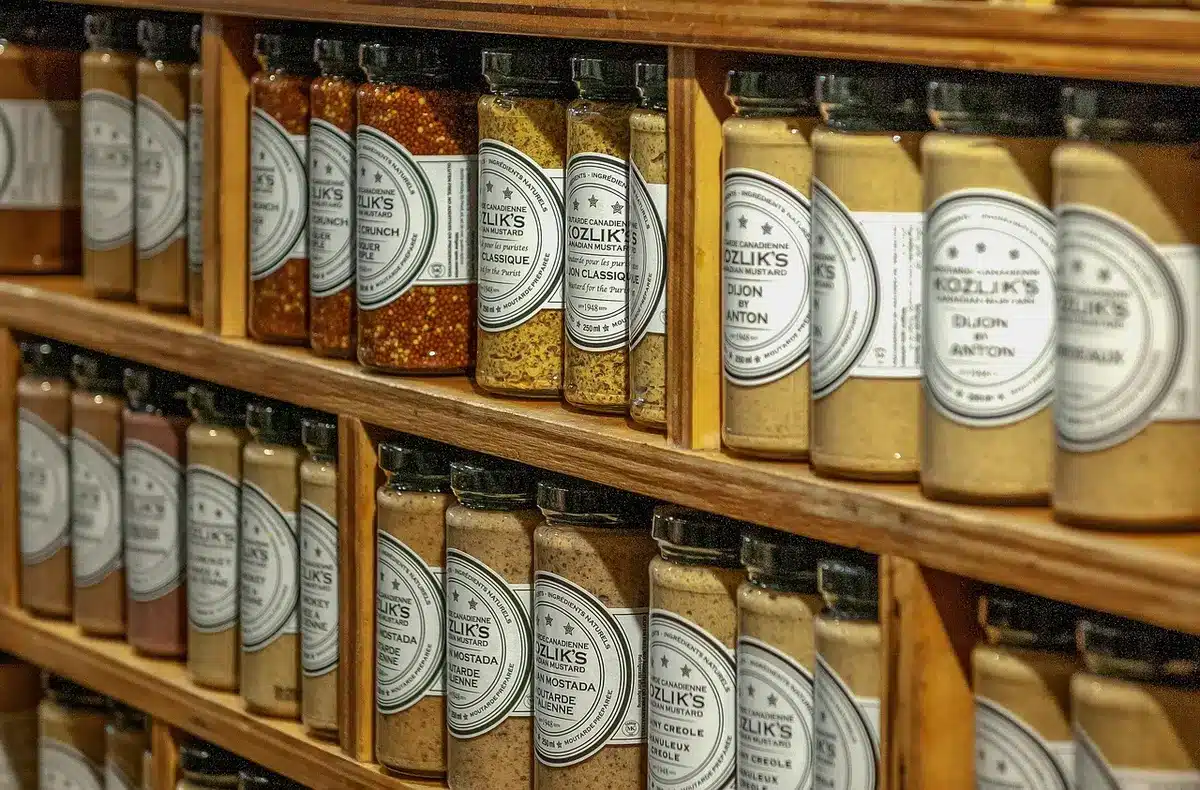
- Build a two-week supply as a practical baseline.
- Label purchases with dates and use older items first.
- Check packaging for storage instructions and allergens.
How to avoid contributing to panic buying
There is a balance between preparedness and hoarding. Acting responsibly helps everyone.
- Buy what you need for a short reserve, not months of extras.
- Share tips with neighbours and support those who struggle.
- Choose versatile items that multiple households can use.
What government guidance recommends and what it doesn’t
Official advice tends to focus on sensible planning rather than alarm. Guidance highlights practical steps for households, schools and businesses.
The aim is resilience, not stockpiling for months. Authorities stress preparedness for disruptions lasting days to weeks.
Practical emergency food plans for different households
Needs vary by household. Tailor your list to age, diet and medical conditions.
- Families with young children: include formula, baby food and snacks they will eat.
- Those on special diets: keep appropriate substitutes on hand.
- People living alone: smaller containers and shareable items help avoid waste.
- Community hubs: local centres can coordinate shared stocks and distribution.
Money-saving and waste-reducing strategies
Preparedness need not be costly. Smart shopping and storage cut waste and expense.
- Buy versatile staples on offer and freeze portions.
- Use apps and lists to avoid impulse purchases.
- Rotate stock and plan meals around what you already have.
How businesses and local authorities fit into the picture
Retailers and councils work on contingency plans. They adjust logistics and prioritise vulnerable groups when supply is tight.
Coordination between private and public sectors helps minimise disruption. Targeted support often accompanies wider messaging on preparedness.
When to act and when to wait
Watch reliable news and official bulletins. Sudden price spikes or delivery notices can signal the need to top up your pantry.
Avoid knee-jerk reactions. Small, planned purchases are more useful than panic buying.










