

Show summary Hide summary
More Americans are asking where their food comes from. Concerns over safety and freshness are pushing shoppers toward local sources. Farmers markets are growing in relevance as people seek shorter supply chains and more transparency about what they eat.
Why origin matters to modern shoppers
Recent polling shows a clear shift in priorities. A 2025 study found that a majority of U.S. consumers want to know the origin of their food. Many also prefer items that are reliably available from nearby producers.
Nas slams music industry over disrespect: teases new music, vows to address it
1992 vocal performances: 3 jaw-dropping moments that still amaze
Transparency and trust are driving factors. When food passes through many hands, people worry about contamination and inconsistent handling. Local sourcing promises a simpler chain from grower to buyer.
The role of farmers markets in local food systems
America supports thousands of farmers markets and tens of thousands of growers who sell directly to the public. These markets serve as hubs for seasonal produce and specialty items.
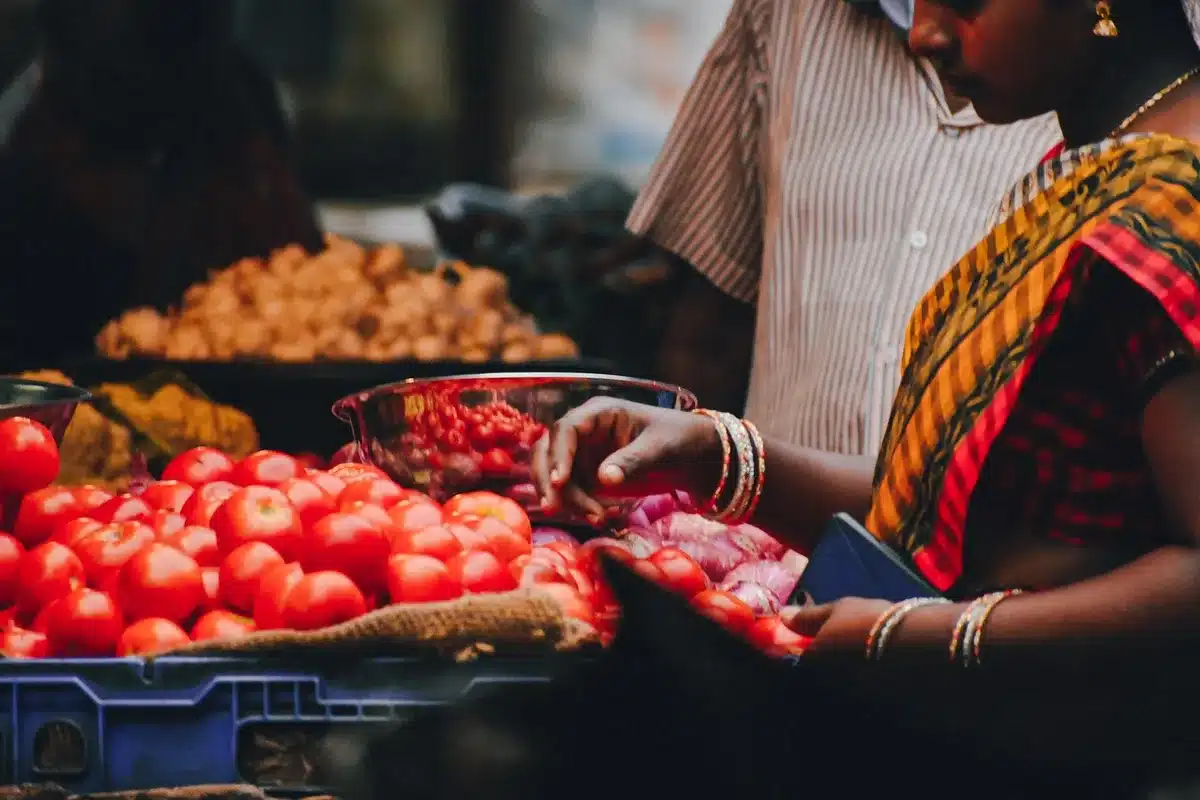
- Shorter transport distances often mean fresher produce.
- Direct sales let consumers ask about growing practices.
- Small farms can offer varieties not found in supermarkets.
Buying direct can reduce handling steps and give shoppers clearer answers about farming methods.
How independent farms compete with big grocery chains
Small family farms use several tactics to attract customers and compete on value.
- Weekly market stands and community-supported agriculture (CSA).
- Stories and provenance: customers connect with people behind the food.
- Specialty crops, heirloom varieties, and seasonal exclusives.
- Emphasis on quality, freshness, and shorter shelf time.
A field visit near Camarillo, California
On a recent visit to a family-run farm outside Camarillo, workers were harvesting vegetables for that weekend’s market. The farm owner described how produce moves straight from rows to crates bound for the stall.
Customers at the market asked about pesticides, harvest dates, and storage. The personal exchange is a selling point that big stores cannot easily replicate.
Food recalls, public confidence, and safety risks
High-profile recalls have shaken consumer trust across the country. When packaged products are pulled from shelves, shoppers often look for alternatives they consider safer.
Foodborne outbreaks typically involve multiple steps in the supply chain. Reducing those steps can lower some risks, though it does not eliminate them.
How to shop smart at markets
Simple habits help reduce risk and maximize quality when buying from local vendors.
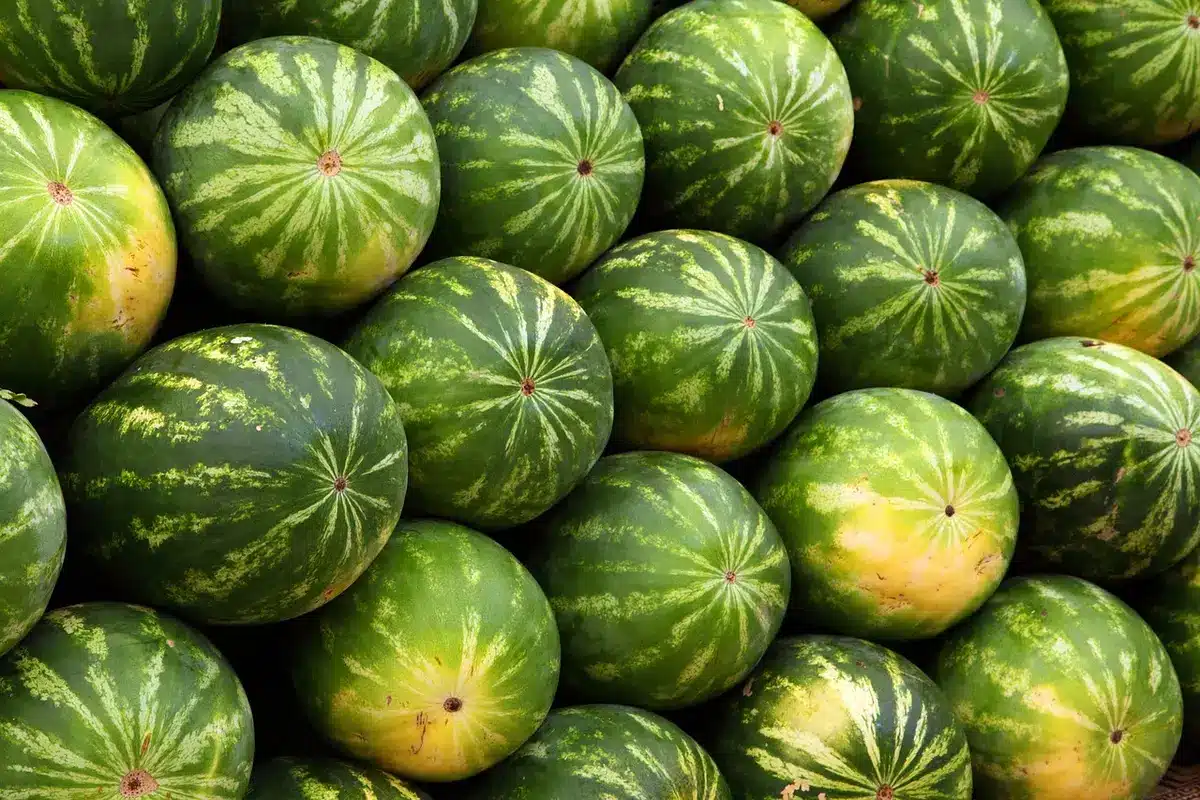
- Ask where and when items were harvested.
- Look for clean handling and temperature control.
- Inspect produce for damage and proper storage.
- Wash fresh produce thoroughly before use.
- Keep perishable items refrigerated after purchase.
Reliable sources and further reading
- Profile and growing practices of a local family farm (example: McGrath Family Farm).
- The FDA’s online recall and alert tracker for recent food recalls.
- Findings from the IFIC 2025 food and health consumer survey.
- Investigative coverage on farmers markets and safety from national outlets.
- Reports examining large fresh-produce suppliers and supply-chain issues.
- CDC resources explaining how foodborne outbreaks develop and spread.
This video content is supported by Verizon Business. Editorial control and reporting remain independent of the sponsor.










