Show summary Hide summary
Former President Donald Trump posted a striking image on Truth Social that quickly drew attention — not for its message, but for what it hid. Users who dug deeper discovered the unaltered photograph, sparking a wave of online criticism and renewed debate over image manipulation in political communication.
What appeared on Truth Social and why it stood out
The post featured a glossy portrait of Trump that many described as unusually polished. The lighting, background and proportions looked adjusted. Within hours, screenshots and comments circulated across social platforms questioning the post’s authenticity.
Nas slams music industry over disrespect: teases new music, vows to address it
1992 vocal performances: 3 jaw-dropping moments that still amaze
- Platform: Truth Social was the medium for the post, making it instantly visible to a large base of followers.
- Visual cues: Smooth skin texture, exaggerated contrast and altered surroundings raised red flags.
- Reach: The image was reshared by supporters and critics alike, accelerating its spread.
How the original image was found
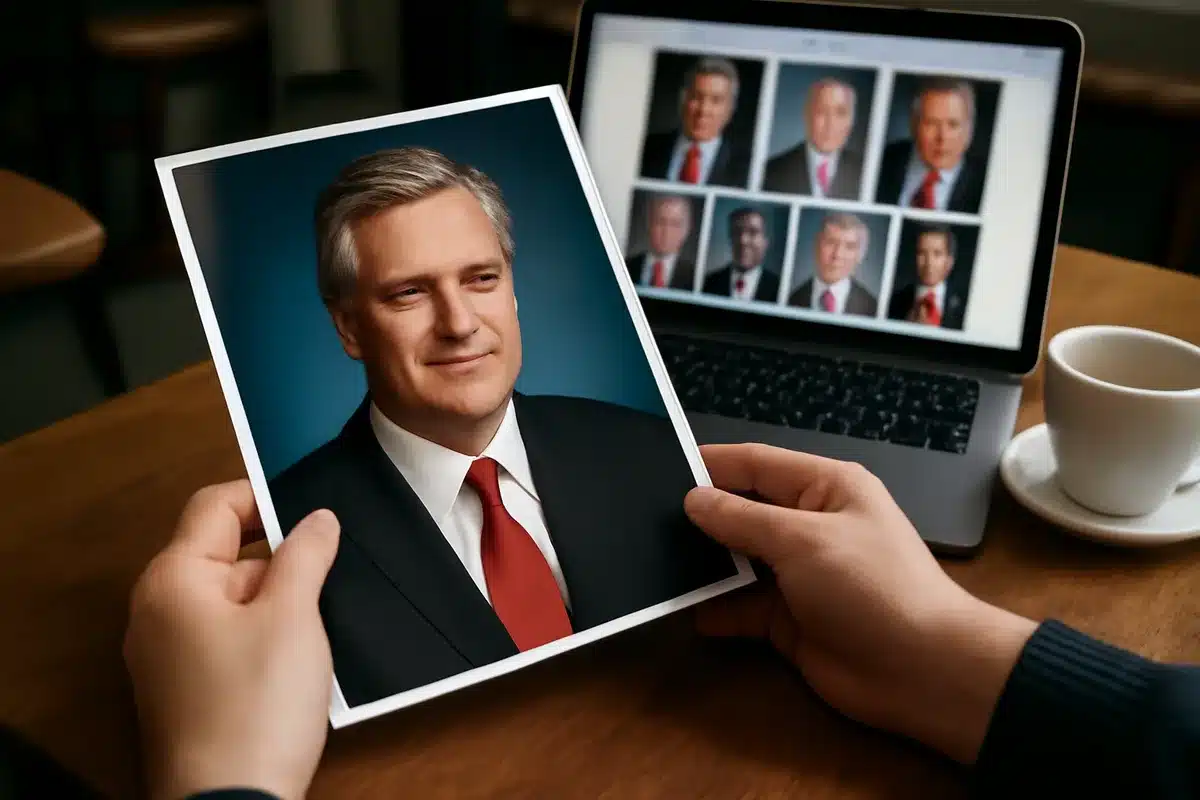
Online sleuths and journalists used simple forensic tools to track down the source. A reverse image search revealed the unedited photograph, which looked markedly different from the version shared on Truth Social.

Steps taken to verify the photo
- Reverse image search to locate matching photos across news outlets.
- Comparative analysis of metadata where available.
- Side-by-side visual comparison to spot retouching and cloning artifacts.
Those checks exposed edits to background elements and facial features. The original showed natural lighting and context that were removed in the posted version.
Technical signs of manipulation explained
Image editing can be subtle. Experts pointed out several telltale signs in the shared photo that indicate post-processing beyond standard color correction.
- Uneven shadowing inconsistent with the light source.
- Blurred or repeated textures where details should remain distinct.
- Color grading that isolates a subject from its environment.
Forensic tools such as error level analysis and histogram inspection help reveal these anomalies.
Public reaction and political implications
The discovery of the original photo prompted immediate commentary. Opponents accused the account of trying to craft a misleading image. Supporters defended the post as routine editing, common in political imagery.
- Critics argued the edits were deceptive.
- Some supporters dismissed the fuss as partisan nitpicking.
- Media outlets used the episode to discuss broader issues of trust and authenticity online.
Why this matters for media trust and campaigns
Images shape public perception quickly. When edited photos circulate without disclosure, they can distort reality and erode trust. For political figures, that risk becomes both a communications strategy and a liability.
Transparency about edits matters more as deepfakes and AI tools make manipulation easier.
Practical tips to check photos yourself
Readers can use a few simple techniques to evaluate images before sharing them.
- Run a reverse image search with Google or TinEye.
- Compare the post against original news photos.
- Inspect shadows and reflections for consistency.
- Look for repeating textures that suggest cloning tools were used.
- Use basic forensic websites or apps for an error level analysis.
How platforms and journalists respond
Platforms face pressure to label manipulated media. Journalists say faster verification is essential, while some social networks develop policies to tag altered images.
Newsrooms often publish side-by-side comparisons to show the public what changed. That approach has become a common way to demonstrate transparency and counter misinformation.