Show summary Hide summary
- Home and work life: How ordinary spaces and tools were reshaped
- Health and hygiene: Everyday items we now treat differently
- Shopping, payments and services: Retail bent toward contactless and convenience
- Food, dining and leisure: Where convenience met caution
- Travel, transport and public spaces: The visible and hidden changes
- Technology and communication: Small upgrades with big effects
Life after 2020 left fingerprints on the smallest parts of daily routine. Many changes slipped into habit before people named them, altering how we work, pay, shop and socialize. Below are 30 ordinary things that evolved in ways most of us barely noticed but now shape everyday life.
Home and work life: How ordinary spaces and tools were reshaped
Nas slams music industry over disrespect: teases new music, vows to address it
1992 vocal performances: 3 jaw-dropping moments that still amaze
Remote-first tools and furniture
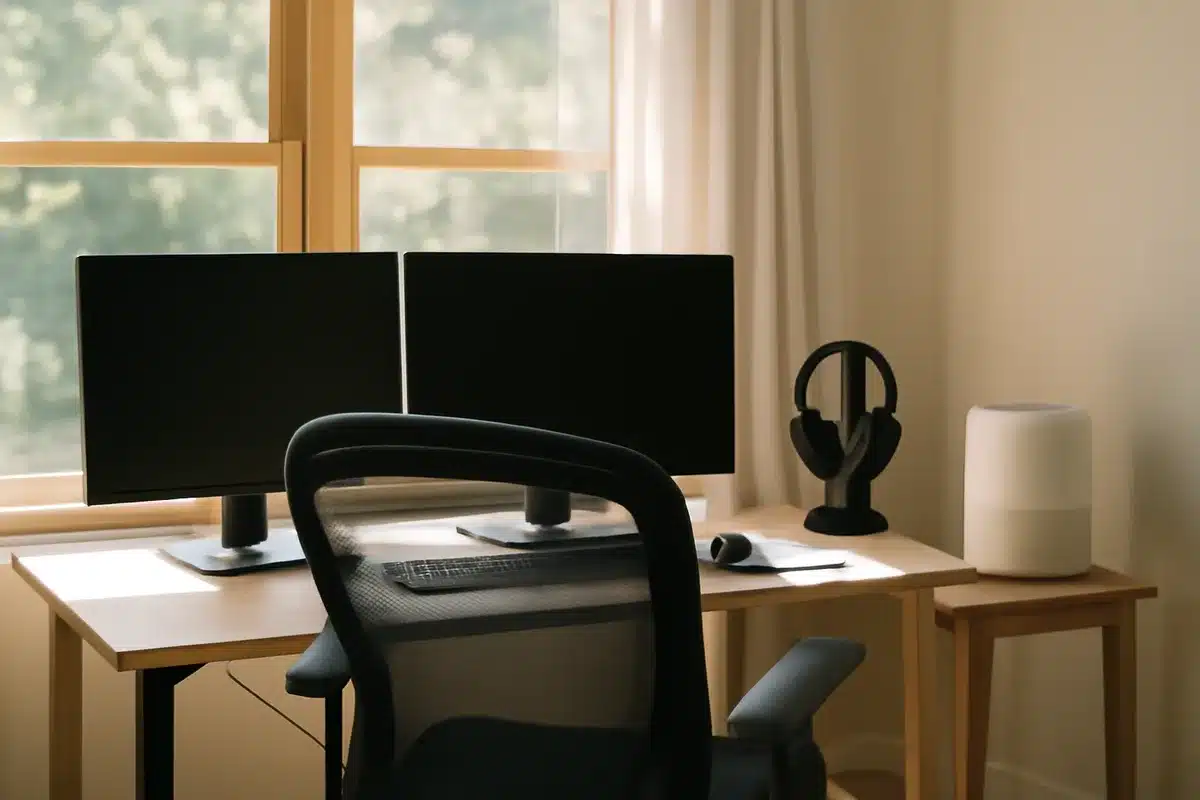
- Home desks transformed from occasional spaces to full-time workstations with better ergonomics and dedicated monitors.
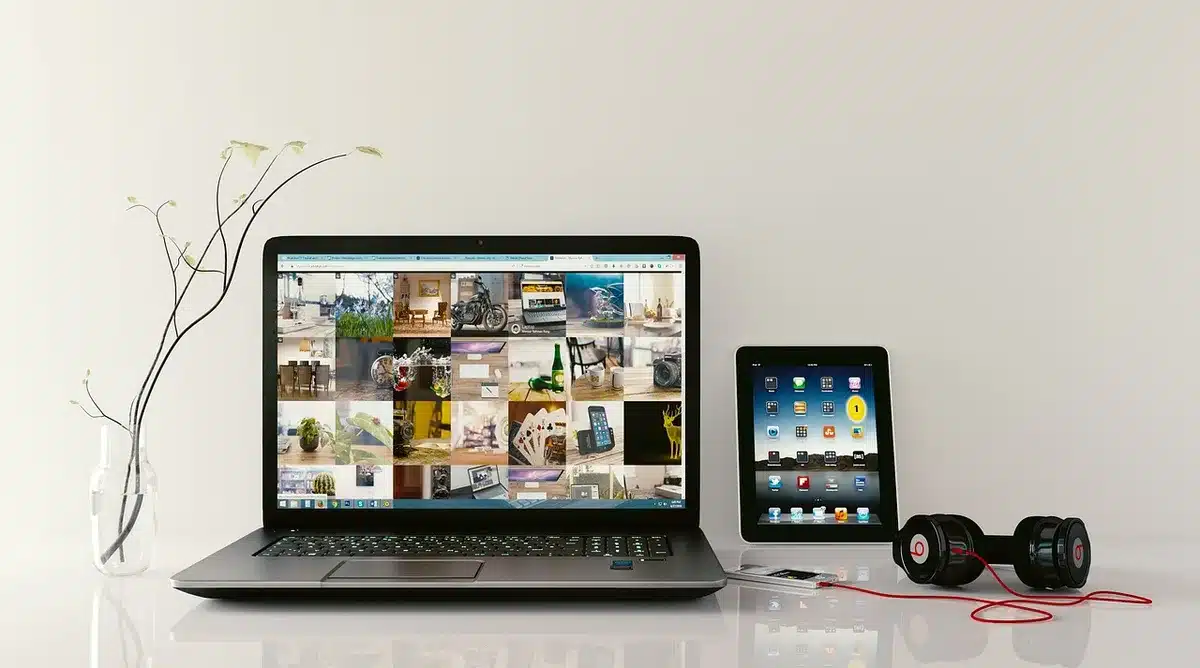
- Headsets and webcams went from optional to essential for professional meetings and remote learning.
- Instant background fixes like virtual backgrounds and smart lighting became standard for home video calls.
- Office attire loosened: business-on-top, casual-below became an accepted dress code for many.
- Shared calendars and scheduling tools rose in importance to coordinate hybrid teams and family routines.
- Household printers shifted from frequent use to occasional printing, while scanners and digital signatures grew common.
- Meeting etiquette changed: punctual muting, clearer agendas and video protocols became expected behavior.
Health and hygiene: Everyday items we now treat differently
Small items, big behavioral shifts
- Face masks became a routine accessory in many places, altering how people interact in close quarters.
- Hand sanitizer moved from handbags to countertops and car consoles as a daily staple.
- Surface cleaning products stayed in frequent use; disinfection routines became part of household habits.
- Personal thermometers found a new place in homes and workplaces for quick health checks.
- Medication cabinets expanded with vitamins and immune-support supplements as preventive care grew.
- Air quality devices like purifiers and better filters got attention in homes and offices.
Shopping, payments and services: Retail bent toward contactless and convenience
How commerce adapted to new expectations
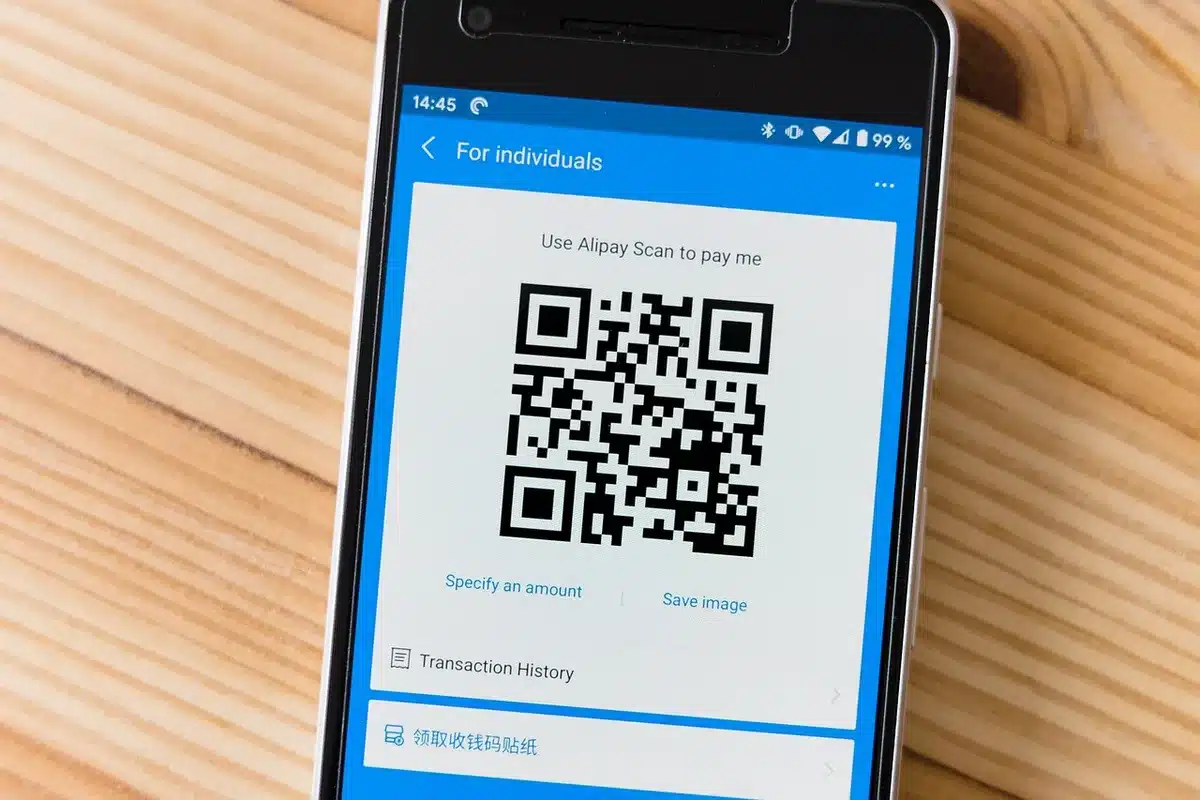
- Contactless payments accelerated, making tap-and-go cards and mobile wallets the norm.
- Curbside pickup moved from novelty to regular service for groceries and retail orders.
- Digital receipts grew common, reducing paper and tracking purchases online.
- Subscription boxes expanded into new categories as people preferred deliveries to trips out.
- Self-checkout lanes received upgrades and wider acceptance for faster, touch-reduced shopping.
- Small businesses adopted online ordering platforms and contactless tipping to stay competitive.
Food, dining and leisure: Where convenience met caution
Eating out and entertainment adapted
- Outdoor dining was redesigned into a permanent option at many restaurants.
- Delivery apps became essential to restaurant survival and reshaped menu design.
- Grab-and-go counters grew in supermarkets to serve faster, safer shopping habits.
- Entertainment streaming accelerated, influencing how people consume films and live events.
- Bookings and reservations became more digital and enforced, even for casual visits.
Travel, transport and public spaces: The visible and hidden changes
How movement and shared spaces were redesigned
- Air travel protocols added health checks and flexible cancellation policies as expectations shifted.
- Luggage habits changed; fewer checked bags, more streamlined carry-ons for short trips.
- Contactless boarding and mobile boarding passes reduced touchpoints at airports.
- Public transport saw new hygiene measures and peak-time management to ease crowding.
- Ticketing and access moved toward apps and QR codes across venues and transit systems.
- Community spaces like libraries and parks adapted layouts to balance comfort and safety.
Technology and communication: Small upgrades with big effects
- Note: This section lists trends that continue to evolve beyond 2020 and influence future norms.