Show summary Hide summary
- What the footage appears to show at the rally
- Why many observers called the reaction racially charged
- Responses from public figures and veterans groups
- Rally organizers and officials: statements and silence
- How the clip spread and shaped online conversations
- Context: political rallies, crowds, and symbols of service
- What witnesses said and what remains unclear
- Broader reactions and the political fallout
- What to watch next
A short video from a recent Trump rally has reignited debate over race and respect for the police. As a fallen officer was named during a tribute, a section of the audience loudly booed. The clip spread quickly online, prompting shock, condemnation, and heated discussion about motive and leadership at political gatherings.
What the footage appears to show at the rally
Nas slams music industry over disrespect: teases new music, vows to address it
1992 vocal performances: 3 jaw-dropping moments that still amaze
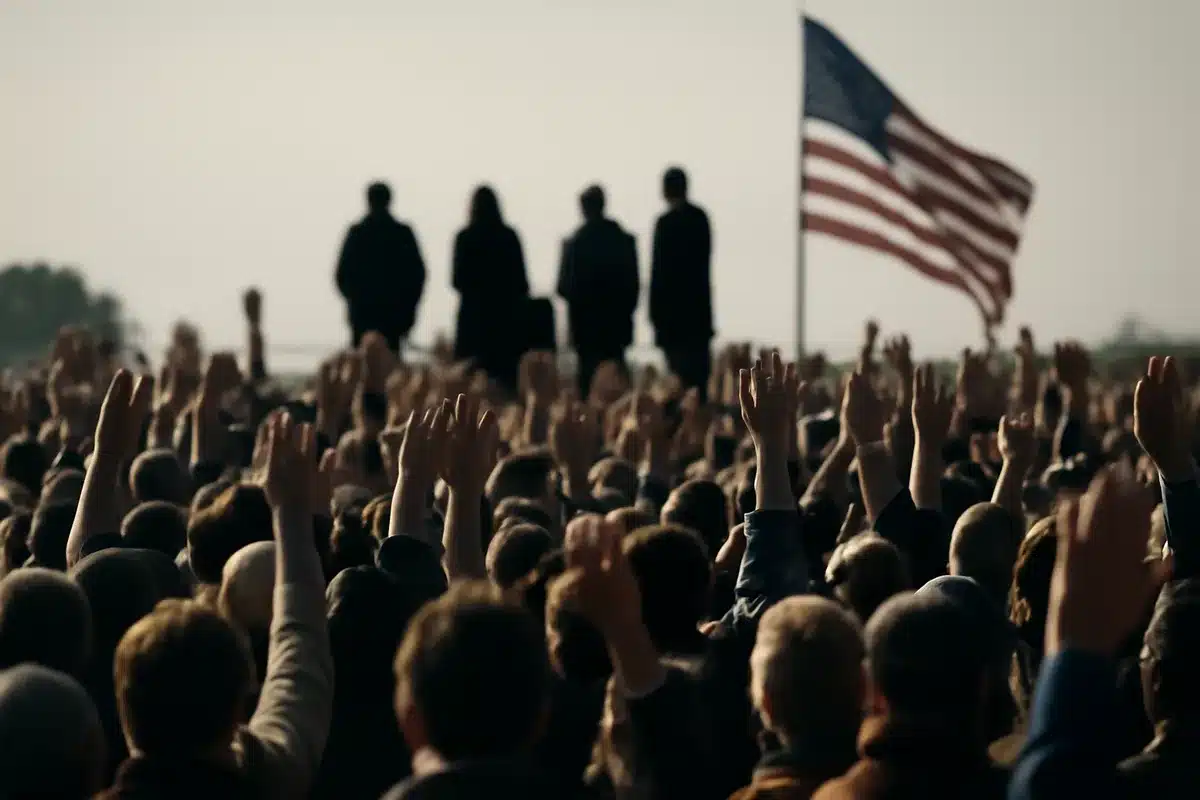
The clip, filmed by an attendee and shared on multiple platforms, captures a moment during a ceremonial acknowledgement of officers killed in the line of duty. As the announcer spoke the name of one fallen officer, a noticeable chorus of boos rose from the crowd. The reaction was immediate and sustained for several seconds.
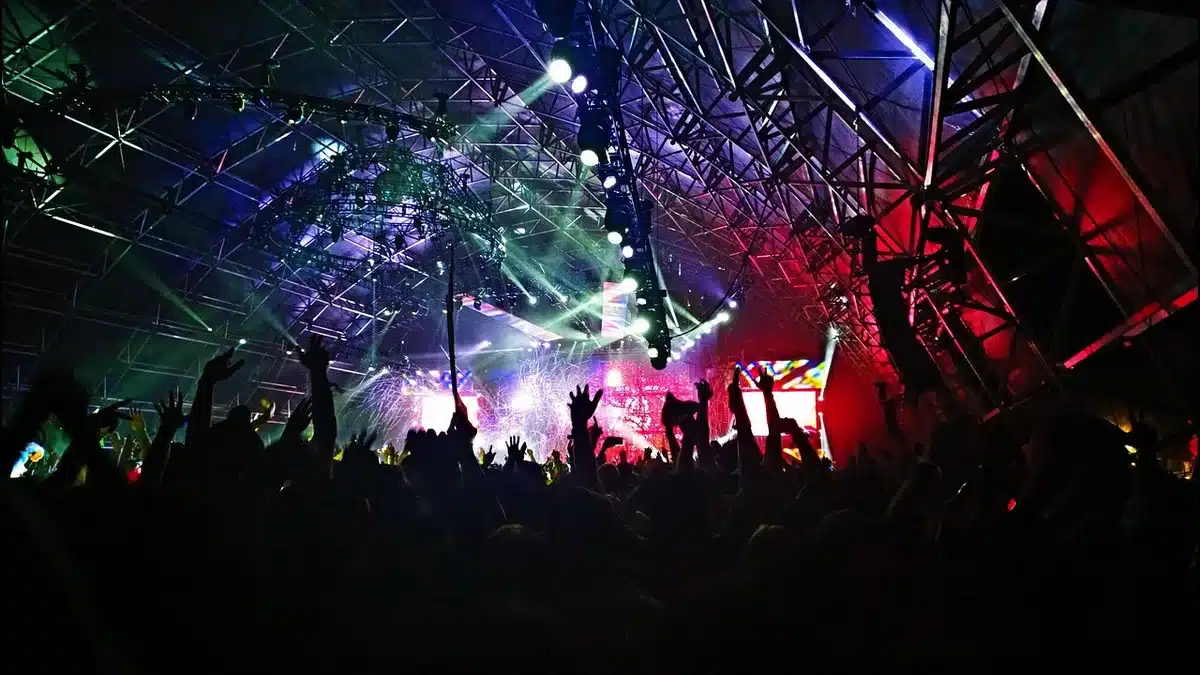
Observers on social media questioned why a tribute to a fallen officer would elicit such a response. Several commenters suggested the boos were tied to the officer’s name, rather than the officer’s service or sacrifice.
Why many observers called the reaction racially charged
Critics describe the response as virulently racist, arguing that the crowd’s reaction targeted the officer’s perceived ethnicity or religion. The phrase was used widely by opponents on social media and in commentaries on cable and digital news outlets.
- Many viewers noted that booing a deceased first responder crosses a widely accepted line of decency.
- Some said the response reflected broader tensions around immigration, identity, and partisan politics.
- Others urged caution, pointing out it is difficult to know crowd intent from a short clip alone.
Responses from public figures and veterans groups
Veterans organizations and law enforcement advocates issued statements condemning the reaction. They stressed respect for fallen personnel, regardless of background. Several commentators called on rally organizers and political leaders to address what happened.
What different groups said
- Veterans groups: Emphasized unity and respect for those who die in service.
- Law enforcement representatives: Expressed dismay and urged accountability.
- Political commentators: Debated whether the incident reflects leadership or a fringe element of the crowd.
Rally organizers and officials: statements and silence
As of publication, event organizers had not released a detailed explanation of the incident. Some local officials called for an investigation into the circumstances and the atmosphere at the rally.
Organizers typically monitor crowd behavior and security. Questions now focus on whether any action will be taken to address the boos and to prevent similar episodes at future events.
How the clip spread and shaped online conversations
Within hours the short video had thousands of shares. Influencers, journalists, and ordinary users amplified it with varied captions. That amplification framed the moment in different ways.

- Some posts emphasized the alleged racial motive behind the boos.
- Others insisted context was missing and urged viewers not to jump to conclusions.
- Fact-checkers and independents asked for more footage and eyewitness accounts.
Context: political rallies, crowds, and symbols of service
Political rallies often spotlight themes of patriotism and law enforcement. They also gather large, energized crowds where individual voices can drown out ceremony. That dynamic makes respectful tributes vulnerable to vocal disruptions.
Across the country, similar controversies have prompted organizers to refine protocols. Some events now set clearer guidelines for respectful behavior during memorials.
What witnesses said and what remains unclear
Eyewitness accounts varied. Some attendees described the booing as coordinated. Others said it seemed spontaneous and limited to a small portion of the crowd. Independent verification is challenging when incidents occur in loud, packed venues.
- Confirmed: A booing outbreak occurred during the naming of a fallen officer.
- Unclear: Whether the boos were directed at the officer’s name, background, or something else.
- Ongoing: Calls for release of fuller footage and statements from organizers.
Broader reactions and the political fallout
Political rivals seized on the episode to criticize the event and its tone. Supporters defended rally attendees and asked for fuller context. The moment became a prism through which commentators examined how political identity shapes public gestures.
Media coverage has highlighted the tension between national security and social inclusion. The incident also underscores how short clips can rapidly influence public opinion.
What to watch next
Follow-up items to monitor include:
- Any official statement from rally organizers or campaign representatives.
- Release of additional video that clarifies context.
- Responses from law enforcement families or local community leaders.