Show summary Hide summary
- Who led the show and what stories aired
- Production tweaks and visual retooling
- Reporting choices: puff pieces and access journalism
- Ethics and editorial independence under new leadership
- Interviews and on-air personalities: familiarity over novelty
- Segments that missed stronger scrutiny
- Audience reaction and what this means for regular viewers
- What to watch next on the show
The long-running newsmagazine returned to television Sunday night under fresh management, and its season opener landed with more of a thud than a splash. Viewers expecting a radical overhaul found instead a familiar program with modest cosmetic shifts and a handful of stories that felt safe, awkward or simply unremarkable.
Who led the show and what stories aired
The episode relied on established correspondents rather than exotic new faces. Lesley Stahl, Jon Wertheim and Norah O’Donnell anchored the main reports. A moment at the end featured New York Times columnist Ross Douthat in a brief closing slot.
Nas slams music industry over disrespect: teases new music, vows to address it
1992 vocal performances: 3 jaw-dropping moments that still amaze

- Norah O’Donnell: A White House-access story about a military rescue mission.
- Lesley Stahl: An investigation into pardon requests and the intermediaries who broker them.
- Jon Wertheim: A profile of Sean McVay and the Los Angeles Rams.
- Ross Douthat: A short commentary closing the episode.
Each segment stuck to a predictable rhythm: set the scene, interview officials, play polished footage. The Rams piece read as celebratory rather than scrutinizing. The rescue story leaned into official access. The pardons report touched on sleazy intermediaries but left some sourcing thin.
Production tweaks and visual retooling
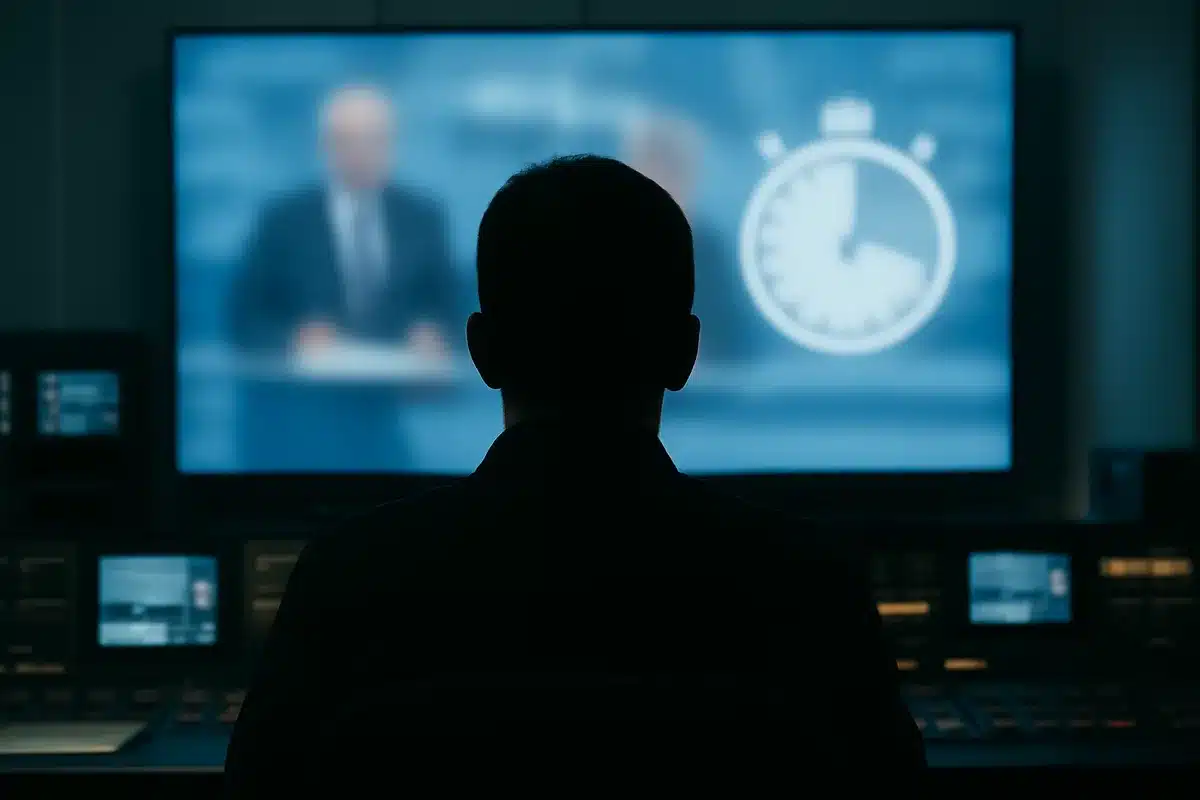
Viewers noticed small aesthetic updates. The show’s iconic stopwatch remained, but the color palette shifted to a lighter backdrop. Correspondent introductions were altered in subtle ways.
- Clock and backdrop: a whiter setting replaced deeper reds.
- Segment openings: slight changes in establishing shots and cutaways.
- Graphics and pacing: minor edits that felt incremental.
These adjustments felt cosmetic. They neither improved the storytelling nor undermined the show’s identity. Based on this premiere, the design changes look like low-stakes experiments rather than sweeping directives.
Reporting choices: puff pieces and access journalism
The episode mixed lightweight profiles with weightier investigations, as the program has long done. The Rams feature, however, stood out for its timing and tone. It celebrated a team viewed as a Super Bowl contender just after a public blowout loss.

That segment avoided recent controversies surrounding players and coaching decisions. It read like a feel-good sports profile that had lost currency overnight. Meanwhile, the White House-access story raised familiar questions about how much proximity to officials shapes the narrative.
- The sports profile prioritized personality and highlight clips.
- The rescue piece relied heavily on official access and embedded sources.
- The pardons investigation highlighted middlemen, but stopped short of deep sourcing in places.
Access journalism can produce scoops or soft reporting. Here, the balance tilted toward the latter. Moments that might have pushed back against official lines were reduced to routine follow-up questions.
Ethics and editorial independence under new leadership
Tension has surrounded the program since the appointment of CBS News’ new editor-in-chief. Critics on both sides predicted either a purge of critical voices or a conservative retrenchment. The premiere did little to confirm either outcome.
One segment featured prominent administration figures on camera. Their presence made the story feel safer and slightly promotional in places, though not overtly propagandistic. The reporting did not aggressively challenge the official account, nor did it blindside viewers with a novel partisan slant.
Journalistic standards were mostly intact, but a few moments hinted at sloppy sourcing. A single unsourced line about the White House’s alleged sensitivity to perceptions around pardons stood out. It lacked attribution and invited criticism from media watchdogs.
Interviews and on-air personalities: familiarity over novelty
The premiere relied on long-serving voices. That choice colored the episode’s temperament.
- Lesley Stahl remains a steady presence, asking pointed questions and steering the narrative.
- Jon Wertheim offered a softer, profile-driven approach more common to sports storytelling.
- Norah O’Donnell navigated an access-heavy military story with measured pacing.
New hires were mostly kept in the background. Ross Douthat’s short appearance closed the show, but his delivery lacked dynamism. For viewers curious about a fresh editorial tone, the installment delivered a tempered transition rather than a rupture.
Segments that missed stronger scrutiny
Certain stories might have benefited from deeper skepticism or fuller context.
- The Rams profile glossed over recent tactical missteps and personnel controversies.
- The rescue mission piece depended on administration-sanctioned access, limiting adversarial questioning.
- The pardons story raised troubling patterns but occasionally relied on characterization without robust corroboration.
These gaps made the episode feel modestly undercooked. The program performed competently but rarely probed as hard as viewers expecting rigorous accountability might want.
Audience reaction and what this means for regular viewers
Longtime watchers who tune in selectively will find plenty to skip or watch depending on interest. The absence of certain former anchor voices may nudge some viewers away.
- Casual viewers will likely notice little change in their viewing habits.
- Critics looking for major editorial shifts will be disappointed.
- Those seeking deeper investigative rigor may find the hour too cautious.
For now, the show feels familiar: recognizable rhythms, accustomed hosts, and cautious storytelling. Whether the program evolves markedly under its new leadership remains an open question.
What to watch next on the show
Future episodes will reveal whether this premiere was a template or an outlier. Look for:
- More visible roles for recent hires or a steady continuation of legacy correspondents.
- Deeper investigative reporting that tests editorial autonomy.
- Additional design tweaks as producers refine the visual package.
The season opener was an exercise in continuity with small experiments. It did not answer the larger debate about the program’s direction under new editorial leadership and left many critics and supporters waiting to see if the network will push harder or play it safe