Show summary Hide summary
The bright, chiming sound of jangly guitars has threaded through rock history for decades. If you want to hear where jangle pop began and how it evolved, start with three records that map the style from its 1960s roots to its 1980s reinvention. Each album below offers a listening roadmap: signature riffs, production choices, and songs that influenced generations of guitar bands.
The Byrds’ Mr. Tambourine Man: The 12‑string spark that lit jangle pop
Why this record matters for jangle lovers
Wicker 4DX extended run: basketheads get extra screenings
British rap legend declares he’s not retiring: teases bold new era in music
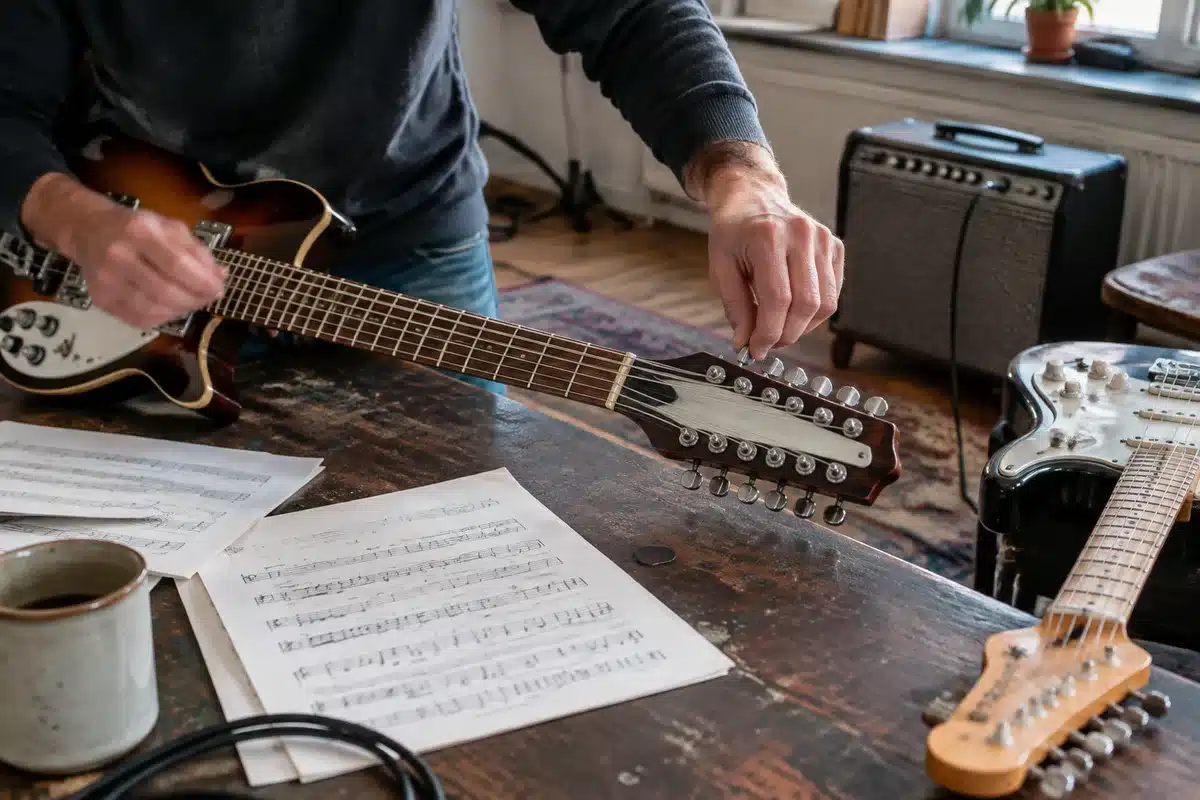
The Byrds captured a new guitar tone on this 1965 album. Roger McGuinn’s Rickenbacker 12‑string created a chiming, open sound. That tone became the template for jangle pop.
What to listen for
- Bright, ringing 12‑string guitar that blends folk songwriting with rock attack.
- Interlocking vocal harmonies that soften the edges of rock and highlight melody.
- Production that keeps the guitars upfront and crisp.

Essential tracks to start with
- “Mr. Tambourine Man” — folk melody, electric shimmer.
- “I’ll Feel a Whole Lot Better” — jangly guitar hooks and tight harmonies.
- “All I Really Want to Do” — direct example of the Byrds’ chiming approach.
Big Star’s #1 Record: Power‑pop heart, jangly sensibility
How Big Star connects to jangle pop
Big Star merged melody-driven songwriting with chiming guitar lines. Their 1972 debut brought a sharper, more intimate take on the jangle sound.
Key musical traits
- Clean, chiming electric guitars mixed with concise pop songwriting.
- Emotional, literate lyrics that elevated simple hooks.
- Arrangements that balance brightness with vulnerability.
Tracks that illustrate the link
- “Thirteen” — acoustic sweetness, ringing guitar accents.
- “The Ballad of El Goodo” — melodic drive and sonic clarity.
- “Don’t Lie to Me” — showcases the band’s knack for jangly pop hooks.
R.E.M.’s Murmur: The 80s revival that redefined jangly guitar rock
Why Murmur is essential for modern jangle fans
R.E.M. took the Byrds’ chiming guitars and Big Star’s melodic focus into a new era. Their 1983 debut combined murky production with bright guitar textures.
Production and style notes
- Shrouded vocals and arpeggiated guitars create atmosphere and mystery.
- Economical arrangements that let guitar jangle breathe.
- A college‑radio aesthetic that sparked a nationwide revival.

Tracks to study
- “Radio Free Europe” — jangly pick patterns and urgent rhythm.
- “Pilgrimage” — guitar interplay and melodic tension.
- “Perfect Circle” — shows how texture can be as important as lead lines.
Simple listening tips to spot jangle pop traits
- Focus on guitar tone: look for bright, chiming six or 12‑string sounds.
- Notice the mix: guitars often sit high and clean in the production.
- Listen for melody-first songwriting with short, memorable hooks.
- Pay attention to vocal approach: harmonies or breathy delivery often accompany jangle guitars.
- Compare eras: hear how the 60s clarity differs from the 80s’ textured revival.
Albums that branched from these roots
- The Smiths — jangly indie pop with sharp lyrics.
- Aztec Camera and The Chills — regional scenes that adopted the jangle palette.
- Later indie bands — who mixed lo‑fi textures with chiming guitars.