Show summary Hide summary
Choosing a new fitness tracker can feel like sifting through a pile of almost-right options. Google’s Fitbit Edge arrives as a middle ground between the barely-there Fitbit Air and the full-featured Pixel Watch 5. It packs useful sensors and solid battery life without the heft or price of a full smartwatch.
Key features that set the Fitbit Edge apart
The Edge adds practical upgrades while keeping things simple. It’s not trying to be a Pixel Watch. Instead, it fills gaps left by the Air.
80s British indie bands that changed American alternative rock forever
Pearl Jam drummer quits after 27 years: band says where things stand

- Onboard GPS for outdoor runs and walks without your phone.
- Altimeter to track climbs and stairs.
- Google Health Coach that builds short, actionable plans based on your data.
- Nutrition logging with barcode scanning and photo-entry options.
- A compact screen that gives glanceable data without a large smartwatch face.
How the daily experience feels
Wearing the Edge is about balance. It looks neat and doesn’t dominate the wrist. The included silicone Active Band fits most people well. Bands are easy to swap, so you can change the look.
Bands and personalization
- Active Band: comfortable and secure for workouts.
- Magnet Band: stylish but can take fiddling to fit.
- Metal Links Band: premium appearance, steep price.
- Performance Loop (popular on other Fitbits): likely the best all-day pick.
Band choice matters. Some options cost nearly as much as the device. That affects overall value.
Battery life, charging, and longevity
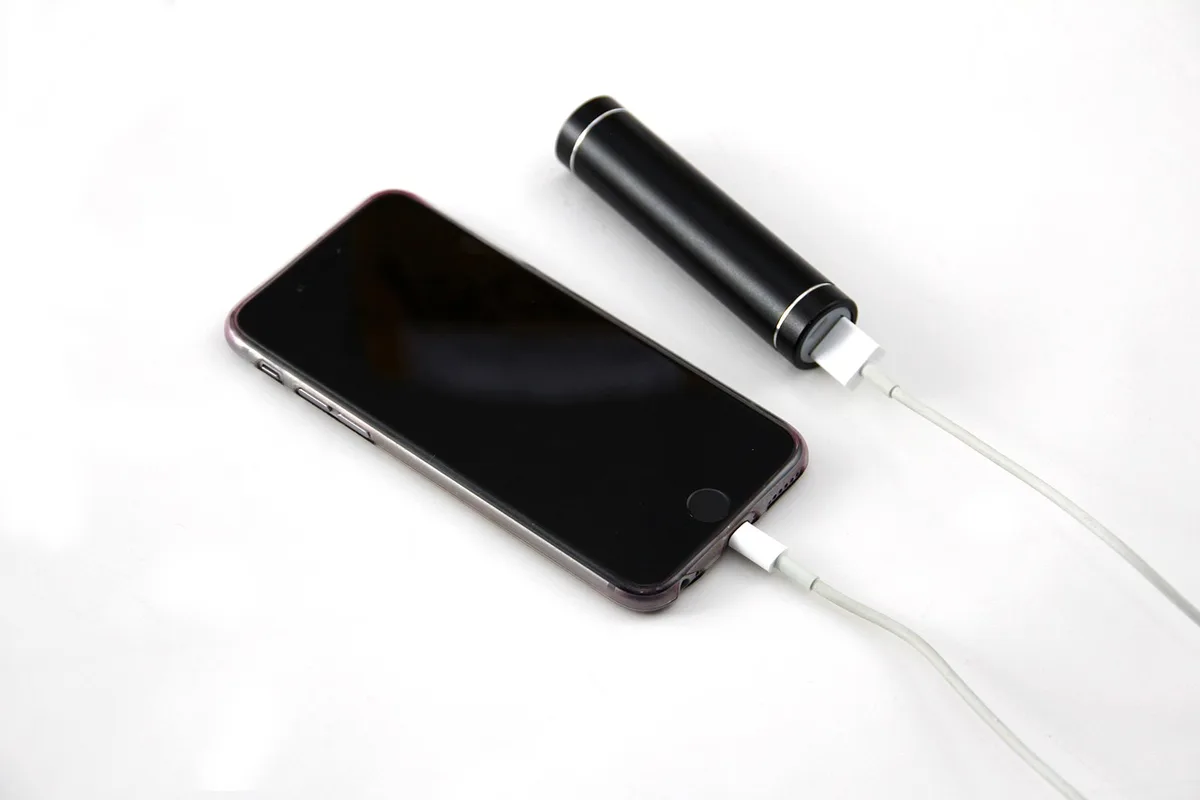
Battery performance is one of the Edge’s strongest points. Expect close to a week between charges under normal use. A short top-up delivers surprising runtime.
- About seven days on a single charge in real-world use.
- Full recharge in roughly 90 minutes.
- Five minutes of charging can add about one day of battery life.
- First for the brand: a user-replaceable battery for extended device life.
Software, coaching, and tracking capabilities
Fitbit’s software leans into helpful nudges rather than noise. The coach tailors short plans based on sleep, heart rate, and activity. Nutrition entry is flexible and simple.
- Daily activity guides that adjust to your metrics.
- Sleep tracking with actionable insights.
- Food logging through barcode scans or photos.
The coaching feature is subtle and useful for people who want guided progress without constant alerts.
Comparing the Edge to the Fitbit Air and Pixel Watch 5
The Edge sits squarely between a minimalist tracker and a full smartwatch. Each device serves different priorities.
- Fitbit Air: nearly invisible on the wrist and the most comfortable option.
- Fitbit Edge: adds GPS and an altimeter while keeping a slim profile.
- Pixel Watch 5: broader smartwatch features, such as contactless payments via Google Wallet.
If you value barely-there comfort, the Air may win. If you want a quick glanceable display and stair tracking, the Edge is closer to the mark. For full smartwatch convenience, the Pixel Watch 5 remains the pick.
Who should consider the Fitbit Edge
The Edge is aimed at buyers who want strong fitness tools without moving into pricey smartwatch territory. It blends practical tracking, week-long battery life, and a modest price point.
- Ideal for runners and walkers who want phone-free GPS.
- Good for users who want accurate sleep and activity insights.
- Suited to buyers who prefer a physical watch face over a faceless tracker.
- Not for shoppers who need full smartwatch features like mobile payments.
Pros and trade-offs to weigh
- Pros: long battery life, replaceable battery, GPS, focused health coaching.
- Trade-offs: smaller screen than many smartwatches, fewer smartwatch services, some band extras are costly.