
Show summary Hide summary
- How the shoreline devoured a festival site
- Immediate fallout for organizers and ticket holders
- Community reactions and economic impact
- Legal, logistical, and insurance questions organizers face
- Why the coast is changing: science in plain language
- Mitigation steps and smarter event planning
- Wider implications: events and climate resilience
- Steps communities can take to protect shoreline venues
The first time festival-goers set up camp on that sandbar, organizers called it a dream site: open sky, crashing surf, and an audience within earshot of the waves. Now the main stage and parking area are gone, eaten by tides and cliff collapse. What began as a promising new music gathering has been erased by coastal erosion, leaving local businesses, fans, and planners scrambling for answers.
How the shoreline devoured a festival site
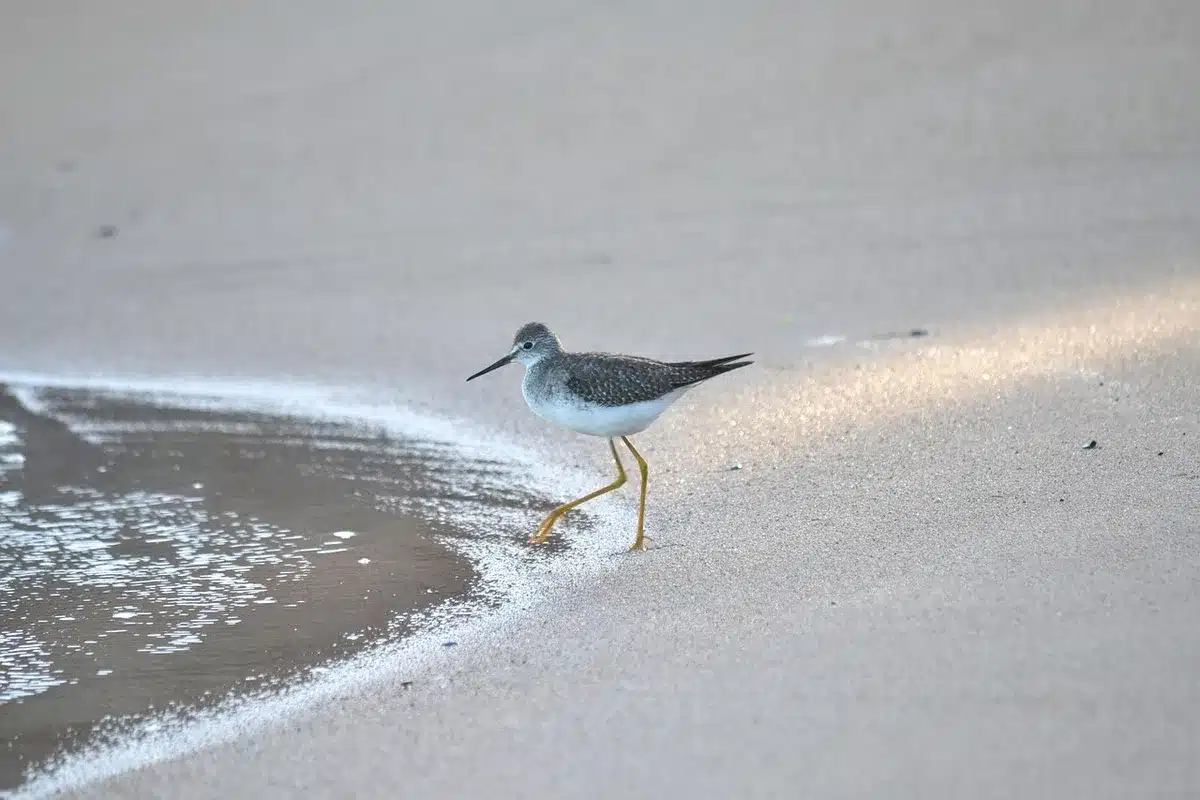
In a matter of months, storms and steady shoreline retreat reduced a wide beach to a narrow strip. Heavy rains weakened dunes and storms pulled sand into deeper water. The platform, temporary fences, and access roads no longer exist.
Smashing Pumpkins reunite with legendary 90s producer Butch Vig on new Hunger Games track
U.K. terror plot: what we know and why the Gulf remains in limbo

- Sand dunes that once buffered the festival were undercut.
- Vegetation that held soil in place was damaged during previous events.
- High tides and storm surges accelerated the loss.
The result: a festival location that cannot safely host crowds. Local officials issued closure orders after inspecting the site for structural hazards and public safety risks.
Immediate fallout for organizers and ticket holders
Organizers were blindsided mid-planning season. With permits in hand and artists booked, they had to announce cancellation and refunds. Ticket holders faced travel disruptions and accommodation losses.
- Artists and vendors lost scheduled performances and income.
- Local hotels and restaurants expected a revenue shortfall.
- Insurance claims became complicated by natural hazard clauses.
Promoters are now reviewing contracts. Several are exploring relocation options. Yet finding a similarly scenic and permitted coastal site is not easy.
Community reactions and economic impact
Residents who supported the festival for jobs and exposure feel the blow. Many small businesses had invested in inventory and staffing in anticipation of the crowds.
- Short-term revenue losses were significant for eateries.
- Some seasonal workers lost weeks of expected income.
- Vendors holding perishable stock faced waste and costs.
Local leaders worry about long-term tourism branding. A canceled event also reduces media attention and future bookings for the area.
Legal, logistical, and insurance questions organizers face
Cancellations over natural processes raise thorny legal issues. Who bears responsibility when the land itself shifts?
- Insurance payouts depend on policy language about “acts of nature.”
- Permitting agencies may impose stricter site assessments.
- Contracts with artists often include force majeure clauses to cover cancellations.
Several organizers are consulting attorneys to see if municipal planning failures or misleading site assessments could be grounds for claims.
Why the coast is changing: science in plain language
Coastal erosion is a natural process. Waves, tides, and currents move sand along shores. But human activity and climate trends can speed the process.
Key drivers of increased erosion
- Rising sea levels lift water higher against the shore.
- More frequent and intense storms push waves farther inland.
- Removal of natural barriers like dunes and marshes reduces protection.
Construction too close to the high-tide line and hard coastal defenses can also alter sediment flow. That can starve neighboring beaches of the sand they need to stay stable.
Mitigation steps and smarter event planning
Event planners and communities can take steps to reduce future risk. Some measures are quick. Others require investment and time.
- Conduct thorough geotechnical and shoreline stability studies before signing permits.
- Avoid staging heavy equipment on dunes or fragile vegetation.
- Coordinate with coastal managers on temporary sand fencing and revegetation.
- Consider inland or elevated venues as backup options.
Advance contingency plans lower both safety risks and financial exposure. Clear cancellation policies and insurance tailored to coastal hazards are now essential.
Wider implications: events and climate resilience
This festival’s disappearance is a warning. As coastlines shift, more outdoor events will face unpredictable risks. Organizers nationwide are taking note.
Festival culture relies on access to remarkable sites. But those sites are changing fast. Planners must balance the desire for unique locations with the need for safety and sustainability.
Steps communities can take to protect shoreline venues
- Invest in natural buffers: plant dunes and restore wetlands.
- Limit permanent infrastructure near dynamic shorelines.
- Update land-use maps to reflect current erosion data.
- Educate businesses and event hosts about long-term coastal trends.
Proactive coastal management can preserve both habitats and local economies, but it requires coordination between planners, scientists, and the private sector.










