

Show summary Hide summary
- What the board approved and the timeline they propose
- New naming language reignites legal fight
- Scope of work and who would run it
- Artists, presenters and programming already disrupted
- Financial ripple effects and staffing losses
- Voices of concern and political pushback
- Questions remain about transparency and procurement
- How the shutdown could reshape future seasons
The Kennedy Center’s board has again voted to close most of the institution for a large-scale renovation, a decision that could reshape programming, finances and public trust at the nation’s premier performing-arts center. The proposal — wrapped in controversy over a renewed effort to affix former President Trump's name to the building — has drawn sharp criticism from lawmakers, artists and nervous staff.
What the board approved and the timeline they propose
The board voted for a second time to shutter the main building to carry out extensive work. The plan lists an estimated cost of $250 million. If a federal judge signs off, the shutdown would affect audiences and artists for years.
Nas slams music industry over disrespect: teases new music, vows to address it
1992 vocal performances: 3 jaw-dropping moments that still amaze
- Board motion: close most of the main complex and relocate programming where possible.
- Target reopening cited in the proposal: summer 2028.
- The REACH, the 2019 campus addition, would remain open for limited events and serve as a memorial to John F. Kennedy.
New naming language reignites legal fight
After a judge ordered removal of earlier Trump branding, the board is now proposing different wording. Rather than renaming the building, the signage would say it was “restored and renovated by President Donald J. Trump.” That phrasing is part of the same package the board approved.
News organizations first reported the plan, and NPR asked the Kennedy Center for the proposal but received no response. One person briefed on the meeting confirmed the vote to NPR on condition of anonymity.
Scope of work and who would run it
The renovation proposal lists structural repairs and aesthetic upgrades. It also highlights nearly $12 million for acoustical changes.
- Planned improvements include new marble floors and updated acoustics.
- The famed eight-foot bronze bust of John F. Kennedy would be moved temporarily.
- Construction management named in documents: JLL.
Sources say it is unclear whether JLL or other bidders have experience with venues that rely on unamplified performance. The board’s membership includes few arts specialists; the only artist listed is country singer Lee Greenwood, a close Trump ally.
Artists, presenters and programming already disrupted
When the board briefly added Trump’s name last year, high-profile acts withdrew. Several marquee performers canceled bookings, citing concern that the center had become politicized.
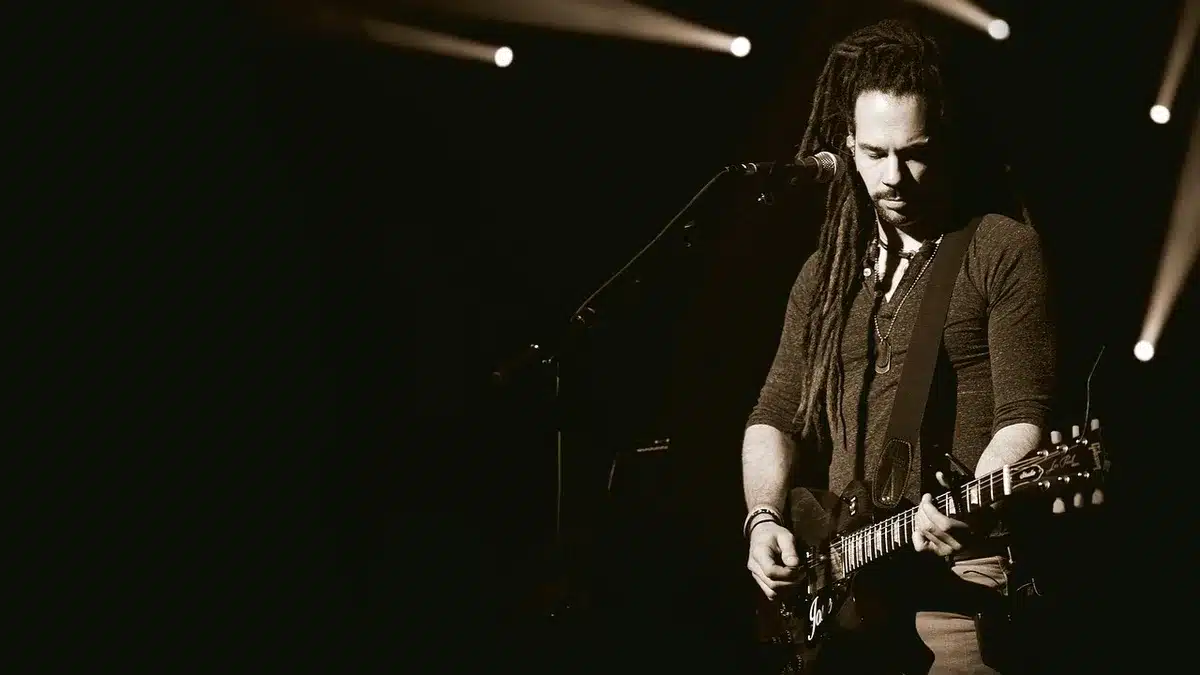
- Notable cancellations included composer Philip Glass and the Martha Graham Dance Company.
- Daily free performances on the Millennium Stage have been drastically curtailed.
Ticket sales have fallen. Social media and audience surveys show many patrons avoid events tied to the naming dispute. One resident company, the Washington National Opera, has left the center entirely.
Financial ripple effects and staffing losses
People familiar with internal finances say the National Symphony Orchestra now faces deep budgetary strain. Several current and former staffers report layoffs and departures across artistic and development teams.
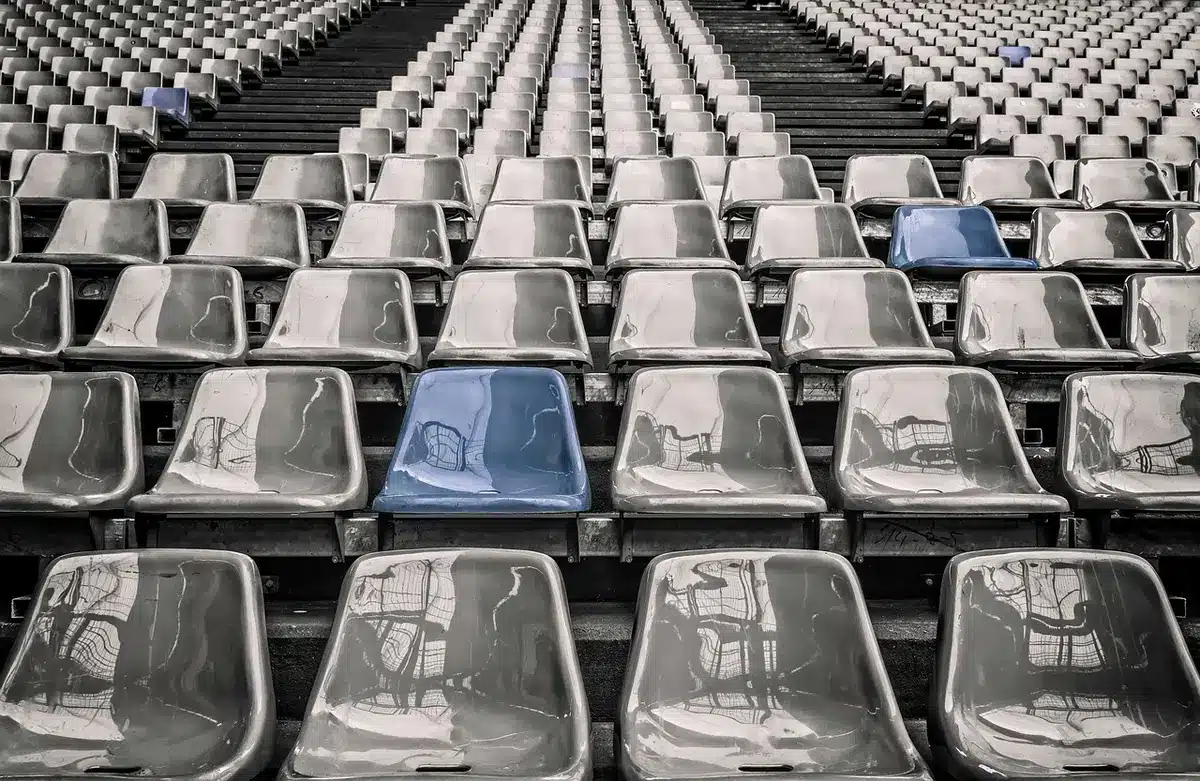
- Lost ticket revenue and donations have compounded the center’s problems.
- Institutional leaders warn that long closures make it hard to bring audiences back.
- Touring artists and orchestras often plan years ahead, so long delays could limit future bookings.
Voices of concern and political pushback
Some elected officials on the center’s ex officio board criticized the meeting and vote. Senator Sheldon Whitehouse described the session as a perfunctory endorsement of decisions made by the administration-appointed majority, and he suggested proper oversight was lacking.
Arts administrators and others in the field, speaking off the record, tell NPR that once a major venue shutters, recovery can be slow. They worry the combination of reputation damage and a prolonged shutdown could undermine the Kennedy Center’s role as a cultural hub.
Questions remain about transparency and procurement
Observers and journalists note multiple gaps in public information. It is not clear how the construction firm was chosen, how many companies bid, or whether the board evaluated firms with expertise in classical music and dance acoustics.
- NPR sought comment from the Kennedy Center and JLL; neither has replied publicly about the latest plan.
- Legal challenges and the previous judge’s order to remove Trump branding add uncertainty about whether the new plan will survive court review.
How the shutdown could reshape future seasons
Industry insiders warn that long-term scheduling conflicts are a real risk. Top-tier soloists, orchestras and dance troupes often book seasons years in advance. Delays in construction can push availability into 2029 or beyond.
That gap could force programmers to find new venues or cancel engagements entirely, making it harder for the Kennedy Center to restore its former roster of artists when it reopens.










