
Show summary Hide summary
- Why the one-bowl beef-and-rice trend spread fast among fitness circles
- Nutrition experts warn about missing fiber and vegetables
- How enthusiasts season and vary their bowls
- Quick swaps to raise fiber and micronutrients without losing speed
- Voices from the trend: personal trainers and everyday users
- How the trend compares with “girl dinner” and older food traditions
- Social and cultural undercurrents behind minimalist meals
- Practical meal-prep tips to keep the ease and add nutrition
A new food shorthand has arrived on social feeds: “boy kibble.” At a glance it looks like a meal prep bowl for gym-goers — plain ground meat heaped over white rice. Fans praise its simplicity. Critics point to what it leaves out.
Why the one-bowl beef-and-rice trend spread fast among fitness circles
Boy kibble answers a common problem: how to eat enough protein with minimal time or fuss. The formula is basic. Cook a large batch of ground meat and starch. Portion it into containers. Reheat across the week.
Nas slams music industry over disrespect: teases new music, vows to address it
1992 vocal performances: 3 jaw-dropping moments that still amaze
For people focused on bulking, the appeal is obvious. The meal stacks protein and carbs in predictable ratios. It also fits meal prep habits and tight schedules.
Convenience and consistency are the core selling points. The same dish can fuel workouts, match calorie goals and stay cheap to make.
Nutrition experts warn about missing fiber and vegetables
Clinicians say the habit often cuts out plant foods. A bowl that is half rice and half meat leaves little room for greens or legumes.
One internal medicine physician suggests a simple visual rule: a balanced plate should include lots of vegetables. When that is ignored, meals lose essential fiber and micronutrients.
Fiber matters for digestion, the microbiome and regular bowel movements. Without it, even a high-protein plan can create problems.
How enthusiasts season and vary their bowls
People who stick with boy kibble tend to personalize sauces and aromatics. Small changes transform the monotony.
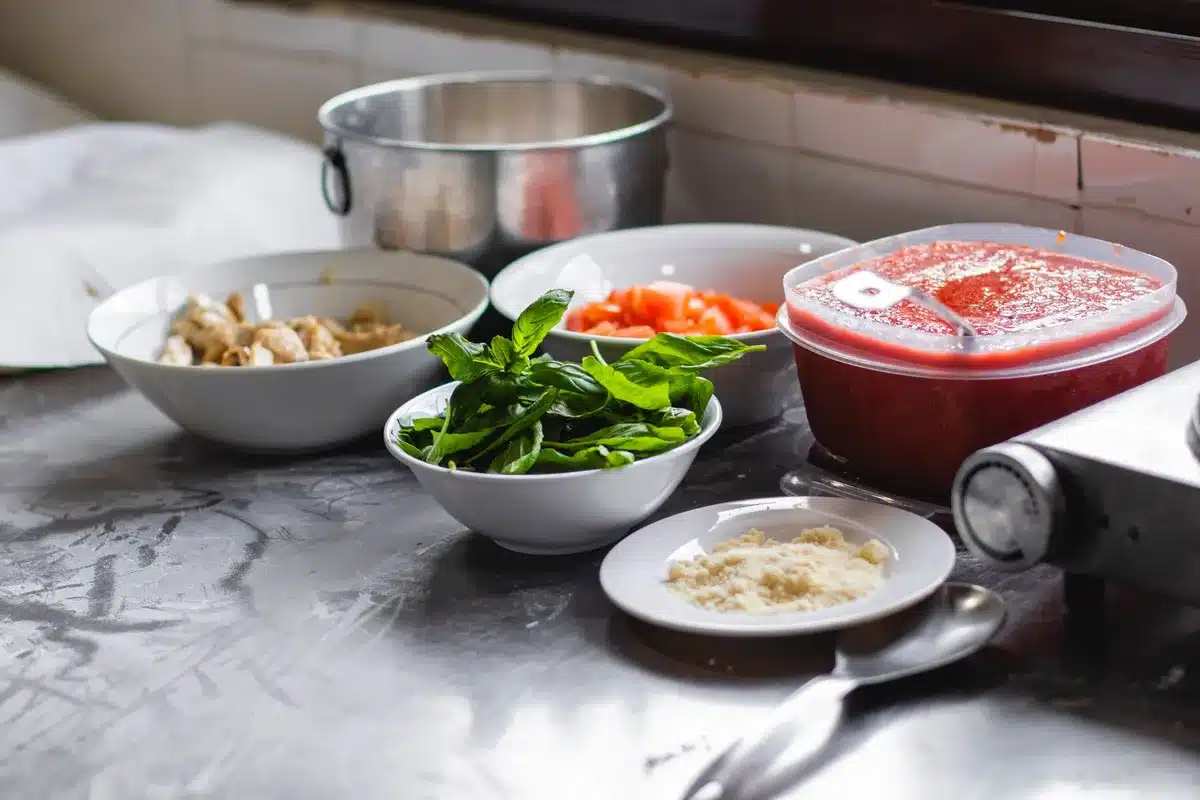
- Common protein bases: lean ground beef, turkey or shredded chicken.
- Typical starches: white rice, pasta or quinoa for a gluten-free option.
- Flavor boosters: hot honey, barbecue sauce, hot sauce, or a squirt of ketchup.
- Simple vegetables added: diced onion, bell pepper, or frozen mixed veg.
One online coach describes batch-cooking a few trays on Sunday, then switching sauces during the week. That keeps prep short and meals interesting.
Quick swaps to raise fiber and micronutrients without losing speed
Trainers and diet coaches recommend easy adjustments to preserve convenience. These moves raise nutrition without adding much cook time.
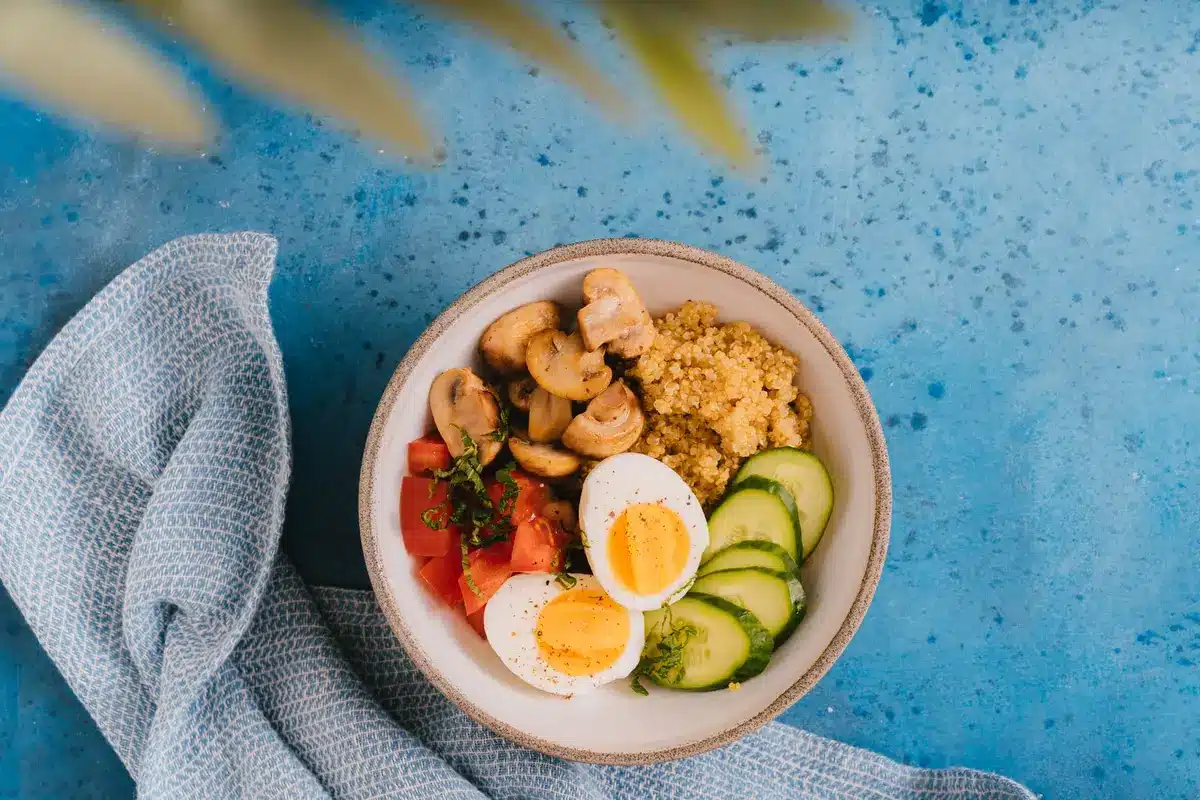
- Swap white rice for potatoes — more fiber per serving and lower calorie density.
- Use quinoa, brown rice or farro instead of refined grains.
- Stir in frozen vegetables while reheating one portion.
- Keep precooked roots like beets or roasted veg on hand for quick additions.
- Add canned beans or lentils to boost fiber and plant protein.
Portion control also helps. Rice can be easy to overconsume if not measured. Tracking servings keeps calorie targets accurate.
Voices from the trend: personal trainers and everyday users
Why some prefer the minimalist route
For many, the goal is predictable energy and recovery. A government contractor who trains clients says this routine keeps meals light and functional.
He pairs lean beef and rice with onions and peppers. A drizzle of hot honey adds flavor without overeating.
Another trainer swaps in chicken and broccoli for variety. The pattern is the same: simple, repeatable, and easy to reheat at work.
How the trend compares with “girl dinner” and older food traditions
Boy kibble arrived as a counterpoint to the viral “girl dinner” idea. Both trends prize low-effort meals that meet daily needs. But they come from different mindsets.
A food studies lecturer explains that girl dinner celebrates convenience and snacking-style plates. Boy kibble leans toward purposeful cooking for nutrition.
Historically, humans have long eaten monotonous, practical dishes. Stews, porridge and one-pot meals offered calories and comfort. The current trends are new labels on old behaviors.
Social and cultural undercurrents behind minimalist meals
There is a gendered element to how these meals are framed. One scholar notes that avoiding the labor of cooking is part of girl dinner’s appeal.
By contrast, boy kibble treats cooking as utilitarian. The objective is optimization: cook once, reheat often, hit macronutrient targets.
Monotony can be a feature, not a flaw, for people balancing work, budgets and fitness goals. Reliability may outweigh variety for many consumers.
Practical meal-prep tips to keep the ease and add nutrition
- Batch-cook proteins and grains on a weekend session.
- Buy frozen vegetables to toss into single portions.
- Prep a jar of mixed sauces for weekday variety.
- Rotate starches weekly to increase fiber and vitamins.
- Measure portions with a scale or a scoop to control calories.
These small steps keep the convenience intact while improving the meal’s nutrient profile.










