

Show summary Hide summary
- Comfort and minimalist design: why the Fitbit Air disappears on your wrist
- Battery performance: true week-long life and rapid top-ups
- Google Health Premium and the AI Coach: personalized plans that stick
- Sleep, nutrition, and hydration: mostly excellent tracking
- When the tracker misses: cycling and stairs tracking problems
- AI oddities and workout guidance inconsistencies
- Durability, style options, and band choices
- Who should consider a screen-less fitness band?
- Price, subscription trade-offs, and overall cost
After more than three months wearing the Fitbit Air nearly nonstop, I can say it quietly changed how I track sleep and workouts. The tracker hides a lot beneath a pared-down, screen-less design. Some features surprised me. Others left me wanting. Below I break down comfort, battery life, AI coaching, and the real-world limits of this affordable, faceless tracker.
Comfort and minimalist design: why the Fitbit Air disappears on your wrist
The Fitbit Air feels unusually light. At about 12 grams, it’s barely there during the day or overnight.
Nas slams music industry over disrespect: teases new music, vows to address it
1992 vocal performances: 3 jaw-dropping moments that still amaze
- Low weight matters: it’s roughly half the heft of some rival faceless bands.
- Its recycled polyester-elastane band stayed clean and intact after months of daily wear.
- Water resistance to 50 meters means it survives swims, though Google suggests avoiding soap contact.
People asked if it was a bracelet rather than a tracker. That understated look will appeal if you want a sleek wrist band, not a mini smartwatch.
Battery performance: true week-long life and rapid top-ups
Google advertises up to seven days per charge, and in my testing that claim held up.
- I routinely saw more than eight days before charging.
- A full recharge took about 65–67 minutes.
- Ten minutes on the charger gave me nearly half a battery, enough for several days more.
Practical payoff: quick charging plus multi-day endurance means you rarely miss a night of sleep tracking.
Google Health Premium and the AI Coach: personalized plans that stick
I used the Fitbit Air with Google Health Premium’s free trial, then explored the paid tier.
- Premium features are built on Gemini-powered Coach guidance.
- Coach generated weekly plans based on my goals and equipment.
- Customization takes minutes and populates the app’s fitness tab immediately.
The AI nudged me into consistent workouts. When I told Coach I wanted strength gains and lower resting heart rate, it scheduled five sessions per week and integrated my rowing machine.
The result: I worked out more often than I usually would without the app prodding.
Sleep, nutrition, and hydration: mostly excellent tracking
The Air is a standout sleep tracker because you barely notice wearing it at night.
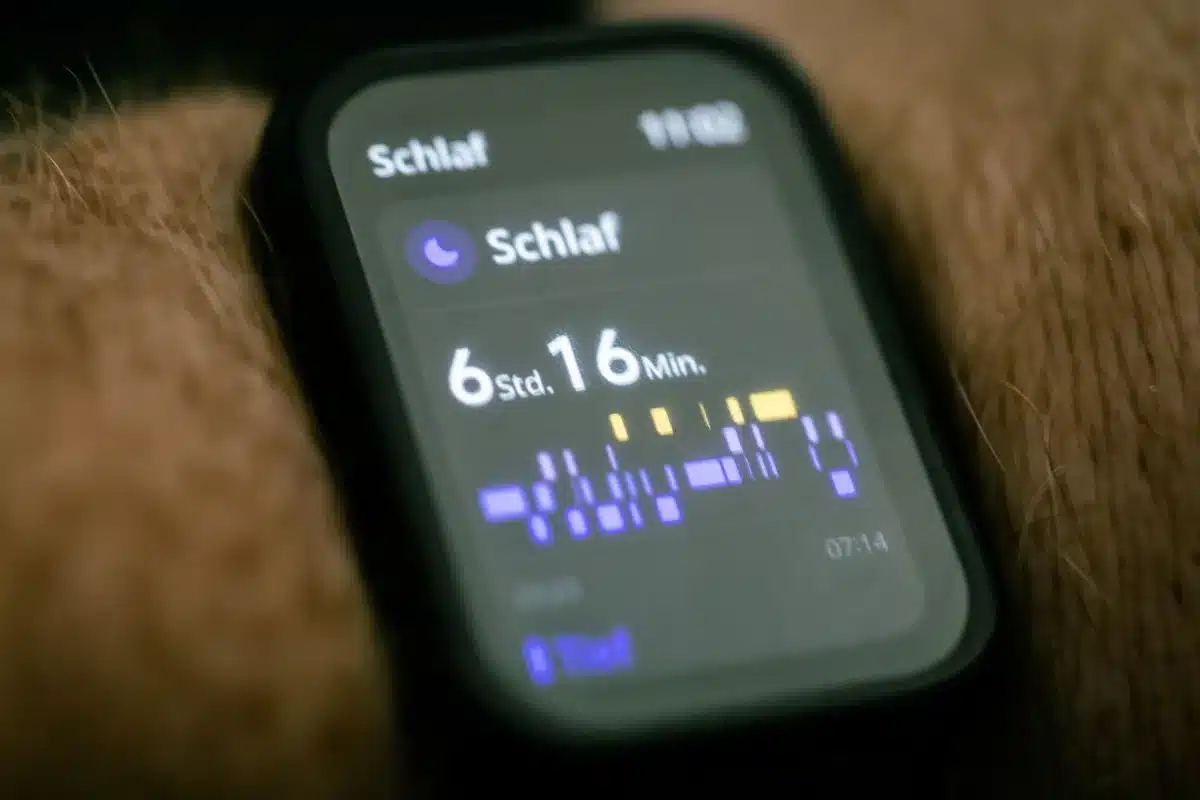
- Nightly sleep metrics improved as the system learned my patterns.
- Nutrition logging includes barcode scans and photo entry, plus macro breakdowns.
- Hydration tracking and timely Coach reminders helped curb late-night chugging.
That said, nap detection is inconsistent. The band often missed short naps or delayed showing them in the daily summary. When I asked Coach why, the AI guessed timing or a loose fit — explanations that didn’t match my experience.
When the tracker misses: cycling and stairs tracking problems
The Fitbit Air struggles with some everyday activities.
- Cycling detection: it only logged about three-quarters of my rides automatically.
- Built-in GPS is absent, so short errands by bike sometimes vanished from workout history.
- Stairs: the weekly report often showed zero floors climbed, even when I took many flights.
If you commute or train by bike, or if stair-climbing matters, expect to use manual session starts or accept incomplete data.
AI oddities and workout guidance inconsistencies
AI can be helpful, but not flawless.
- Occasional misclassification: light activity got logged as food intake.
- Workout videos and written cues didn’t always match the movement demonstrated.
- AI suggestions are useful, but not a substitute for medical advice.
These quirks are reminders that machine-driven coaching still needs human oversight.
Durability, style options, and band choices
After months of wear, the standard band showed almost no signs of wear.
The design is minimalist enough to look stylish in public. A few people I saw wearing the Air turned heads for the right reasons.
- Color options let you tailor the aesthetic.
- Google offers upgraded bands if you want a different look or feel.
Who should consider a screen-less fitness band?
Not everyone wants a display on their wrist. The Fitbit Air is for users who prefer less digital interruption.
- Ideal if you want daily health metrics without texts or notifications on your wrist.
- Great for sleepers who dislike bulky devices at night.
- Less suitable if you need accurate cycling GPS or stair counting.
- Also not ideal for people who reject AI-based coaching.
Price, subscription trade-offs, and overall cost
The Fitbit Air lists for about $99.99. Google Health Premium adds roughly $9.99 per month or $99.99 per year.
Considerations: the tracker itself is affordable. The full experience, with AI coaching and deeper insights, becomes costlier if you keep Premium.
Decide whether the coach’s tailored workouts and ongoing analytics are worth the yearly fee for your routine










