

Show summary Hide summary
- Why the Oura Ring 5 stands out: slimmer, smarter, sleeker
- What the ring actually measures: sensors and scores
- Automatic activity recognition that saves you time
- Design and durability: jewelry first, gadget second
- How the app turns raw data into useful guidance
- Privacy and pricing: what the subscription covers
- Pros and cons to consider before buying
- Real-world use: comfort, daily wear, and reliability
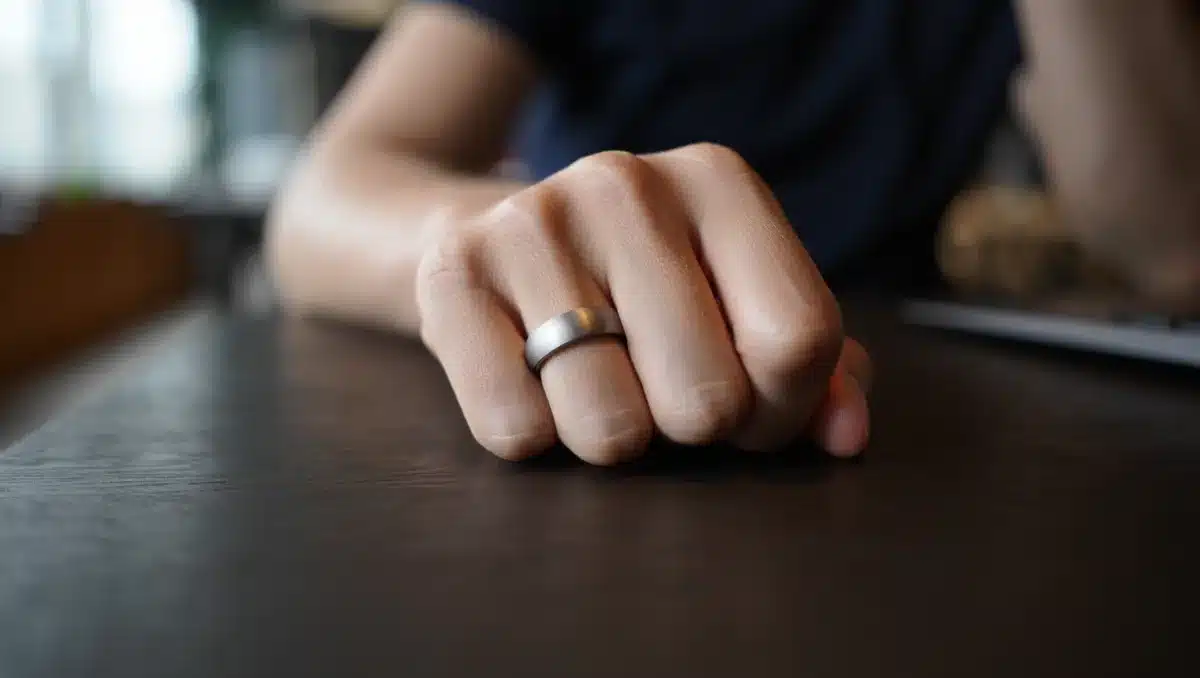
I care what I wear. If a gadget looks out of place at a dinner or a wedding, I won’t keep it on. The Oura Ring 5 changes that equation: it finally feels like a piece of jewelry that also doubles as a serious health tracker.
Why the Oura Ring 5 stands out: slimmer, smarter, sleeker
The most obvious change is size. Oura trimmed the ring by roughly 40 percent versus prior models. The slimmer profile sits closer to classic jewelry dimensions.
Nas slams music industry over disrespect: teases new music, vows to address it
1992 vocal performances: 3 jaw-dropping moments that still amaze
- Thickness: around 2.28mm.
- Width: about 6.09mm.
- Battery life: roughly one week on a charge despite the smaller chassis.
That reduction in bulk is more than cosmetic. It makes the device comfortable for continuous wear. Oura also introduced a new travel charging case to simplify recharging on trips.
What the ring actually measures: sensors and scores
The Oura Ring 5 packs optical sensors and algorithms that monitor multiple health signals. The company refined its sensor suite for better readings across skin tones and movement.
Key metrics collected
- Body temperature trends.
- Resting heart rate and heart rate variability.
- Blood oxygen (SpO2).
- Breathing irregularities and nighttime breathing patterns.
- Activity detection and movement intensity.
- Sleep stages and total sleep time.
- Menstrual cycle tracking and related patterns.
The ring synthesizes these inputs into a Readiness Score and other insights that suggest when to push training or prioritize recovery.
Automatic activity recognition that saves you time
Instead of manually starting workouts, the Oura Ring often auto-detects activity. It identifies sessions like walks, runs, strength training, and even swims.
- Detected workouts prompt a confirmation in the app.
- For outdoor routes, the app can display a map of your path.
- Activity summaries appear quickly after sessions, reducing friction.
This makes the ring feel less like a tracker and more like a passive assistant.
Design and durability: jewelry first, gadget second
Oura uses titanium finishes that mimic classic precious metals. The new gold tone reads lighter and more authentic than earlier generations.

The surface is noticeably resistant to scratches during daily use. After weeks of testing, the finish still looks refined, with only minor signs of wear on close inspection.
Comfort saw the biggest gain. The thinner band reduces pressure on joints and tolerates minor finger swelling. I wore the ring around the clock with no irritation.
One caution: heavy weightlifting and certain manual tasks can still cause scratches or, worse, ring-related injuries. Many experts recommend removing rings for intense gym sessions to avoid harm.
How the app turns raw data into useful guidance
The Oura app organizes metrics into clear sections and prioritizes readability. It loads quickly and keeps daily updates concise and actionable.
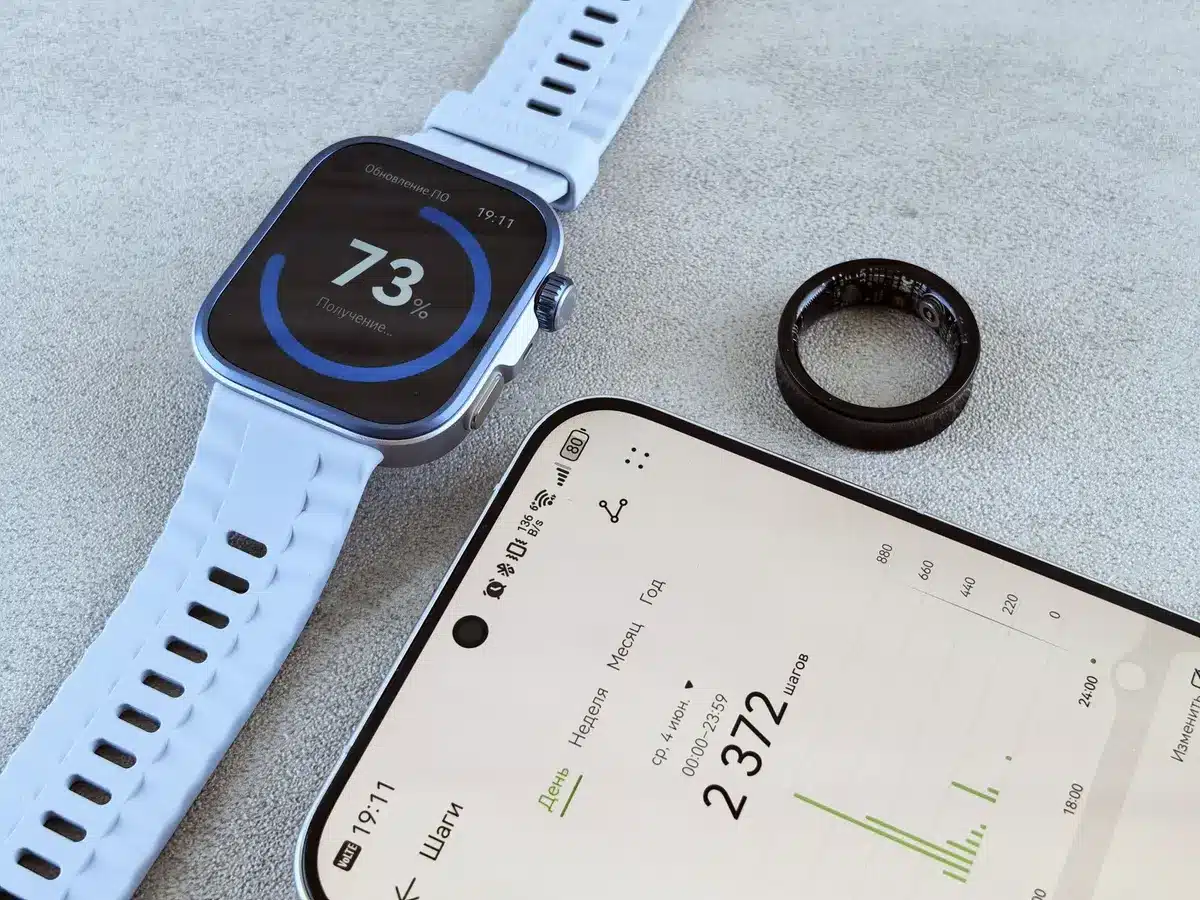
- Today: snapshot of sleep and activity with tips for the day.
- Vitals: near real-time physiological readings.
- My Health: long-term trends and historical charts.
Oura also added a Health Radar feature. It highlights short-term symptoms and longer-term trends, helping you spot deviations before they become patterns.
Privacy and pricing: what the subscription covers
The ring’s upfront cost starts around $399. On top of that, Oura requires a subscription: $5.99 per month or $69.99 per year.
The company says membership supports a business model that avoids selling user data. Oura pledges not to sell or rent member health information.
Still, Oura points out it generally isn’t a HIPAA-covered entity for its direct-to-consumer services. That distinction matters for users who treat health data privacy as paramount.
Pros and cons to consider before buying
- Pros: elegant design; one-week battery; accurate sleep and readiness insights; improved scratch resistance.
- Cons: additional subscription cost; not real precious metal finishes; some activities may still require removing the ring.
- Good for: people who want discreet health tracking and jewelry-style wearables.
- Less ideal for: users who object to recurring fees or those who need formal HIPAA protections.
Real-world use: comfort, daily wear, and reliability
In everyday life the ring disappears. It pairs easily with phones and keeps collecting data without frequent interactions.
Sleep tracking felt especially consistent. Nightly summaries and readiness guidance helped shape recovery choices after long travel or late nights.
When I tested outdoor sessions, the ring caught swims and walks that I hadn’t manually logged. That seamless detection reduces the habit of constantly recording activity.










