
Show summary Hide summary
- What changed in Beef Season 2: scale, stakes and setting
- Profiles and power dynamics: the main players
- How the story expands — and where it loses momentum
- Character writing: empathy, satire and occasional cruelty
- Where the season lives: places as characters
- Performances that anchor the chaos
- Visual choices, direction and the Seoul detour
- Key themes and what the season asks of viewers
- Watchability, who will like it, and where it trips up
Beef Season 2 lands with a bigger footprint than its debut, trading a tightly wound duel for an ensemble of rivalries, power plays and cultural friction. The show still revolves around the bitter collisions of people stuck in service roles amid luxury, but the scale, settings and cast upgrades steer the series into new territory — not always with clean results.
What changed in Beef Season 2: scale, stakes and setting
Creator Lee Sung Jin keeps the core idea intact: affluent spaces that reveal deeper failures. This season expands the scope in three clear ways.
Nas slams music industry over disrespect: teases new music, vows to address it
1992 vocal performances: 3 jaw-dropping moments that still amaze
- From two antagonists to two central couples.
- From Los Angeles neighborhoods to coastal enclaves like Montecito, Ojai and Oxnard.
- From a simmering personal feud to added corporate and international plotlines.
The result is an ambitious follow-up that sometimes feels crowded. New locales and a broader social canvas give the show fresh textures. They also diffuse the original’s laser focus.
Profiles and power dynamics: the main players
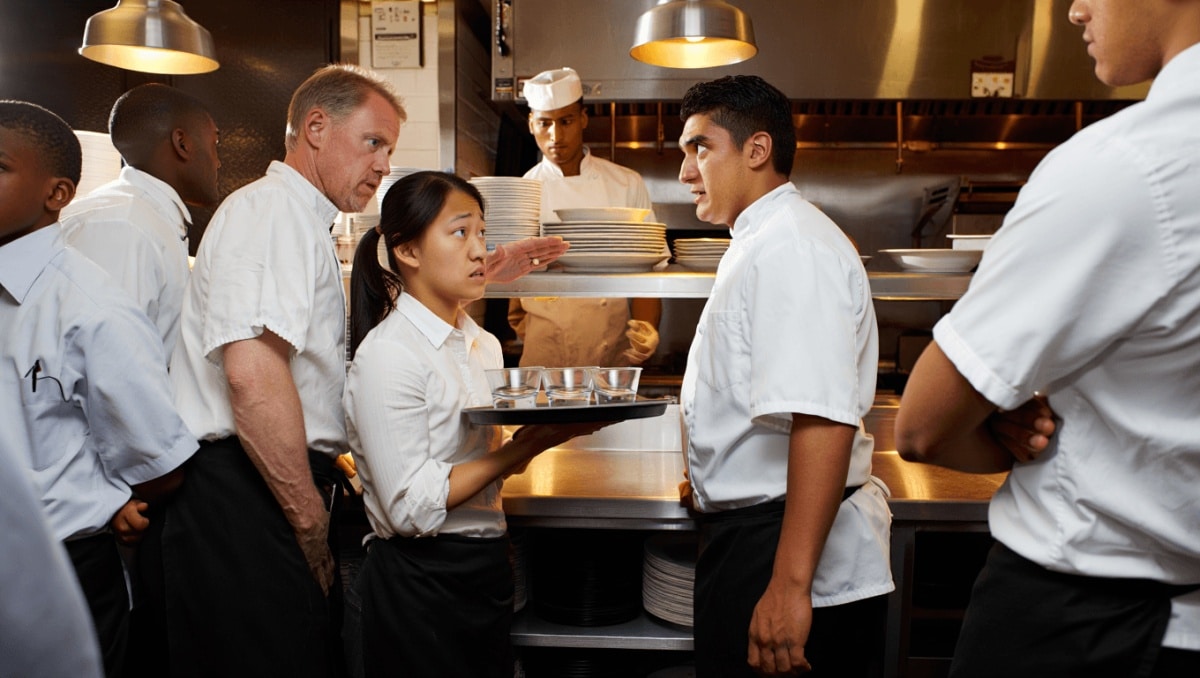
The series pivots around two pairs who collide at a beach club. Each couple represents a different generational struggle and social position.
- Josh and Lindsay (Oscar Isaac, Carey Mulligan): former creatives who now manage a Montecito club. Their marriage is held together by habit and a shared history.
- Austin and Ashley (Charles Melton, Cailee Spaeny): younger staffers with fragile ambitions. They attempt blackmail to speed their upward mobility.
- Chairwoman Park and Dr. Kim (Youn Yuh-Jung, Song Kang-ho): wealthy new owners with private crises that complicate the workplace.
The casting choices underscore the theme: seasoned film stars sit opposite newer breakout names. All four leads are also executive producers, signaling creative investment from the actors themselves.
How the story expands — and where it loses momentum
By doubling its personalities and adding a third narrative axis, the season complicates what was once a single, combustible relationship.
At first, Austin and Ashley’s extortion plot looks like the engine. The promise of a clear arc — revenge and exposure — appears in early episodes. Yet the series repeatedly diverts energy into side plots.
- The Park-Kim subplot introduces high-stakes medical and corporate intrigue.
- Trips to Seoul and final-act set pieces shift tone and geography.
- Smaller character beats get squeezed or abandoned midseason.
When the antagonism quiets, the season struggles to find a single voice. A finale can thrill on its own terms, but it sometimes feels detached from the build-up.
Structural misfires that affect pacing
The series alternates between character study and near-thriller. That flip works in moments, but too often the show juggles competing genres without fully committing to any.
Character writing: empathy, satire and occasional cruelty
Lee writes characters who are easy to scorn and hard to stop watching. He locates humor in humiliation and pathos in selfishness.
- Josh’s obsequious work behavior is played for uncomfortable laughs.
- Lindsay’s aesthetic pride masks deep dissatisfaction.
- Austin and Ashley are portrayed as anxious, sometimes foolish, survivors.
That depiction can veer into mean-spirited territory. The show lampoons youthful ignorance, but the satire often lands hardest on those with the least power.
Still, the writing allows room for sympathy. You can pity these characters even while you wince at their worst choices.
Where the season lives: places as characters
Geography plays a major role. Southern California towns become stand-ins for class tension and gentrification.
- Ojai functions as a sanitized hippie bubble where former cool curdles into privilege.
- Oxnard reflects the working-class pressures many service workers face.
- Montecito and Santa Barbara represent wealth that feels both alluring and unattainable.
The show hints at systemic issues — housing precarity, the gig economy, aging wealth — but often focuses more tightly on interpersonal humiliation than on sweeping social critique.
Performances that anchor the chaos
Acting is a consistent highlight. The cast delivers work that sells Lee’s dark comic tone.
- Isaac and Mulligan bring lived-in friction to a marriage that’s more resentment than romance.
- Melton and Spaeny portray young lovers whose anxieties read as both endearing and alarming.
- Youn Yuh-Jung and Song Kang-ho add texture in roles that could have been purely decorative.
No single actor steals the season. Instead, professionals elevate material that could have been swallowed by its own ambition.
Visual choices, direction and the Seoul detour
Cinematography and direction give the show polish. The series stages at least one standout set piece with real cinematic flair.
However, tonal jumps — from satirical workplace scenes to an international medical arc — can feel abrupt. The Seoul episodes introduce new stakes but don’t always integrate with earlier character work.
Key themes and what the season asks of viewers
Beef Season 2 returns to questions about envy, economic strain and intergenerational resentment.
- Can relationships survive shifting fortunes?
- Do older resentments naturally corrupt younger people?
- Is the franchise model a creative expansion or a dilution of a singular idea?
The season raises these through character collisions, but sometimes the moral point gets lost in subplots.
Watchability, who will like it, and where it trips up
If you enjoyed the first season’s tense one-on-one energy, expect something broader and less focused. The show remains bingeable thanks to strong performances and moments of sharp writing.
- Fans of dark comedies about class will find much to admire.
- Viewers seeking a tight revenge narrative may feel frustrated.
- Those interested in character-driven satire will appreciate the textures.
All eight episodes of Beef Season 2 are streaming on Netflix.










