
Show summary Hide summary
- Who the missing Tuskegee Airmen were and why their stories matter
- How Cheryl W. Thompson reconstructed vanished lives in “Forgotten Souls”
- Examples of discoveries and the human impact
- Why many Tuskegee airmen remain unlocated
- What the investigation means for families and history
- NPR’s coverage and how the audio story was produced
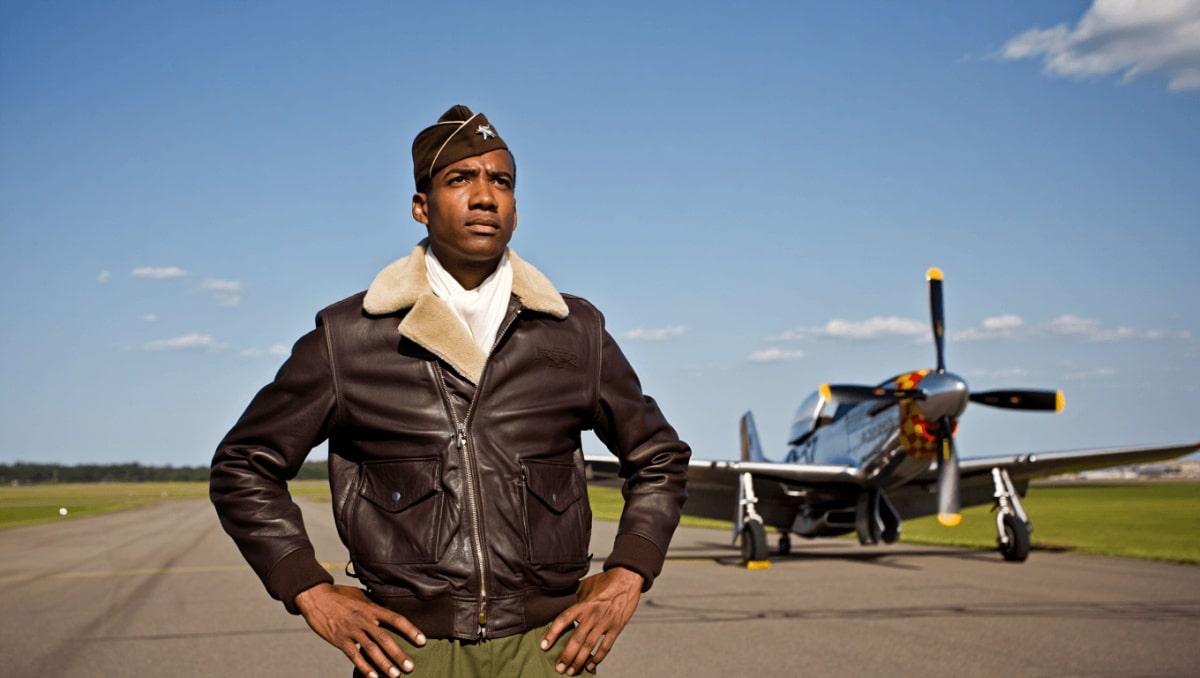
During World War II, a number of Black fighter pilots from the famed Tuskegee Airmen vanished during missions and never returned to their squadrons. Their fates remained unresolved for decades. In “Forgotten Souls,” investigative journalist Cheryl W. Thompson pieces together those disappearances, following archival trails, family memories, and military records to bring those lost airmen back into public view.
Who the missing Tuskegee Airmen were and why their stories matter
The pilots known as the Tuskegee Airmen broke barriers in a segregated military. When some went missing in action, their absence left families and units with questions. These cases reveal both wartime danger and gaps in how the military documented losses.
Nas slams music industry over disrespect: teases new music, vows to address it
1992 vocal performances: 3 jaw-dropping moments that still amaze
How Cheryl W. Thompson reconstructed vanished lives in “Forgotten Souls”
Thompson combines reporting and historical research to trace each disappearance. Her methods include:
- Examining military records and mission reports.
- Reviewing government archives and casualty logs.
- Interviewing relatives, veterans, and historians.
- Following tips and leads that had been overlooked.
Her approach blends investigative rigor with human storytelling, aiming to restore names and details to accounts that had grown silent.
Examples of discoveries and the human impact
The book surfaces painful and hopeful findings. In some cases, documentary evidence clarified when and where planes were lost. In others, families gained new context about final missions. Thompson’s reporting highlights:
- How records sometimes conflict, creating mysteries for researchers.
- Moments when descendants learned previously unknown facts.
- The emotional weight of unresolved loss across generations.
Why many Tuskegee airmen remain unlocated
Several factors help explain why remains and wreckage were never recovered:
- Combat conditions that scattered debris or sank aircraft at sea.
- Incomplete or damaged wartime records.
- Postwar priorities that left some search efforts unfinished.
- Geographic and logistical barriers to locating crash sites.
These obstacles make modern identification and recovery difficult, even with contemporary forensic tools.
What the investigation means for families and history
Revisiting these cases does more than solve puzzles. It offers recognition to service members overlooked by history. For relatives, the work can bring closure or new questions, and for historians, it fills gaps in the record of Black service in WWII.
NPR’s coverage and how the audio story was produced
The reporting was adapted for radio and digital listeners through a collaborative production team. Key roles included field and editorial producers, audio editors, and mastering engineers. The episode credits reflect a multi-person effort to shape the investigation for broadcast.
Ways listeners can follow up
- Read Cheryl W. Thompson’s book, “Forgotten Souls,” for full accounts.
- Contact the program with tips or family histories at TheSundayStory@npr.org.
- Find the audio version on popular podcast platforms, including Apple Podcasts and Spotify.










